


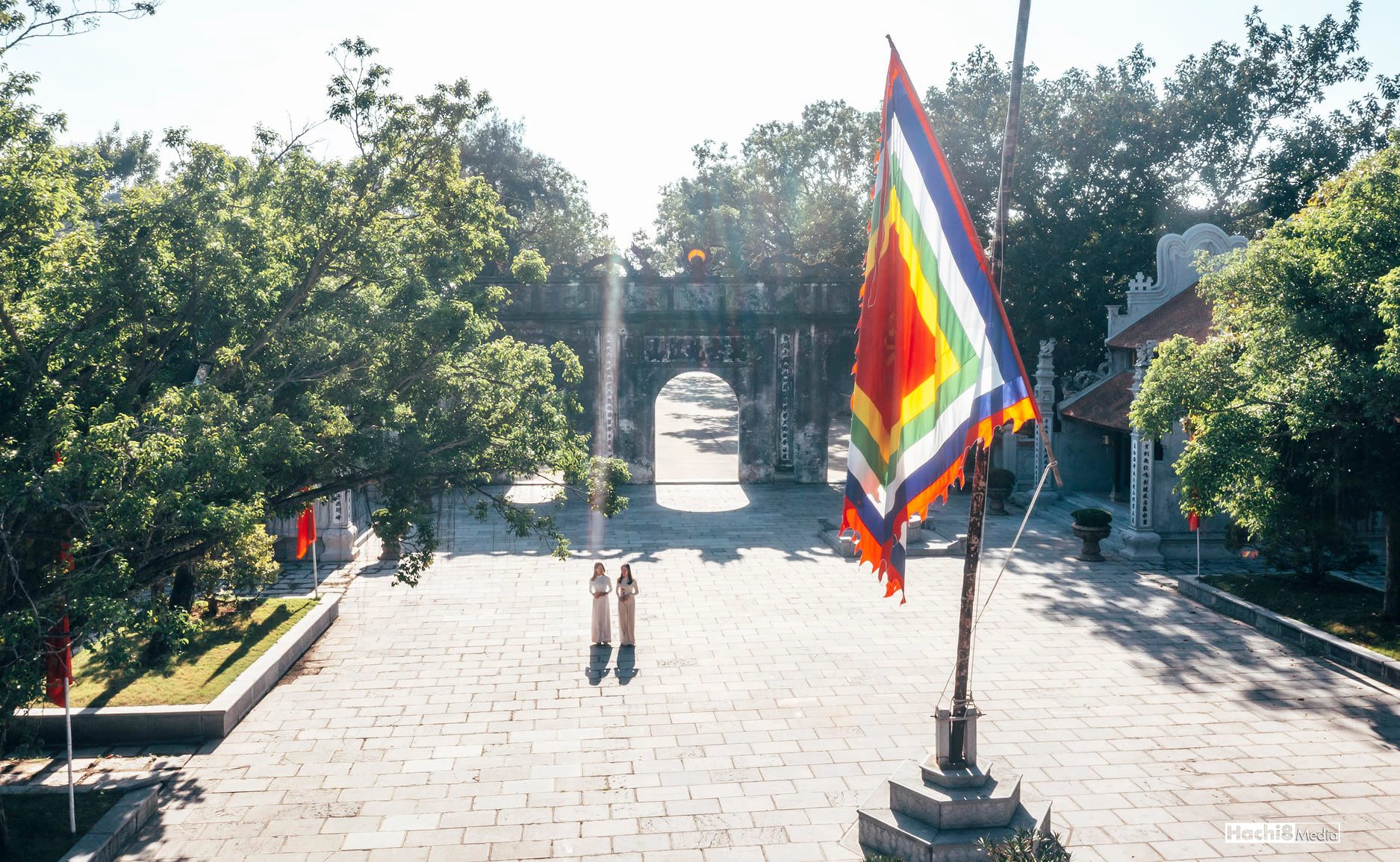
Through the gates of Con Son-Kiep Bac: a journey to the heart of Hai Duong’s historic and spiritual sanctuary
- Recommended months
- March – april and september – november Spring · Autumn
Why try it?
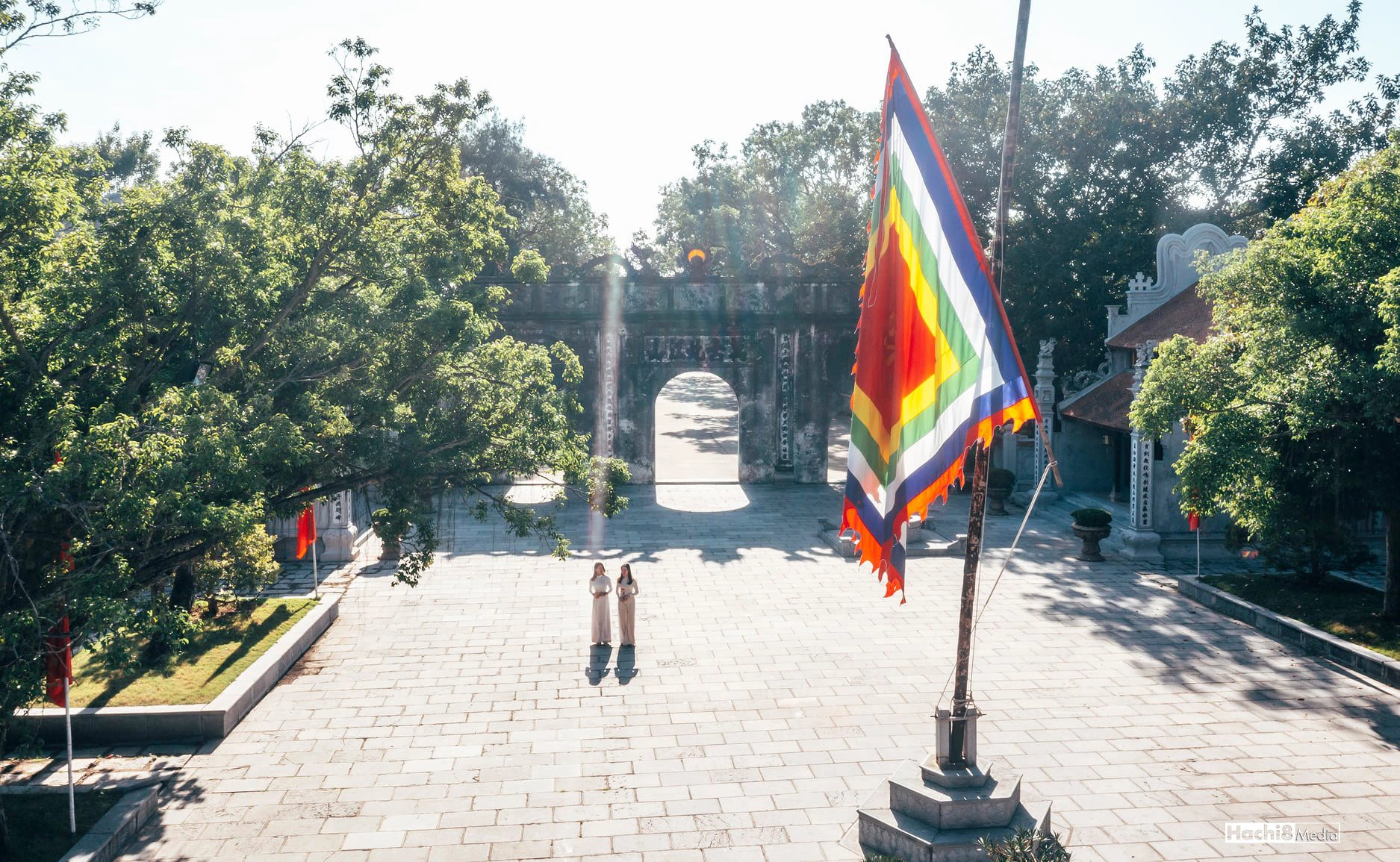
Photo: Ngo Huy Hoa
Located about 80 kilometres north-east of Hanoi, in Chi Linh district, the Con Son-Kiep Bac heritage complex is one of the most important cultural and spiritual centres of the Red River delta. Set in a zone of geographical transition where the rice-growing plains meet the foothills of the Phuong Hoang mountain range, this twin site is classified as a special national monument. It embodies both the cradle of Truc Lam Zen Buddhism and the military stronghold of the great victories against the Mongol invasions of the 13th century. For travellers exploring northern Vietnam, a stop in this part of Hai Duong province reveals a rare symbiosis between preserved forest and the memory of the country’s greatest scholars and national heroes.
Geographical location and getting there
The Con Son-Kiep Bac complex is easy to include by road in an itinerary from the capital or Ha Long Bay. The site is about two hours’ drive from Hanoi along National Highway 18, which links the capital with Quang Ninh province. For travellers using public transport, regular buses leave every day from My Dinh or Gia Lam bus stations for Chi Linh, where local taxis can then take you to the two sites, which are about five kilometres apart. Its proximity to the sacred site of Yen Tu also makes it possible to plan a complete pilgrimage centred on the history of the Tran dynasty.
Major sights and memorable experiences at Con Son-Kiep Bac
-

Con Son Pagoda. Photo: Le Tan -
Con Son Pagoda and the cradle of Zen Buddhism: Built in the 14th century at the foot of the sacred mountain, this ancient pagoda, also known as Hun, is one of the three major centres of the Truc Lam Buddhist school, co-founded by the monk-king Tran Nhan Tong. The complex features perfectly preserved classical religious architecture, with dark ironwood structures, inner courtyards paved with centuries-old bricks and richly carved sanctuaries.
-

The nine-tiered lotus tower of Con Son Pagoda. Photo: Lê Tân -
Exploring this sacred place, visitors discover the memory of the great scholar and strategist Nguyen Trai, who retired here to live as a hermit. The stone paths climbing behind the building lead to a crystal-clear stream and the famous hill of Ban Co Tien (the fairies’ chessboard), offering total immersion in the philosophy of spiritual retreat. Travellers can watch the quiet comings and goings of the monks in an atmosphere of absolute serenity, heightened by the shade of century-old pines and frangipani trees.
-

The temple complex lies in a valley surrounded on three sides by the Dragon mountain range. Photo: Le Tan -
Kiep Bac Temple and the memory of General Tran Hung Dao: Located about five kilometres from the pagoda, in a highly strategic valley facing the confluence of six rivers, this historic temple stands on the exact site of the former military base of Prince Tran Hung Dao, the national hero who repelled the Mongol invasions in the 13th century. The sanctuary is immediately striking for its imposing architecture, guarded by an immense monumental three-arched gate overlooking the river.
-

In front of Kiep Bac Temple. Photo: Lê Tân -
Inside the central pavilion, the main altars house majestic bronze statues of the general, his wife and his commanders-in-chief, surrounded by red and gold lacquer. The site is a unique cultural observatory for understanding the worship of deified heroes in Vietnam. Every day, visitors come to burn incense in honour of the military genius of the Tran dynasty, while the temple forecourt offers a magnificent panorama over the river landscape and the surrounding hills.
Climate patterns and the best season for your stay
Hai Duong’s climate is marked by the four distinct seasons of northern Vietnam, which greatly affect the visitor experience. The periods from September to November (autumn) and from March to April (spring) are the ideal time to plan a stay, with mild temperatures of between 20 and 26 degrees, low humidity and excellent visibility for forest walks. It is also in spring, just after Lunar New Year, that the site’s great spring festival takes place, attracting thousands of pilgrims for traditional processions. Conversely, the months from June to August are characterised by intense tropical heat and sudden rain that can make climbing the mountain paths uncomfortable.
The balance between forest and national memory
The Con Son-Kiep Bac complex draws its value from its ability to act as an open-air conservatory of the history and biodiversity of the Red River delta. Unlike other heavily urbanised historic sites, the area has benefited from strict protection of its pine forests and water sources, allowing travellers to enjoy a peaceful experience of discovery, far removed from the bustle of the city. The site is an essential cultural stop for visitors keen to understand the spiritual and military foundations of Vietnamese independence, while enjoying a wonderfully fresh natural setting.
Where: Hanoi
A thousand-year-old quarter on the shores of Hoan Kiem Lake
- HanoiPhường Hoàn Kiếm, Thành phố Hà Nội
- Nearest airport and stationNoi Bai International Airport (Hanoi), about 22 km · Hanoi Railway Station
- NearbyTam Dao, Ninh Binh, Mai Chau
Services in Hanoi
-
 Other tourism servicesHanoi
Phố Cổ Walks
Three hours on foot in the Old Quarter, in the morning, with a French-speaking guide. View the business profile
-
 Local agencies – DMCWhole country
Lotus d’Asie Voyages
Tailor-made trips for European travellers, with guides in all three regions. View the business profile
Itineraries passing through Hanoi
Itineraries that stop in Hanoi, focusing on a single region or crossing all three.
-
 30 days
Cruises and a long relaxing stay
A cruise in the bay and seaside resorts. View details → -
 30 days
Vietnam in retirement
A gentle itinerary, with enough rest to savour each region. View details → -
 30 days
Off the beaten track: Ha Giang, Cao Bang
Stone roads and villages where few travellers set foot. View details → -
 20 days
Honeymoon: Ha Long – Hoi An – Con Dao
A limestone bay, an old town and a peaceful island, for two. View details →
Related stories
-
 Story Hanoi
The craft of making lotus-scented tea, national intangible cultural heritage
A true symbol of the art of living in the thousand-year-old capital, the traditional making of Tây Hồ lotus-scented tea has just been officially… Read the story -
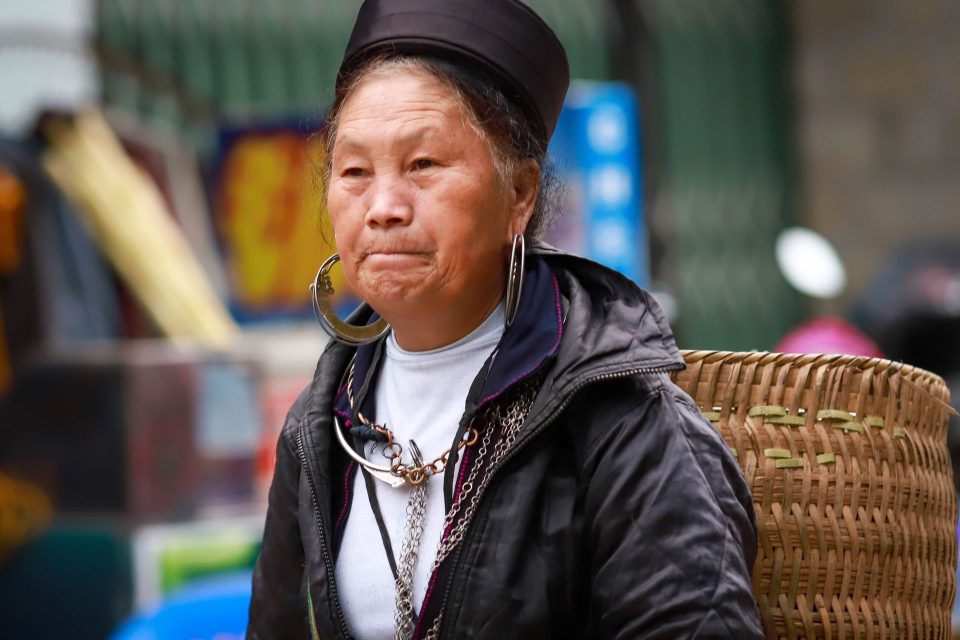 Report Ha Giang
The costumes of the Red Dao: between aesthetics, creativity and heritage
The Red Dao are part of the Dao ethnic group, one of Vietnam's 53 ethnic minorities. They live mainly in the mountainous northern provinces… Read the report -
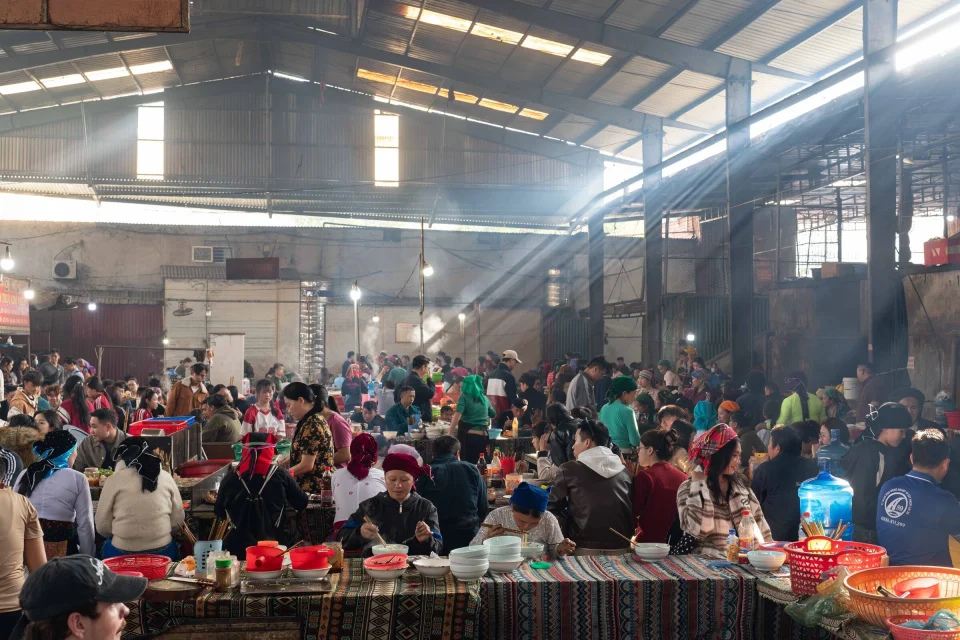 Report Ha Giang
Going to Mèo Vac to immerse yourself in the culture of the North-West
Nestled in the heart of the famous Đồng Văn limestone plateau, in Hà Giang province in the far north of Vietnam, Mèo Vạc district… Read the report
Similar experiences
-
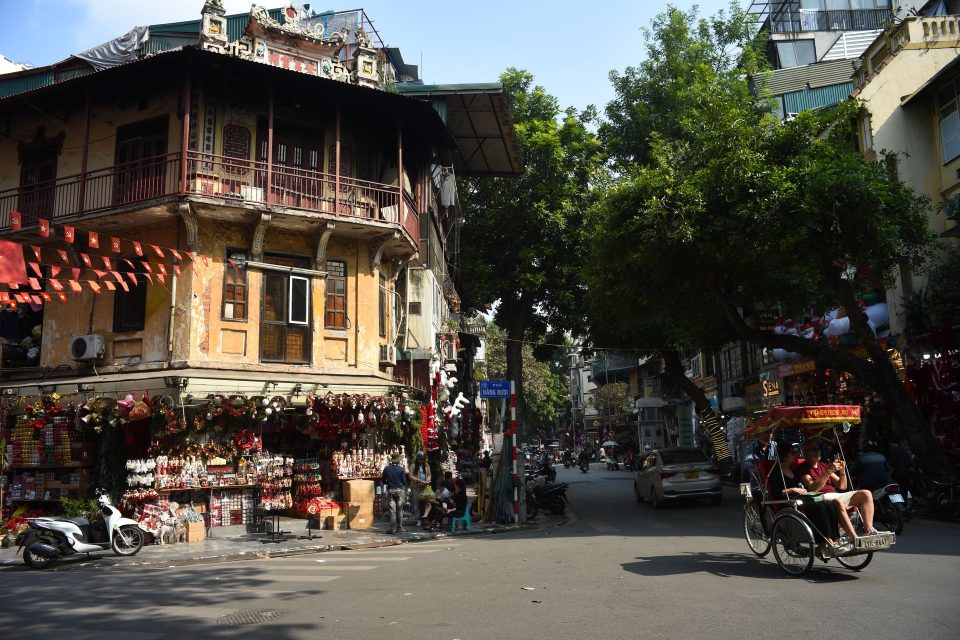 Hanoi
Why is Hanoi’s Old Quarter so unique?
Also known by its historic name of the “36 guilds quarter” (36 phố phường), Hanoi's Old Quarter is the beating economic and cultural heart… View the experience -
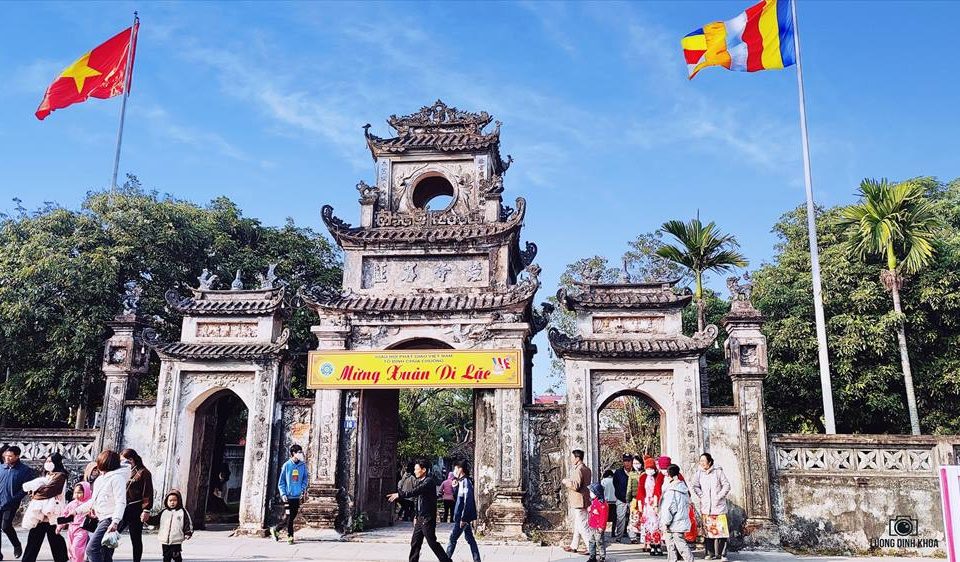 Hanoi
The stones of Pho Hien: when Tonkin architecture tells of centuries of international trade
Located on the left bank of the Red River, about 60 kilometres south-east of the capital Hanoi, the city of Hung Yen is home… View the experience -
 Hanoi
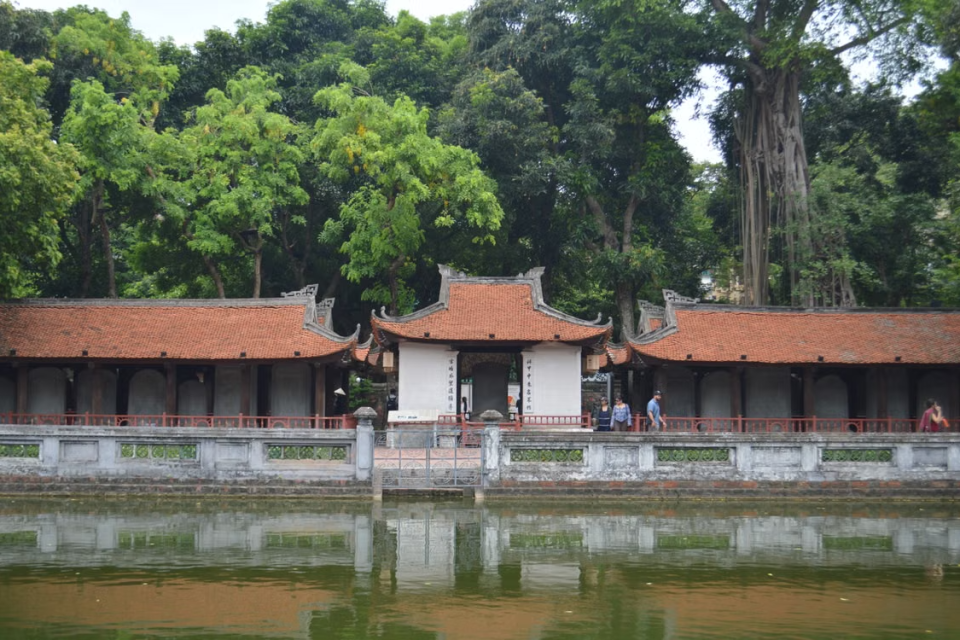
The Temple of Literature in Hanoi: the preserved harmony of stone, wood and knowledge
Founded in 1070, the Temple of Literature (Văn Miếu - Quốc Tử Giám) is one of the most visited historic complexes in Hanoi. Located… View the experience