

The stones of Pho Hien: when Tonkin architecture tells of centuries of international trade
- Recommended months
- March – april and september – november Spring · Autumn
Why try it?
Located on the left bank of the Red River, about 60 kilometres south-east of the capital Hanoi, the city of Hung Yen is home to the remains of Phố Hiến, a former maritime trading post of major importance in South-East Asia. Developed from the 10th century onwards and reaching its economic peak in the 17th and 18th centuries, this port hub was the second urban centre of the north of the country, just after Thang Long (Hanoi), as the popular historical saying celebrating the primacy of the capital and the central place of this trading port bears witness. Its geographical setting, once connected to the great international maritime routes before the river naturally shifted its course, made it an obligatory port of call for foreign merchant ships. For travellers keen to understand the commercial dynamics and cultural blending of the Vietnam of old, this urban area offers a factual immersion at the heart of a unique architectural heritage.
Geographical location and getting there
Phố Hiến can easily be included in a cultural itinerary through the Red River Delta from the central hub of Hanoi. The site, now part of the urban fabric of the modern city of Hung Yen, can be reached in less than an hour and a half via National Route 5 or the provincial roads that run along the river dykes. Scheduled bus services and private vehicle connections are frequent and smooth. Phố Hiến’s location, at the junction of the provinces of Hai Duong, Thai Binh and Ha Nam, allows travellers to design themed tours focused on traditional architecture and the river history of Tonkin without long travel times.
The main sights and memorable experiences in Phố Hiến
The historic area of Phố Hiến brings together outstanding religious and civil buildings that bear witness to the fusion of local and international architectural styles.
The cultural harmony of the Chu Dong Tu temple and the Mau complex

Entrance gate to the Mau Temple heritage site. Photo: Minh Hai
The temple dedicated to the Mother Goddess (Chùa Mẫu), set against the Half-Moon Lake (Hồ Bán Nguyệt), is one of the most visited spiritual centres in the city. Here, travellers can observe architecture typical of the northern delta, characterised by glazed-tile roofs with delicate curves and centuries-old trees whose roots entwine the brick walls. Nearby, the shrines dedicated to the worship of river spirits recall the importance of water in the lives of the merchants of the time, who came here to pray for the safety of their cargoes before heading up the currents of the Red River.
The architectural alignment and statuary of Chuong Pagoda

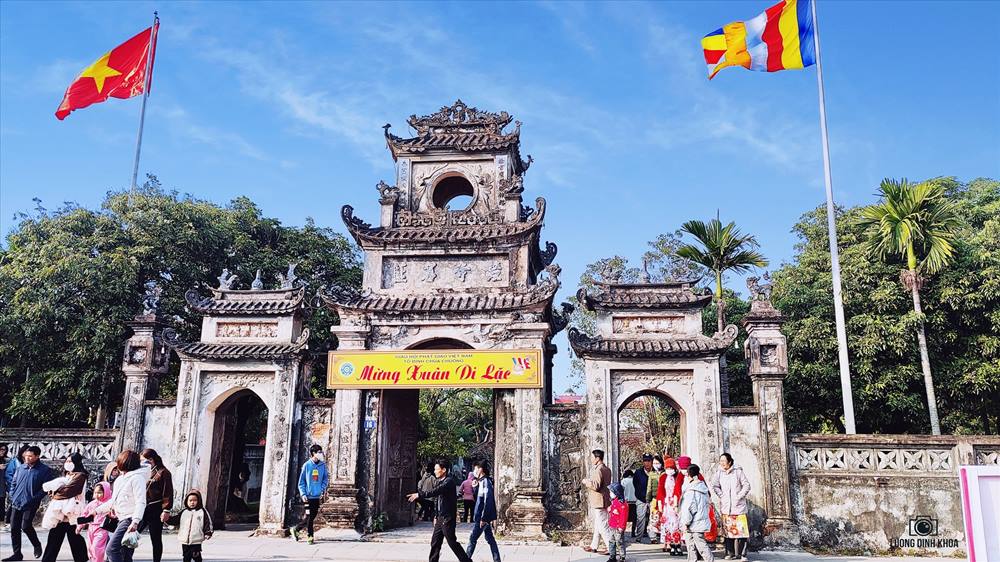
The gate of Chuong Pagoda – one of the famous heritage sites of old Pho Hien. Photo: Luong Dinh Khoa
Historically regarded as the most beautiful and majestic pagoda of the ancient city of Phố Hiến (better known by the honorary title of Phố Hiến đệ nhất danh lam), Chuong Pagoda – or Kim Chung Tự – embodies the rigour and religious devotion of the northern delta. Founded under the Later Lê dynasty, its architecture follows a perfect axis of symmetry that guides visitors through a succession of three-arched gates (Tam quan), stone bridges spanning lotus ponds and courtyards paved with old bricks.

The bell tower, which houses the bronze bell. Photo: Hoang Giang
The site owes its international renown to its exceptional collection of glazed clay statues dating from the 18th and 19th centuries, including the famous depictions of the ten kings of hell (Thập điện Diêm Vương) and the eighteen celestial officials (La Hán). Each figure displays strikingly realistic facial expressions and postures, testifying to the refinement of Tonkin’s sculptors and offering travellers a unique vantage point for understanding the moral and spiritual concepts of Vietnamese popular Buddhism.
The Van Mieu sanctuary of Hung Yen and the memory of the scholars

Photo: Mai Huong
Built in the 17th century to honour the memory of Confucius and of the local laureates of the mandarin examinations, the Temple of Literature of Hung Yen (Văn Miếu Hưng Yên) embodies the intellectual importance of the region. The site stands out for its Constellation of Literature Pavilion (Khuê Văn Các) and its rows of stone steles borne by turtles, engraved with the names of the province’s scholars. A visit to this large complex, spared by the upheavals of modern times, lets you appreciate the rigour of classical Confucian architecture and the serenity of its inner courtyards planted with frangipani trees.
Climate and the best time to visit
Phố Hiến’s climate follows the rhythm of the four seasons of northern Vietnam, changing the atmosphere of visits and the look of the surrounding rural landscapes. The period from November to April is the cool, dry season, with average temperatures ranging between 16 and 22 degrees. This is the ideal time for walking between the various temples and discovering the craft villages, as the grey winter sky gives the old brick walls a much-loved melancholy patina. Summer, from May to October, brings hot temperatures that can exceed 33 degrees and regular rain, but this season also coincides with the longan harvest (July and August), when the city’s markets come alive with intense trading activity.
The balance of an old merchant city in the face of modernity
Phố Hiến draws its contemporary value from its ability to preserve the traces of its cosmopolitan past within a province now focused on industrial and agricultural development. The concentration of buildings listed as national heritage makes it possible to maintain a strict historic protection zone around the old port basins and religious buildings. This destination is an essential stop for travellers keen to explore the forgotten maritime history of northern Vietnam, offering a perfect balance between architectural study and the contemplation of a peaceful provincial way of life, inherited from centuries of international exchange.
Where: Hanoi
A thousand-year-old quarter on the shores of Hoan Kiem Lake
- HanoiPhường Hoàn Kiếm, Thành phố Hà Nội
- Nearest airport and stationNoi Bai International Airport (Hanoi), about 22 km · Hanoi Railway Station
- NearbyTam Dao, Ninh Binh, Mai Chau
Services in Hanoi
-
 Other tourism servicesHanoi
Phố Cổ Walks
Three hours on foot in the Old Quarter, in the morning, with a French-speaking guide. View the business profile
-
 Local agencies – DMCWhole country
Lotus d’Asie Voyages
Tailor-made trips for European travellers, with guides in all three regions. View the business profile
Itineraries passing through Hanoi
Itineraries that stop in Hanoi, focusing on a single region or crossing all three.
-
 30 days
Cruises and a long relaxing stay
A cruise in the bay and seaside resorts. View details → -
 30 days
Vietnam in retirement
A gentle itinerary, with enough rest to savour each region. View details → -
 30 days
Off the beaten track: Ha Giang, Cao Bang
Stone roads and villages where few travellers set foot. View details → -
 20 days
Honeymoon: Ha Long – Hoi An – Con Dao
A limestone bay, an old town and a peaceful island, for two. View details →
Related stories
-
 Story Hanoi
The craft of making lotus-scented tea, national intangible cultural heritage
A true symbol of the art of living in the thousand-year-old capital, the traditional making of Tây Hồ lotus-scented tea has just been officially… Read the story -
 Report Ha Giang
The costumes of the Red Dao: between aesthetics, creativity and heritage
The Red Dao are part of the Dao ethnic group, one of Vietnam's 53 ethnic minorities. They live mainly in the mountainous northern provinces… Read the report -
 Report Ha Giang
Going to Mèo Vac to immerse yourself in the culture of the North-West
Nestled in the heart of the famous Đồng Văn limestone plateau, in Hà Giang province in the far north of Vietnam, Mèo Vạc district… Read the report
Similar experiences
-
 Hanoi
Why is Hanoi’s Old Quarter so unique?
Also known by its historic name of the “36 guilds quarter” (36 phố phường), Hanoi's Old Quarter is the beating economic and cultural heart… View the experience -
 Hanoi
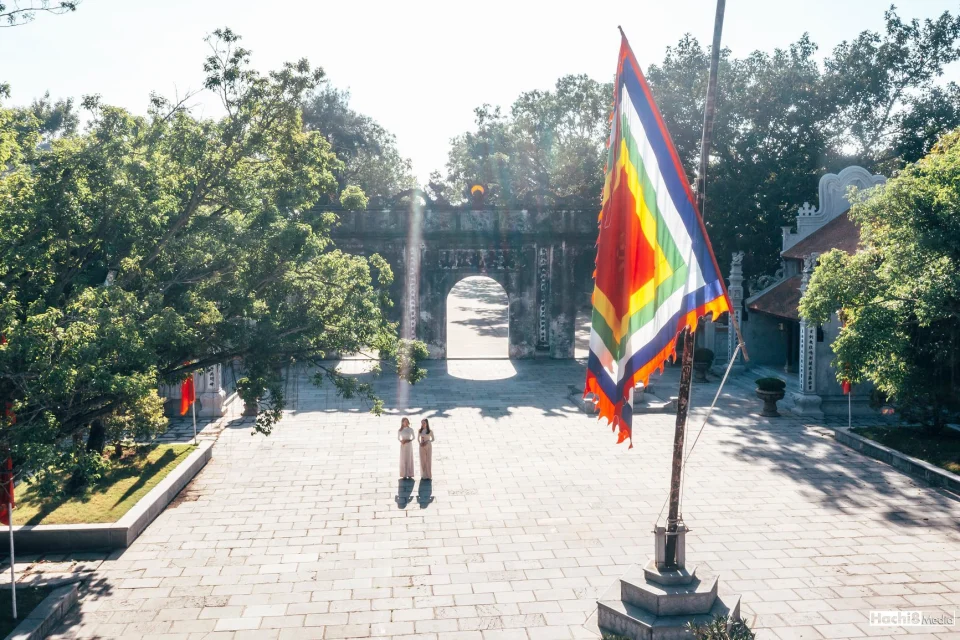
Through the gates of Con Son-Kiep Bac: a journey to the heart of Hai Duong’s historic and spiritual sanctuary
Photo: Ngo Huy Hoa Located about 80 kilometres north-east of Hanoi, in Chi Linh district, the Con Son-Kiep Bac heritage complex is one of… View the experience -
 Hanoi
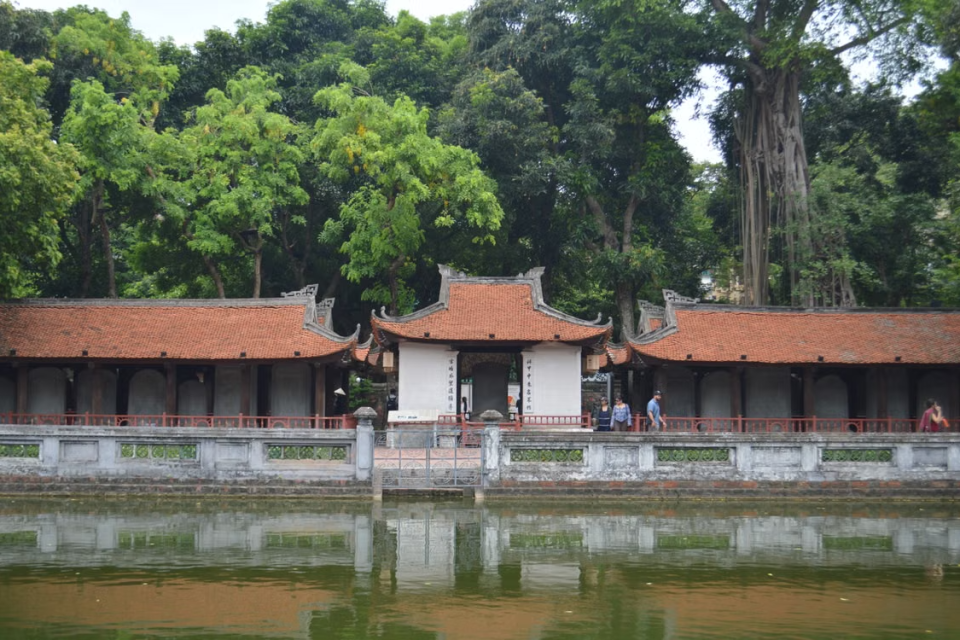
The Temple of Literature in Hanoi: the preserved harmony of stone, wood and knowledge
Founded in 1070, the Temple of Literature (Văn Miếu - Quốc Tử Giám) is one of the most visited historic complexes in Hanoi. Located… View the experience