

Language and Communication in Vietnam

The president of Nvidia Corporation having a drink in Vietnam
(Photo: Dân Trí)
Although Vietnamese is the official language spoken throughout the country, many Vietnamese people speak and understand English, particularly in Hanoi, Ho Chi Minh City and the main tourist areas. As Vietnam attracts many European and Asian travellers, local people’s language skills often include other languages to varying degrees. Vietnamese itself is a challenge to master, but locals are delighted to help foreigners learn a few words to make getting around easier. However, English remains the common currency for cross-cultural conversations.
Thanks to the large flow of visitors, Vietnam’s communication system has many features that make it very accessible to foreigners. As far as phones are concerned, you can get a Vietnamese SIM card at every international airport. Post offices and phone shops are everywhere. The Vietnamese communication network is modern, fast and convenient.
THE VIETNAMESE LANGUAGE
While Vietnamese is the official language, you could say that English is its unofficial second language. With the growth in tourist and business travel, English has naturally become the common linguistic “currency”. As a result, urban centres that receive many foreigners, such as Hanoi, Ho Chi Minh City, Da Nang and islands like Phu Quoc, have many people who speak both languages very well.
That said, visitors may find Vietnamese difficult to learn because it is very different from Western languages. It is a tonal language with six different tones: each tone radically changes the meaning of a word. Visitors unused to tonal languages often struggle with pronunciation at first, but with practice they find that Vietnamese people love helping them perfect their accent.
Written Vietnamese uses the Latin alphabet (Chữ Quốc Ngữ), which is a huge advantage for travellers compared with character-based scripts. However, reading can be tricky because of the many diacritics (accents) on the vowels. Fortunately, road signs are written in Latin characters, and many tourist areas offer menus and literature in several languages. One peculiarity of Vietnamese is that the transliteration of place names can vary, although the use of official names in Latin characters is now highly standardised. In addition to the Northern dialect (Hanoi), there are Central and Southern (Saigon) dialects, but they all use the same alphabet and are mutually intelligible.
VIETNAM’S COMMUNICATION NETWORK
Vietnam’s communication network is one of the most efficient in Southeast Asia. Free Wi-Fi is available almost everywhere (cafés, hotels, restaurants) and the 4G/5G network covers almost the entire country, from the mountains of the North to remote islands.
Telephones (phones in Vietnam)
The system is modern and widespread. Buying a SIM card is extremely cheap and easy. Internet messaging apps (Zalo, WhatsApp, Messenger) are the preferred means of communication.
-
International dialling code: The code for calling Vietnam from abroad is +84. To call abroad from Vietnam, you usually dial 00 followed by the country code.
-
Local numbers: Numbers often start with 0. When calling from abroad, you replace the initial 0 with +84. For example, a number starting with 090… becomes +84 90…
-
Emergencies: Emergency numbers are short, such as 113 (Police) or 115 (Ambulance).
Mobile phones (SIM and network)
Mobile coverage in Vietnam is exceptional. Almost all foreign phones work in Vietnam if they are unlocked. You can buy a prepaid SIM card for a few euros directly at the airport or in shops in town (Viettel, Vinaphone, Mobifone). These cards usually include very generous data allowances. You can top up your credit easily with scratch cards available in any convenience store (such as WinMart or Circle K) or via mobile apps.
Internet and Wi-Fi
Vietnam is one of the most connected countries. Wi-Fi is considered a free basic service in almost every establishment. Connection speeds are generally very high, so you can stay in touch with loved ones or work remotely with complete peace of mind.
Good to know
-
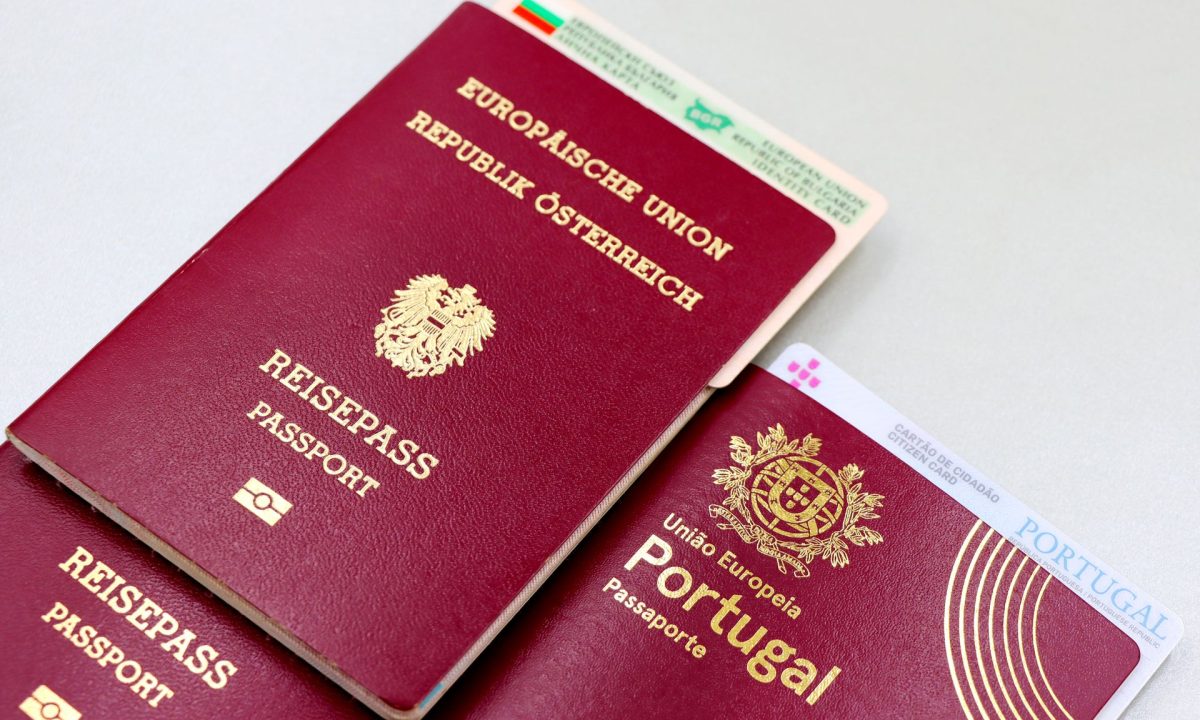 Visa
Do I need a visa?
Vietnam issues e-visas to nationals of many European countries. The conditions, the permitted length of stay and the open entry points change regularly. Read the guide -
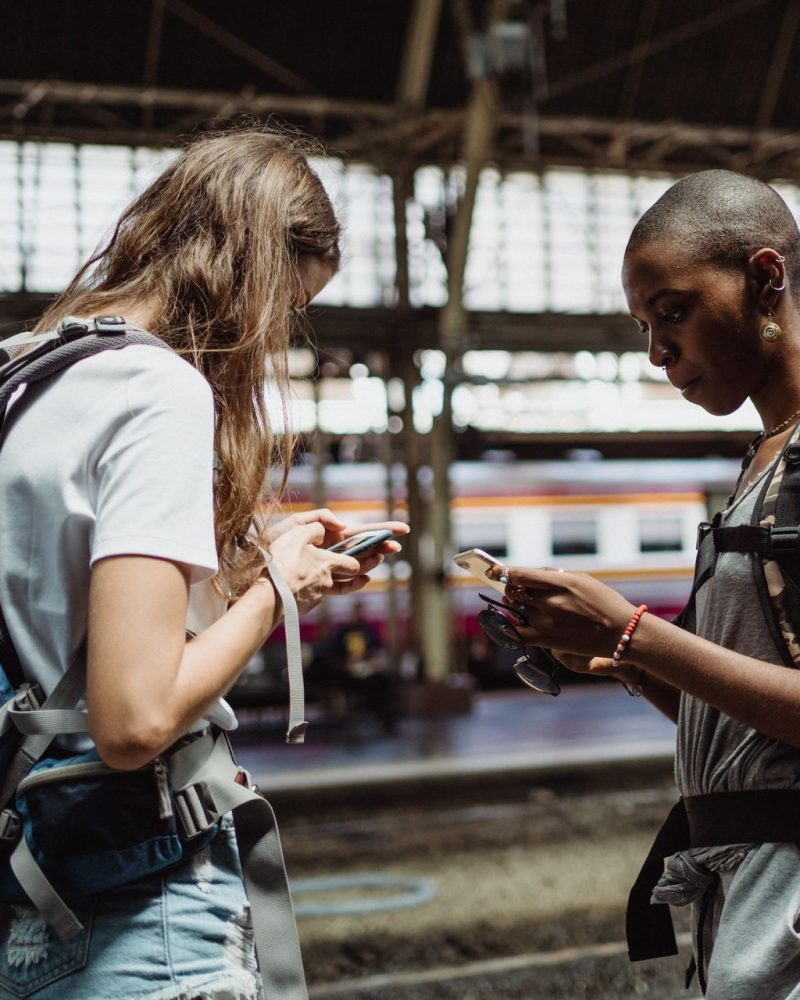 Communication
Phone and internet: how does it work?
Tourist SIM cards and eSIMs can be bought as soon as you land at the airport, simply by showing your passport. 4G covers all three regions; hotels and cafés all have Wi-Fi. Read the guide -
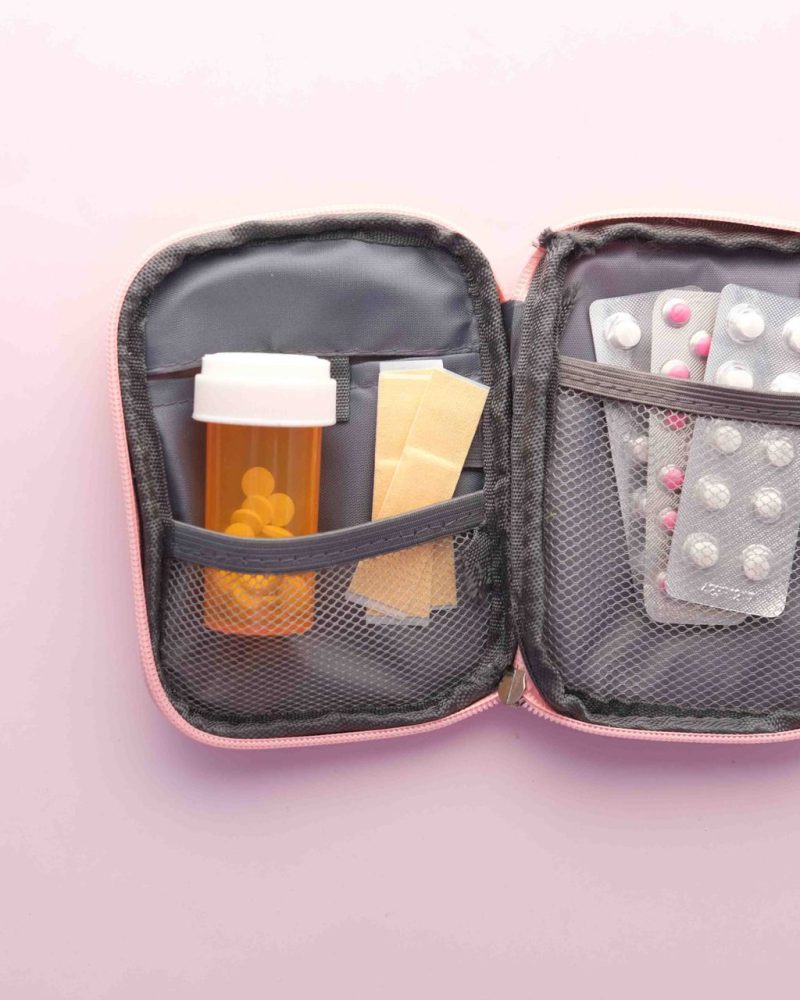 Health
Do I need vaccinations?
No vaccinations are compulsory for travellers coming from Europe. Take out travel insurance covering medical expenses and pack mosquito repellent for the forest and the Mekong Delta. Read the guide -
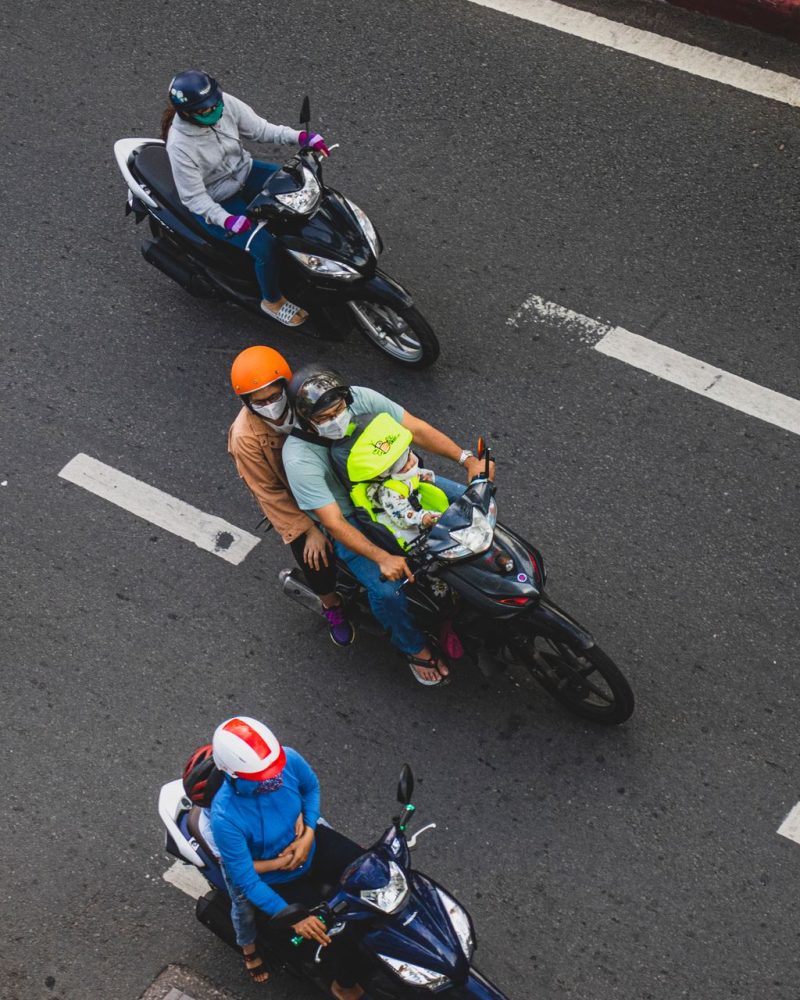 On the street
How do you cross the street through the motorbikes?
Walk slowly and at a steady pace, without stopping suddenly or stepping back: the riders will steer around you. Read the guide -
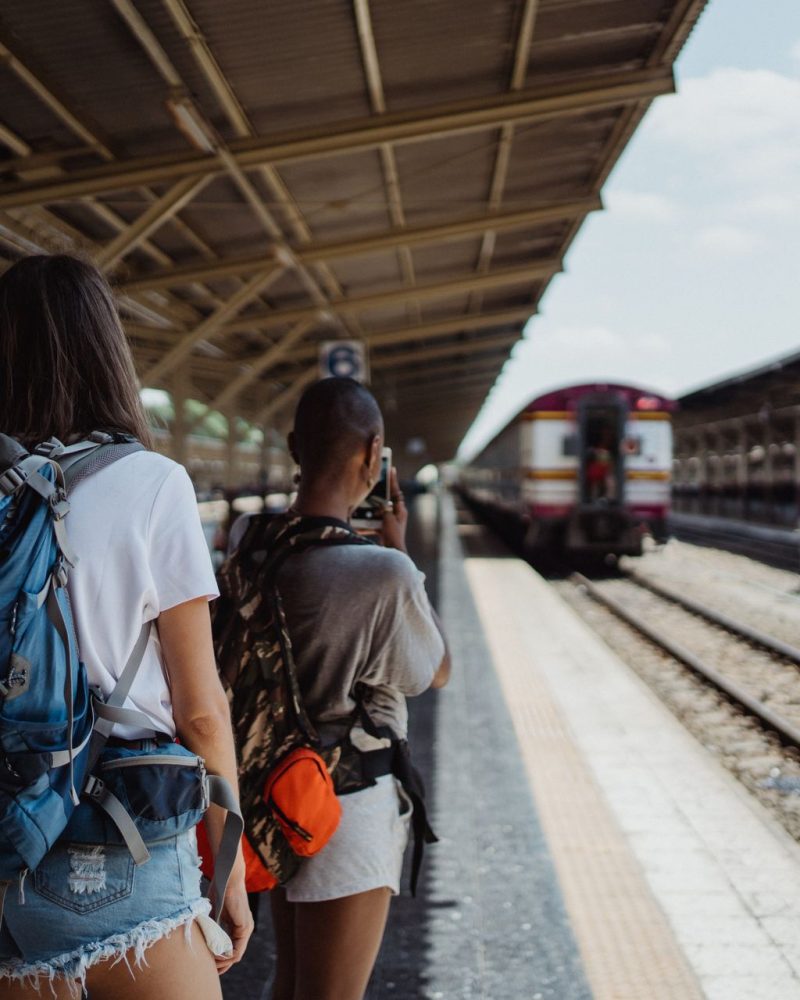 Safety
How do I keep my belongings and documents safe?
Leave your passport in the hotel safe and carry a copy with you; in markets and busy streets, wear your bag in front of you. Read the guide -
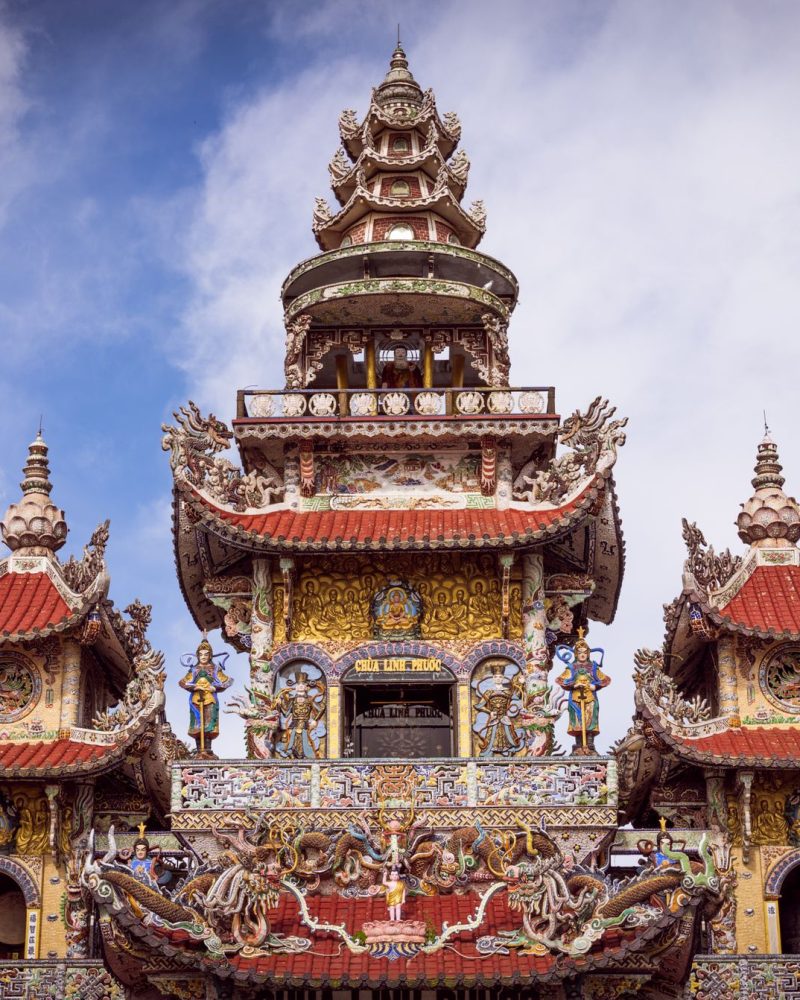 Etiquette
Pagodas and temples: what should you know?
Cover your shoulders and knees, take off your shoes before entering the sanctuary, speak quietly and ask permission before photographing local people. Read the guide -
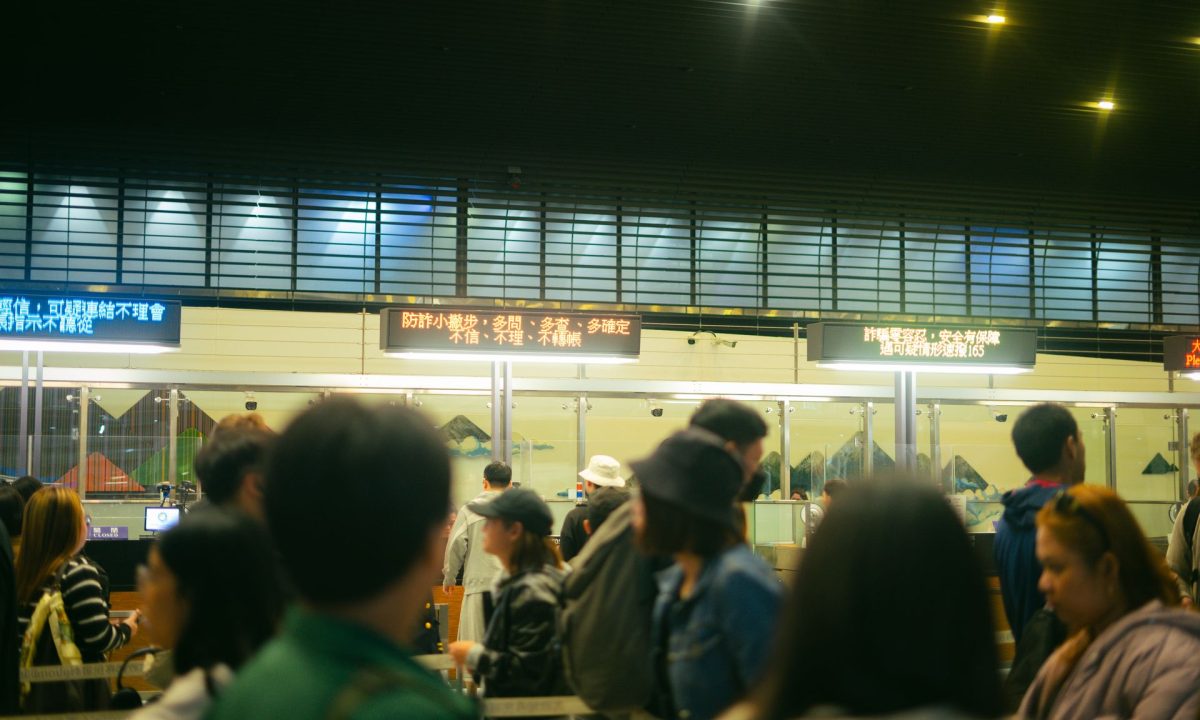
NEW PRE-ARRIVAL IMMIGRATION PROCEDURE FOR FOREIGN VISITORS – FROM 15 APRIL 2026
From 15 April 2026, the electronic pre-entry declaration system is being rolled out simultaneously at Vietnam's main international airports. This regulation helps to streamline… Read the guide -
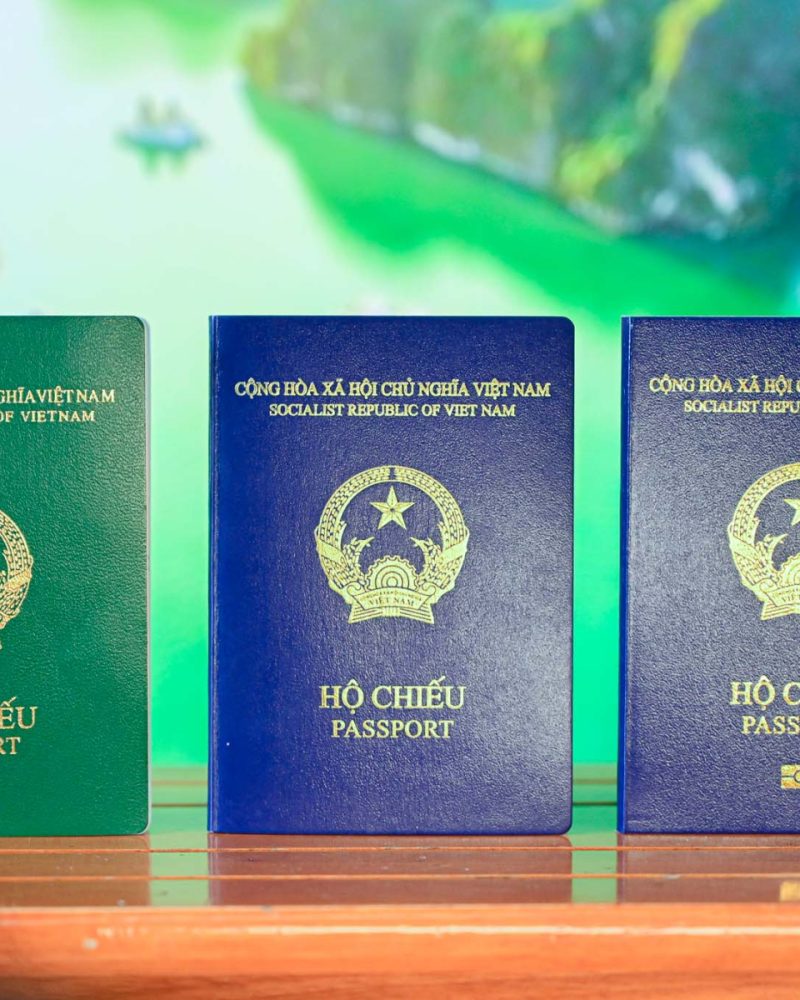
Passport and Visa for Vietnam
(Source: Nam Air) 1. Passport To enter Vietnam, your passport must meet the following conditions: Validity: The passport must be valid for at least… Read the guide -
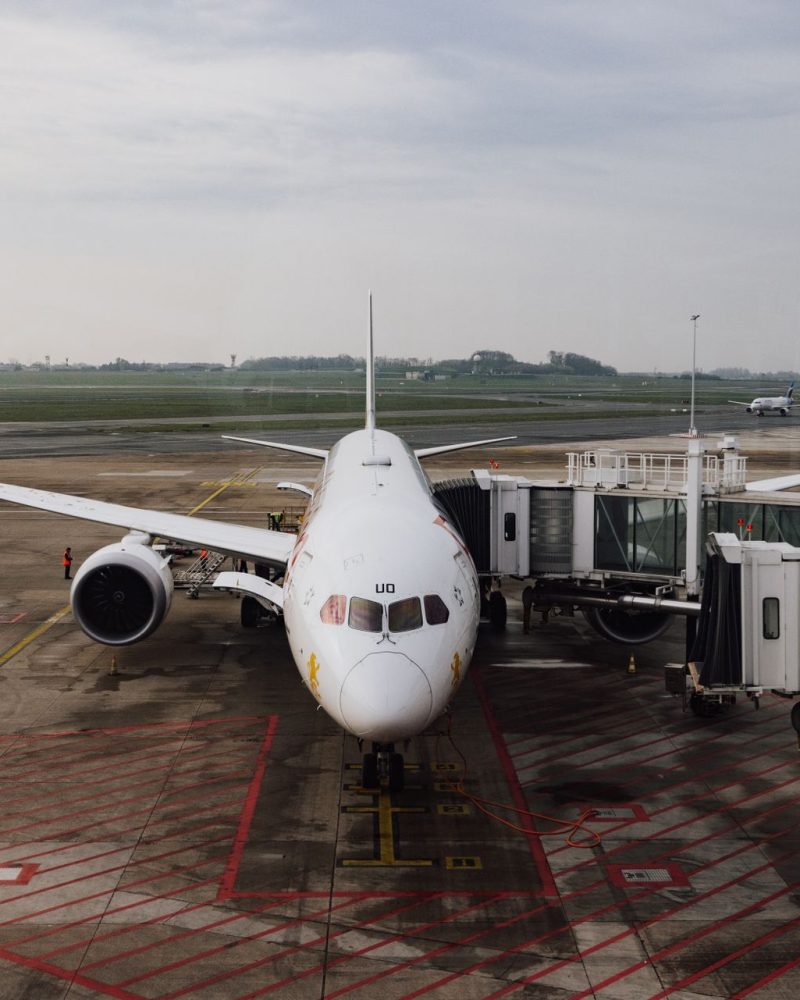
Customs and Immigration in Vietnam
Foreign visitors complete entry procedures at Noi Bai International Airport (Photo: Giang Huy) 1. Immigration procedures Since April 2026, Vietnam has modernised its procedures… Read the guide -
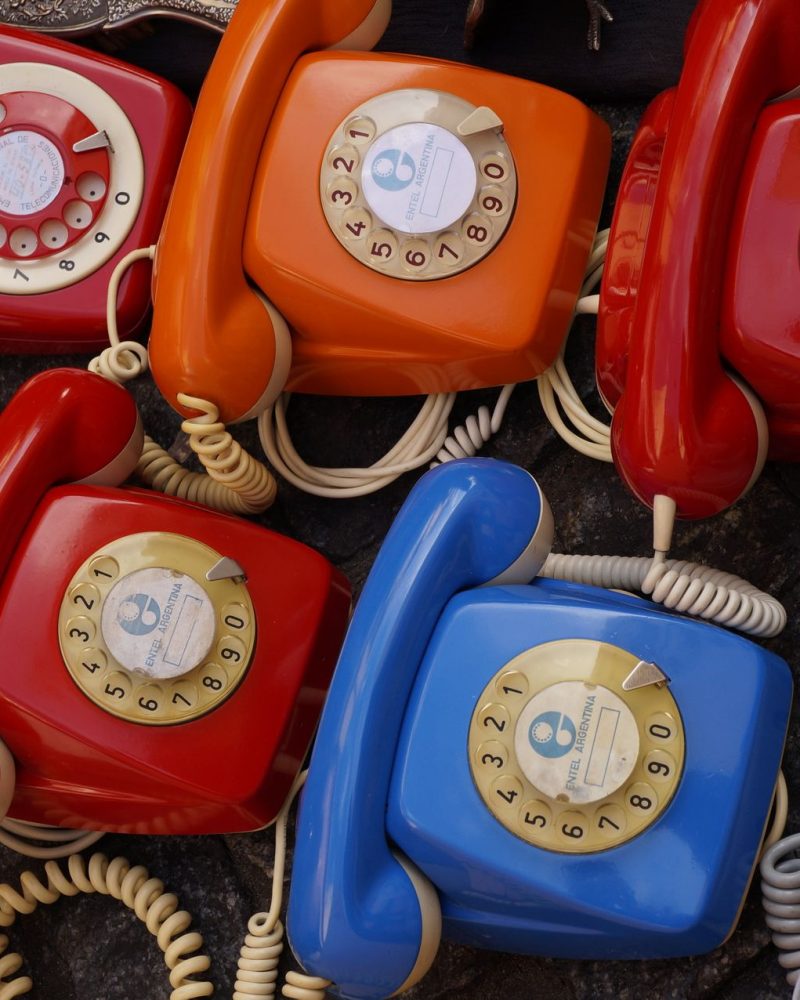
Useful numbers and emergencies in Vietnam
(Photo: Christoph Burgstedt) 1. National emergency numbers (free services) These numbers can be reached 24 hours a day from any phone (landline or mobile).… Read the guide -
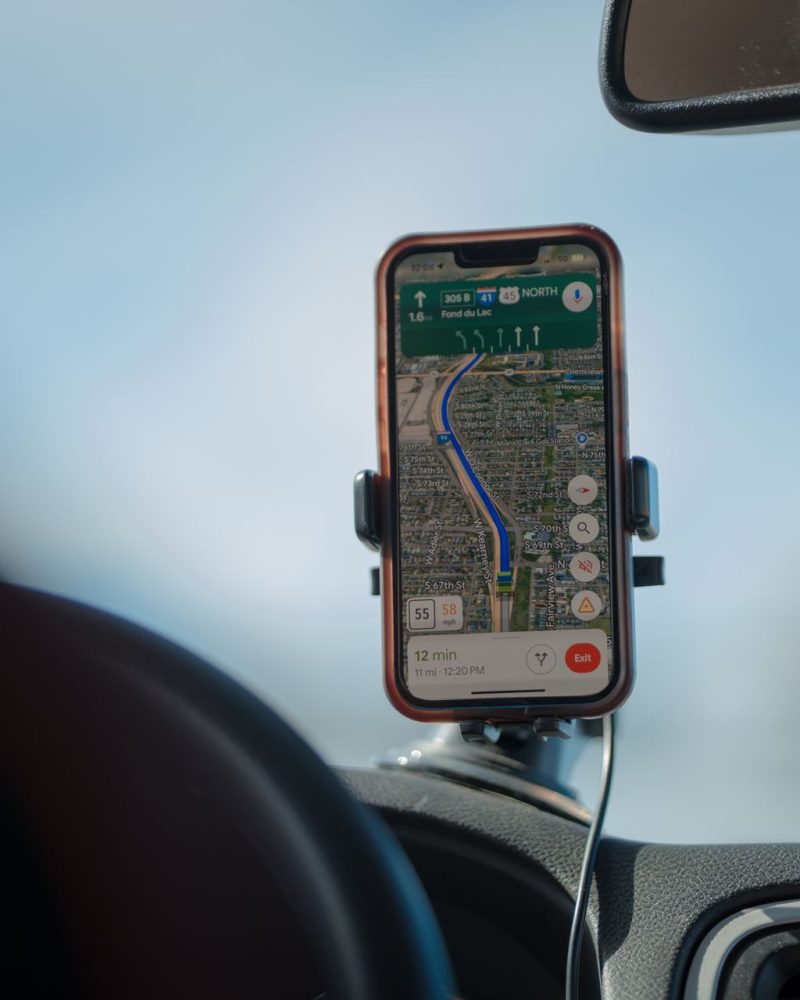
Essential apps for Vietnam
(Photo: Apple) 1. Transport and mobility (getting around) Vietnam has a highly developed digital transport ecosystem. Forget waiting by the roadside: everything happens on… Read the guide -
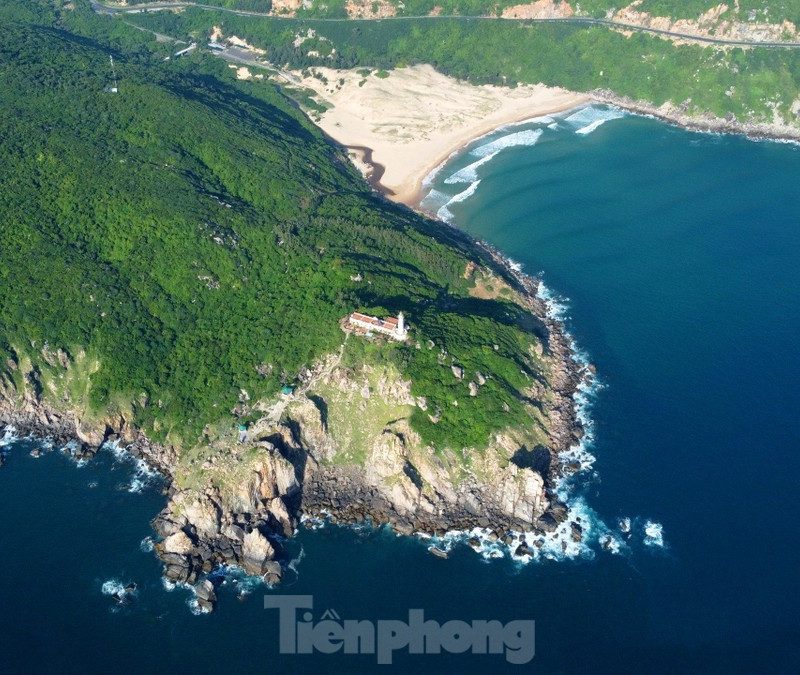
History and Geography of Vietnam
(Photo: Tiền phong) To understand Vietnam is to delve into a thousand-year history marked by resilience and to discover an exceptionally diverse geography, sculpted… Read the guide -
In-depth guide: Practical tips for travelling safely during the monsoon and typhoon season
Travelling in Southeast Asia, and particularly in Vietnam, in July and August – a period of intense monsoon activity and typhoon risk – presents… Read the guide
From the first read to departure day
Seasons, itineraries, formalities, budget, flights and the service directory: all the practical information you need before booking, gathered in one place.