

In-depth guide: Practical tips for travelling safely during the monsoon and typhoon season
Travelling in Southeast Asia, and particularly in Vietnam, in July and August – a period of intense monsoon activity and typhoon risk – presents obvious logistical and safety challenges. Nevertheless, objectively speaking, travelling during this low season offers undeniable advantages: better prices, less crowded tourist sites and the opportunity to discover a more intimate and peaceful side of each destination.
For your stay to go smoothly and to minimise the risk of disruption, it is essential to adopt a rigorous preparation strategy. This means packing methodically, analysing weather data closely and putting fallback options in place.
1. Smart packing: the basic rules for facing tropical rain
Rain in the tropics is characterised by its suddenness and by very high ambient humidity, which slows down the drying of fabrics. Your choice of clothing and protective gear must therefore meet the requirements of efficiency and durability:
Photo: Quang Nguyen Vinh
-
Choosing fabrics: Leave heavy clothes that hold water, such as jeans, denim or thick cotton, at the back of your wardrobe. When wet, they become heavy, cause uncomfortable chafing and develop damp smells because there is no sun to dry them. Choose clothes made of technical, synthetic (polyester, nylon) or lightweight materials, known for drying quickly.
-
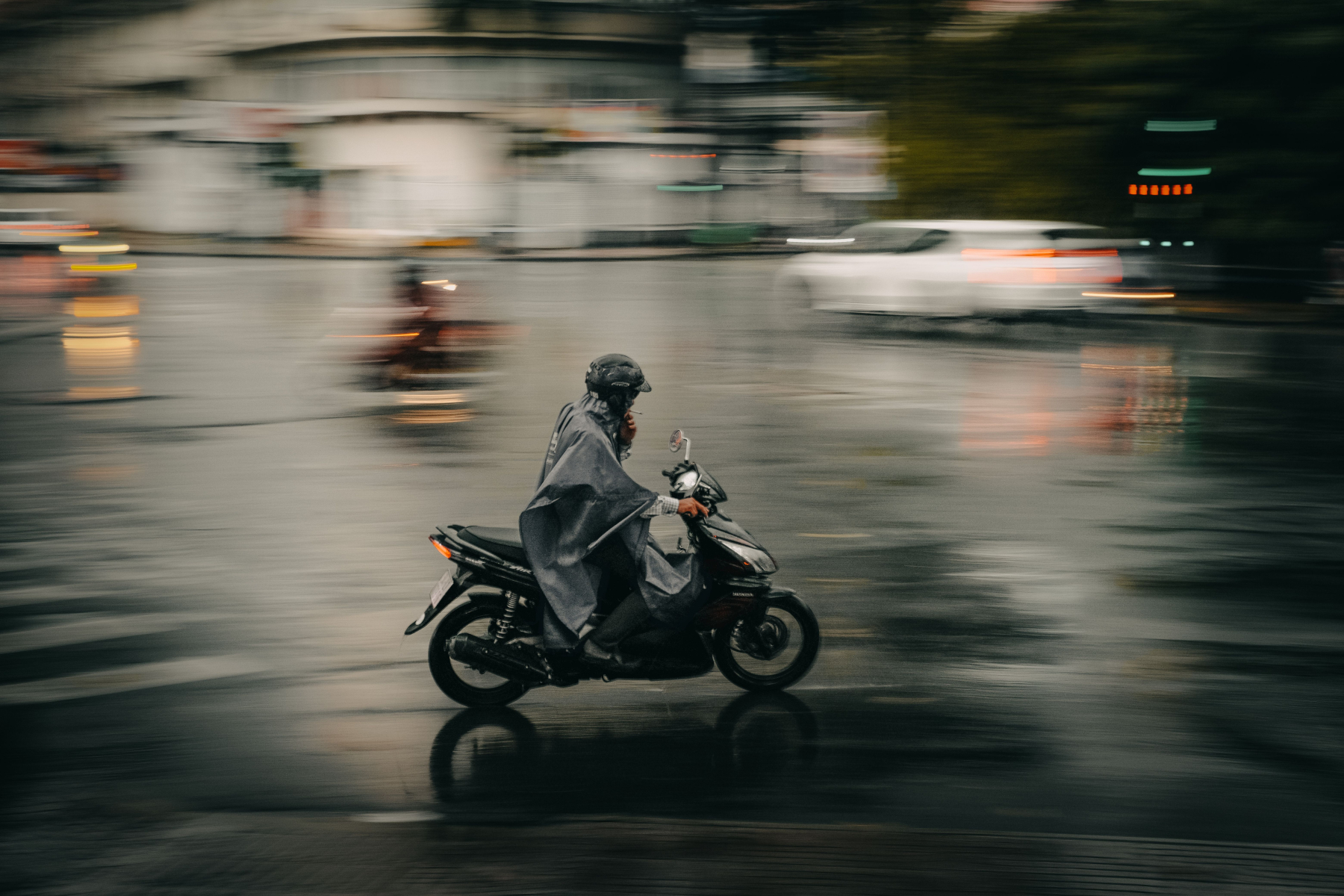
Photo: Nguyen Designer -
Waterproof protective gear: In strong gusts of wind, an ordinary umbrella proves useless, even dangerous when it turns inside out or breaks. The best option is still a thick rain poncho or a waterproof jacket and trousers set offering excellent coverage.
-
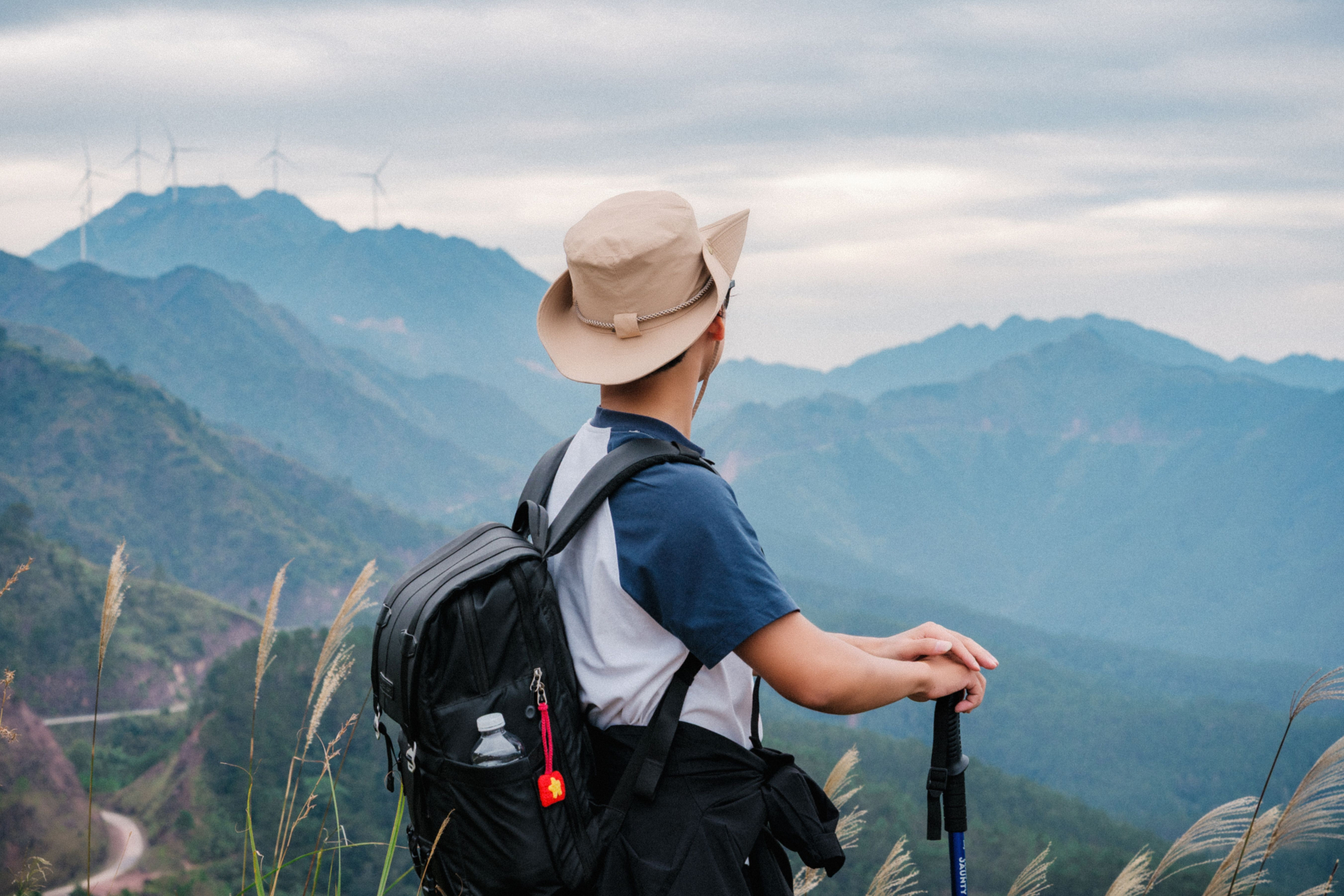
Photo: Hoa Le Dinh -
Protecting your tech equipment: Invest in professional roll-top waterproof bags (dry bags) to protect your essential identity documents (passport, cards) and electronic devices (cameras, computers, phones). In addition, a waterproof backpack cover (rain cover) is an essential accessory for every outing.
-
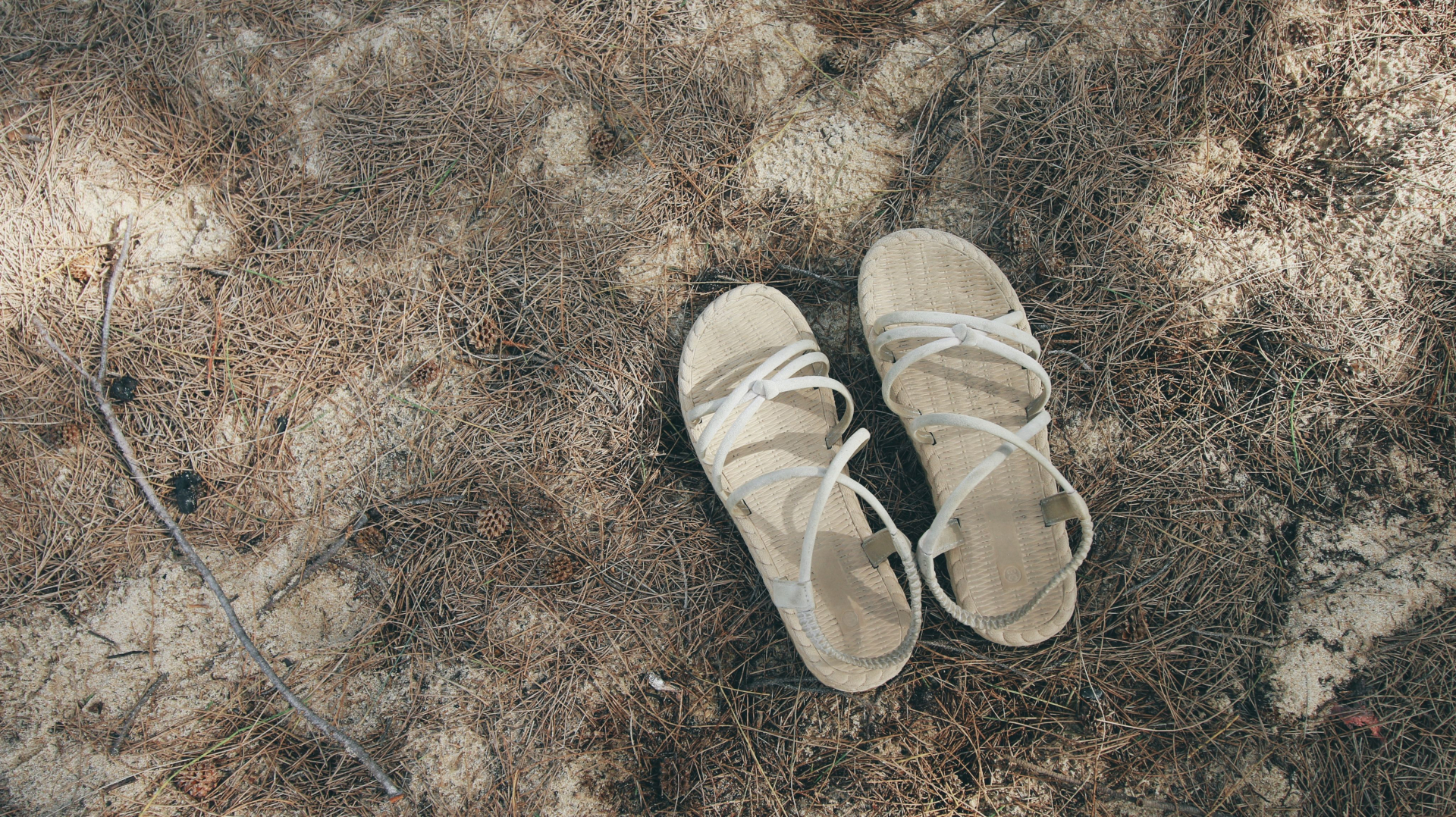
Photo: thngocbich -
The right approach to footwear: Canvas trainers and high-end leather shoes are to be avoided. Prolonged exposure to standing water damages the materials and encourages bacterial growth. Wear non-slip hiking sandals with good grip or moulded plastic rain shoes to keep your footing on slippery ground.
2. Analysing weather data and managing natural disaster risks
Photo: Phat Tri Nguyen
Checking the default weather apps on your smartphone is not enough, as they provide forecasts that are too general, based on large-scale algorithms. To manage your itinerary scientifically, rely on specialist sources:
-
A dynamic mapping app: Install the Windy app. It is a tool for observing weather models in real time, used by aviation and maritime professionals. With maps showing wind paths, cloud density and pressure readings, you can anticipate a storm cell arriving at your location and take shelter in time.
-
Official sources of information: Regularly check the website of the National Centre for Hydro-Meteorological Forecasting of Vietnam (NCHMF). As soon as a tropical depression or typhoon forms, official bulletins give its coordinates, speed of movement and warning zones, allowing you to decide safely whether to go ahead with your excursion or postpone it.
-
On-the-ground feedback from local communities: Join trusted local travel groups on social media. The information shared by residents about flooded urban areas, mountain pass roads prone to landslides or bans on sea crossings to the islands is updated by the minute and reflects exactly what is happening on the ground.
3. Travel insurance: essential financial and legal protection
Photo: Tima Miroshnichenko
For any trip taken during periods of unstable weather, travel insurance is not an unnecessary extra but an essential means of protecting your spending against unforeseen events beyond your control.
-
Key clauses to check: When taking out a policy, read carefully the sections on “Trip interruption or cancellation due to natural disaster” and “Flight / public transport delay”. Make sure the insurer covers non-refundable costs (plane tickets, hotel bookings) if your trip is cancelled because of an official ban on flights or sailings.
-
Putting together your claim: If something goes wrong, immediately gather the evidence required for your claim. Ask the airline or transport company for an official statement, in writing or by email, giving the exact cause of the delay or cancellation. Keep all boarding passes and any additional hotel and meal receipts for your insurer.
4. Fallback options: a list of indoor activities (Indoor)
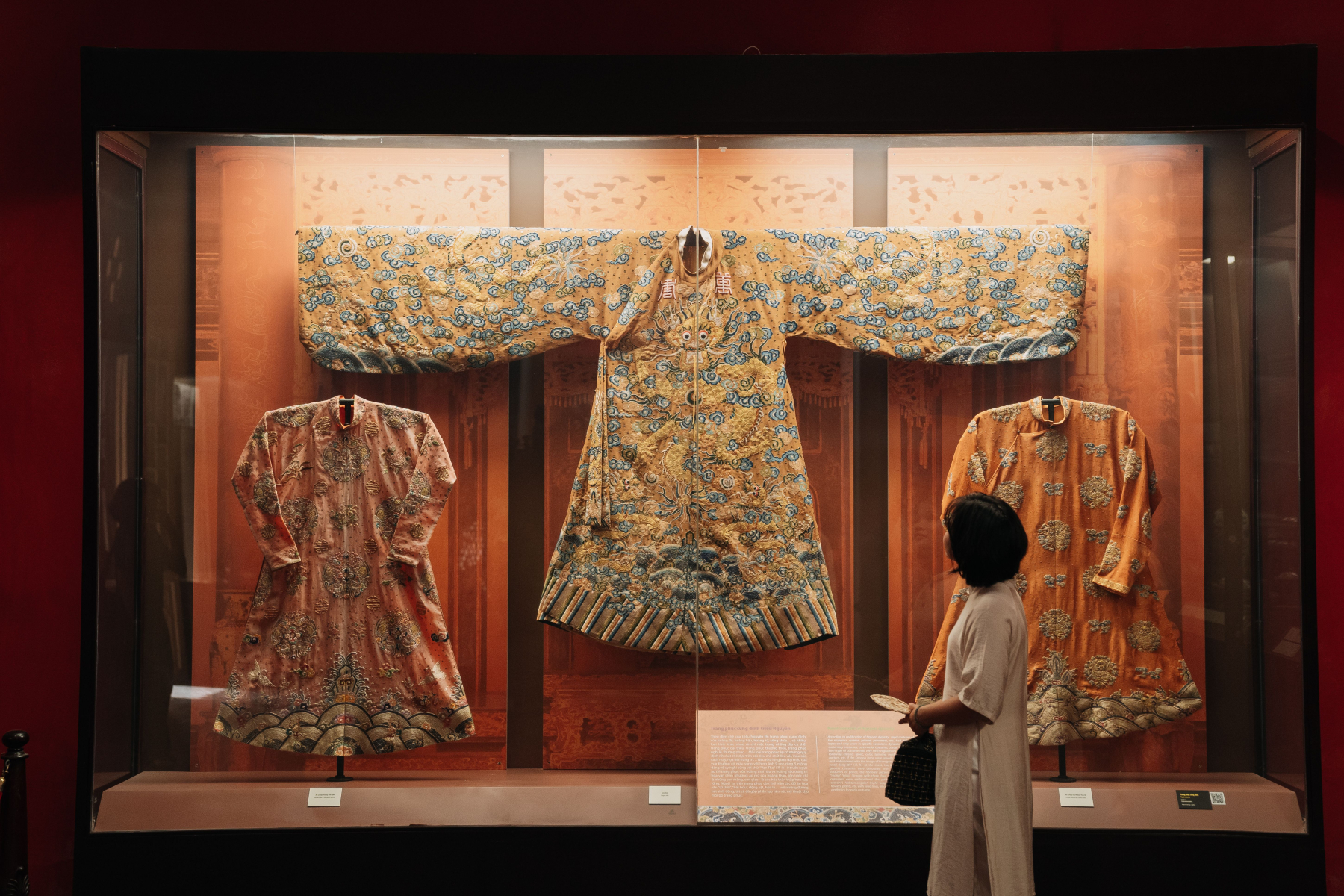
Photo: Simeart
An afternoon of torrential rain does not mean your day is lost. Instead of staying shut away in your hotel room, refocus your programme on rich experiences in covered, sheltered spaces:
-
Museums and cultural centres: This is the ideal time to deepen your knowledge of local history, ethnology and art. The interiors of museums, private galleries and old religious buildings not only provide dry, safe shelter but also guarantee a calm atmosphere, ideal for a quality cultural visit.
-
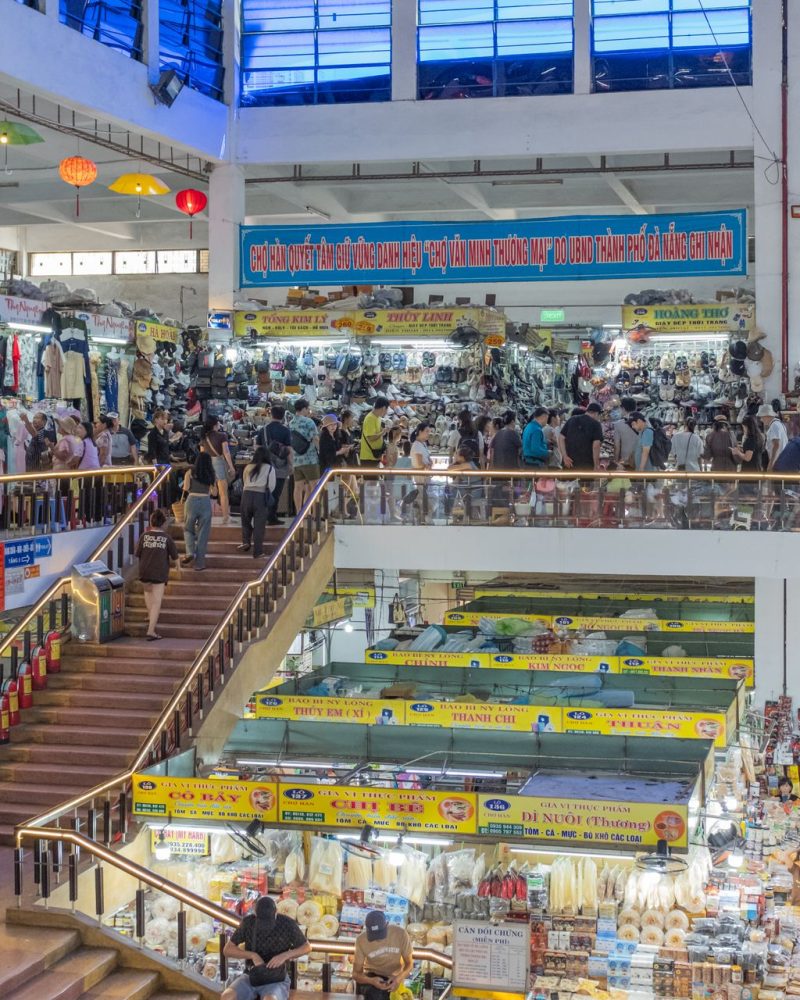
Immersion in the great traditional covered markets: The historic covered markets (such as Ben Thanh market in HCMC, Dong Ba market in Hue or Han market in Da Nang) have permanent structures. They are the perfect place to shelter while watching local life and tasting hot, comforting culinary specialities, ideal for offsetting the chill of rainy days.
-
Taking part in workshops and craft classes: Look for and sign up to short courses (2 to 4 hours) offered locally. Pottery, embroidery, artisan perfume-making or traditional cookery classes let you make the most of your time while creating a personal souvenir to take home.
Conclusion
The key to a successful trip during the monsoon season lies in a flexible mindset combined with rigorous logistics. Once you have a coherent “Plan B” and reliable sources of weather information, the vagaries of the climate stop being an obstacle and become an opportunity to discover a destination from a more authentic, calm and truly unique angle.
Good to know
-
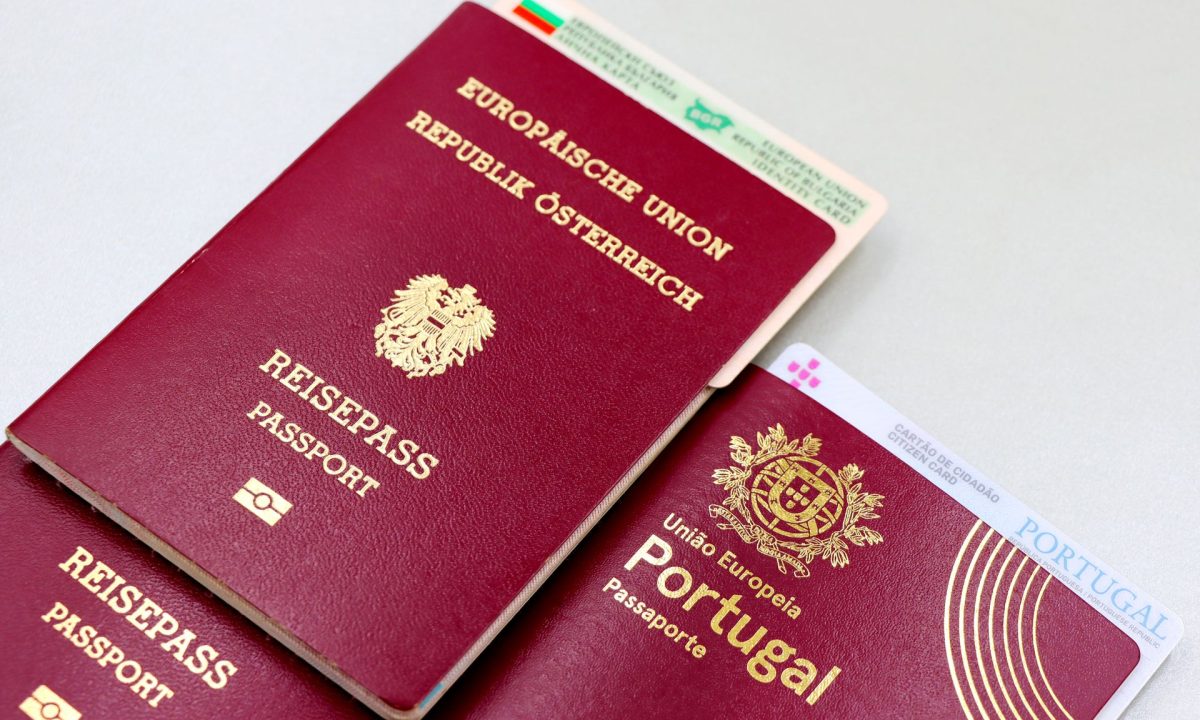 Visa
Do I need a visa?
Vietnam issues e-visas to nationals of many European countries. The conditions, the permitted length of stay and the open entry points change regularly. Read the guide -
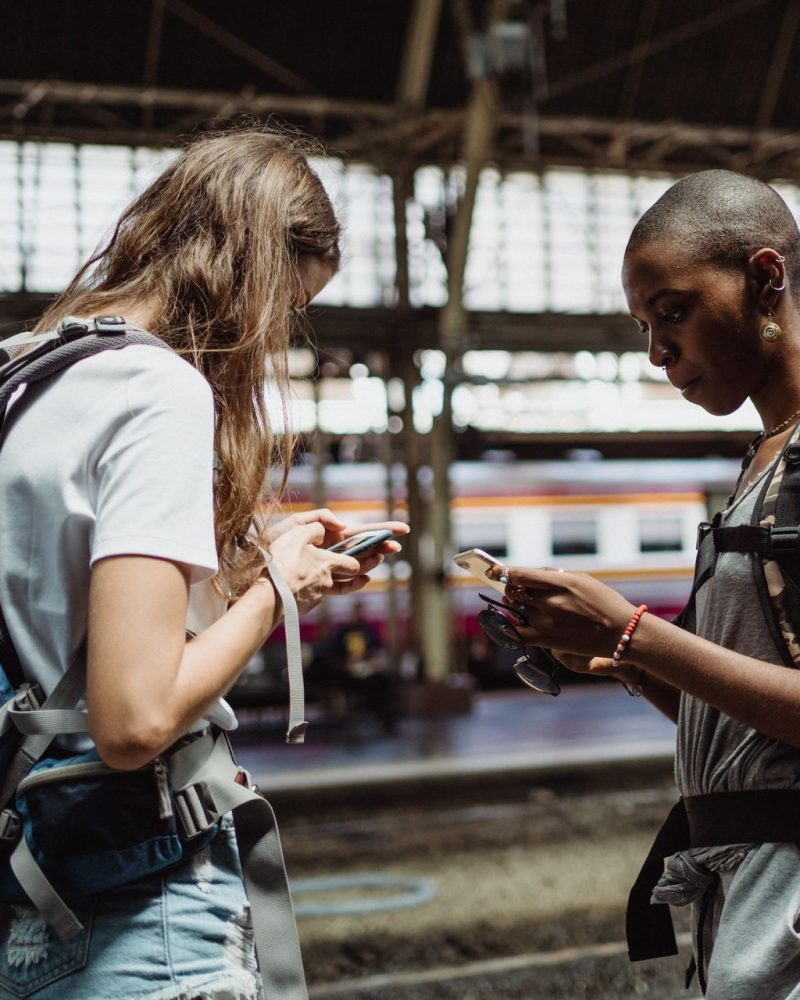 Communication
Phone and internet: how does it work?
Tourist SIM cards and eSIMs can be bought as soon as you land at the airport, simply by showing your passport. 4G covers all three regions; hotels and cafés all have Wi-Fi. Read the guide -
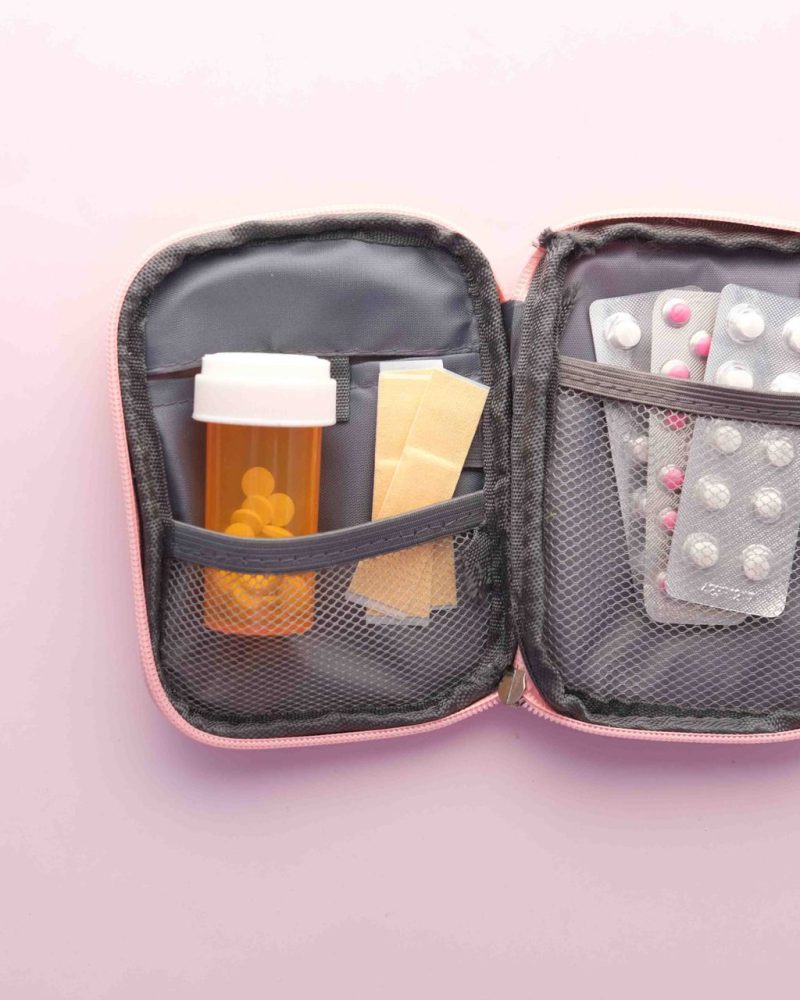 Health
Do I need vaccinations?
No vaccinations are compulsory for travellers coming from Europe. Take out travel insurance covering medical expenses and pack mosquito repellent for the forest and the Mekong Delta. Read the guide -
 On the street
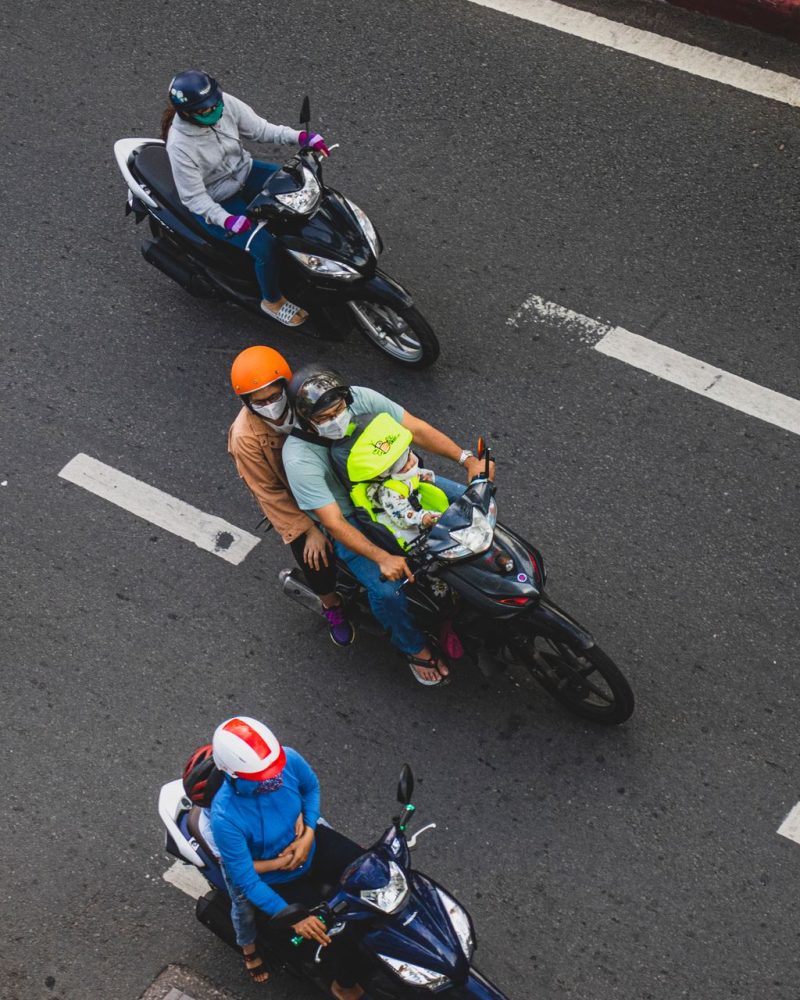
How do you cross the street through the motorbikes?
Walk slowly and at a steady pace, without stopping suddenly or stepping back: the riders will steer around you. Read the guide -
 Safety
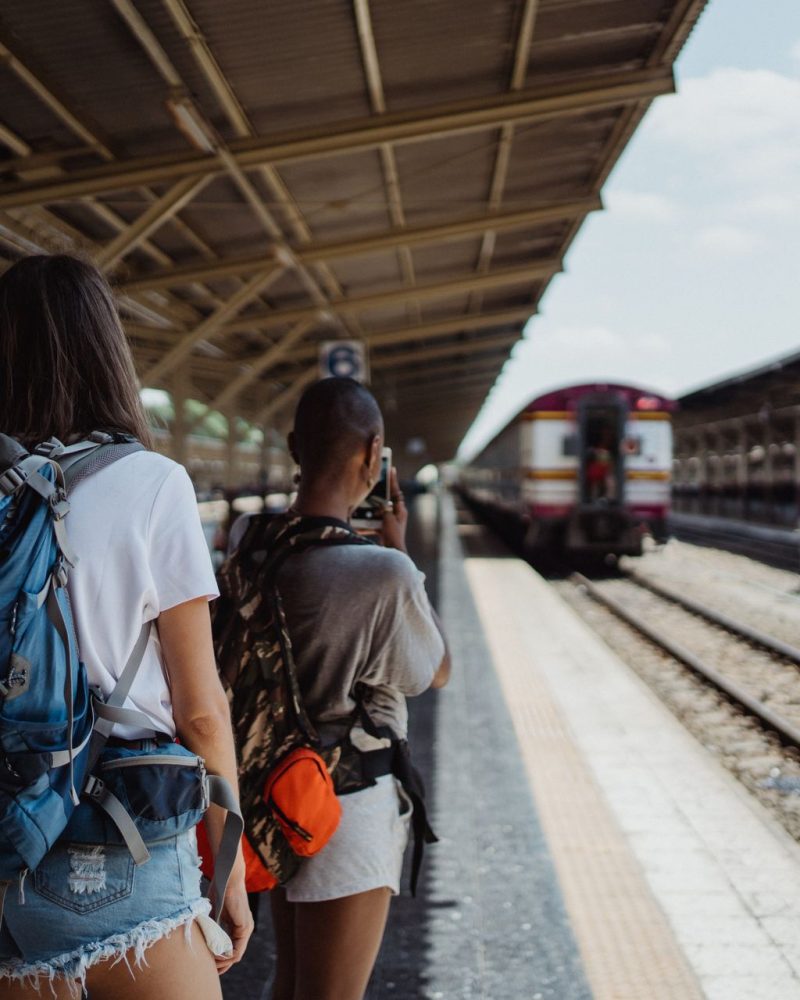
How do I keep my belongings and documents safe?
Leave your passport in the hotel safe and carry a copy with you; in markets and busy streets, wear your bag in front of you. Read the guide -
 Etiquette
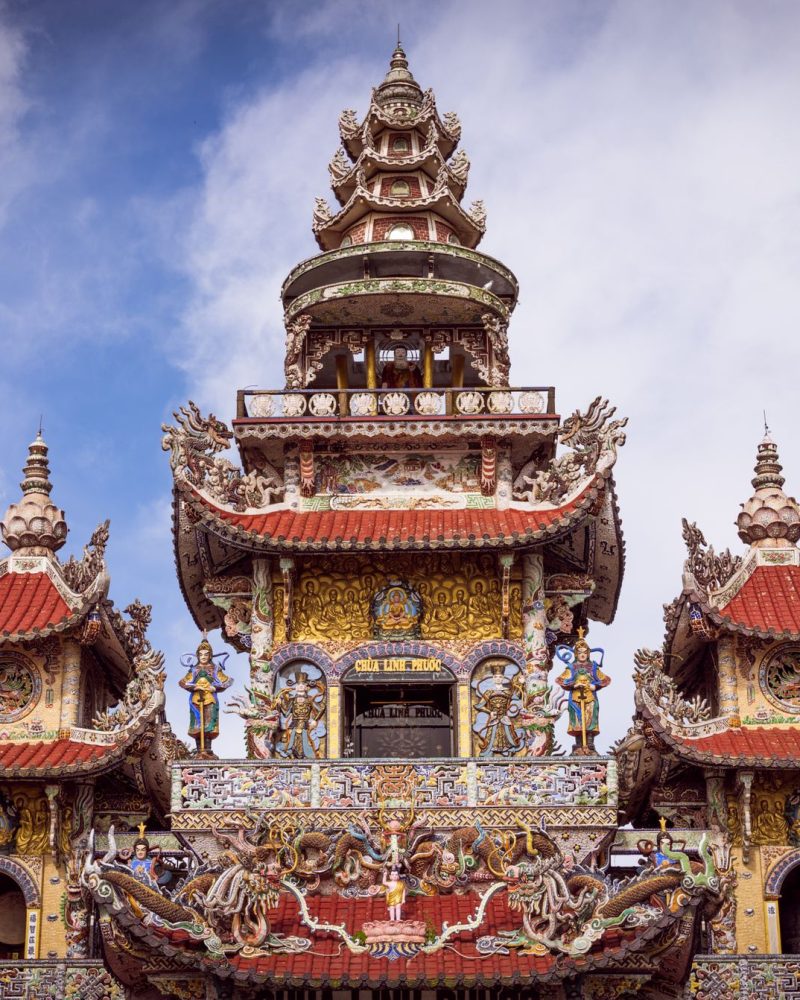
Pagodas and temples: what should you know?
Cover your shoulders and knees, take off your shoes before entering the sanctuary, speak quietly and ask permission before photographing local people. Read the guide -
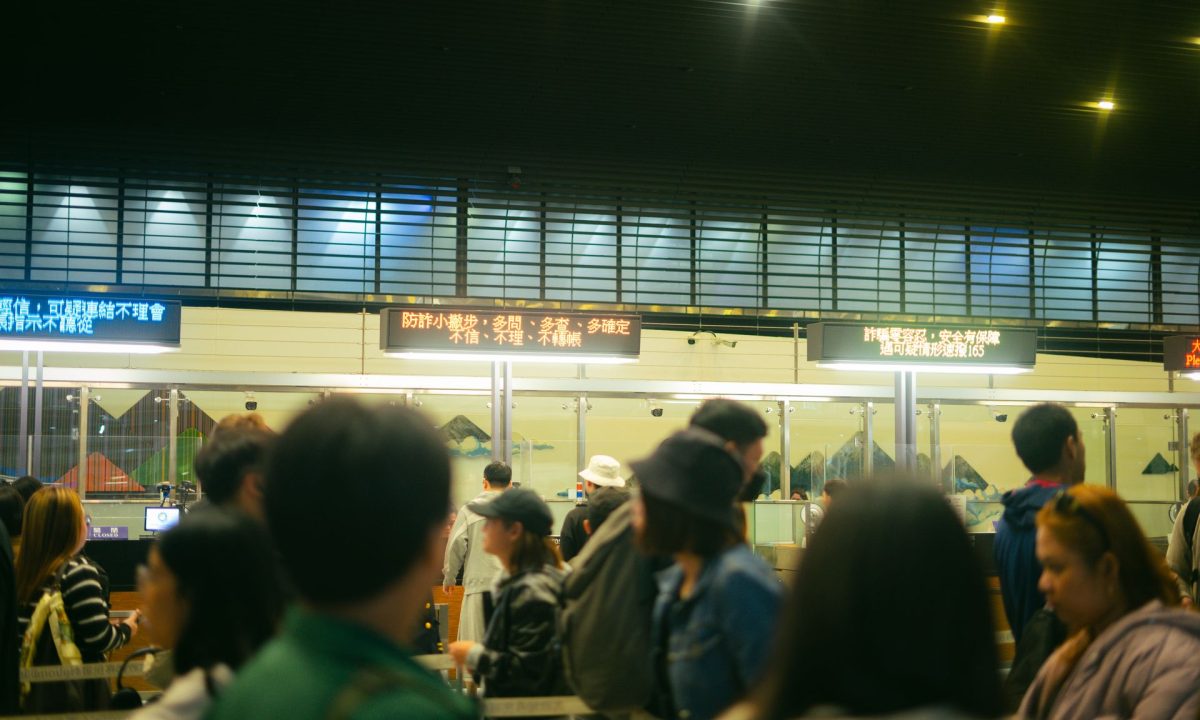
NEW PRE-ARRIVAL IMMIGRATION PROCEDURE FOR FOREIGN VISITORS – FROM 15 APRIL 2026
From 15 April 2026, the electronic pre-entry declaration system is being rolled out simultaneously at Vietnam's main international airports. This regulation helps to streamline… Read the guide -
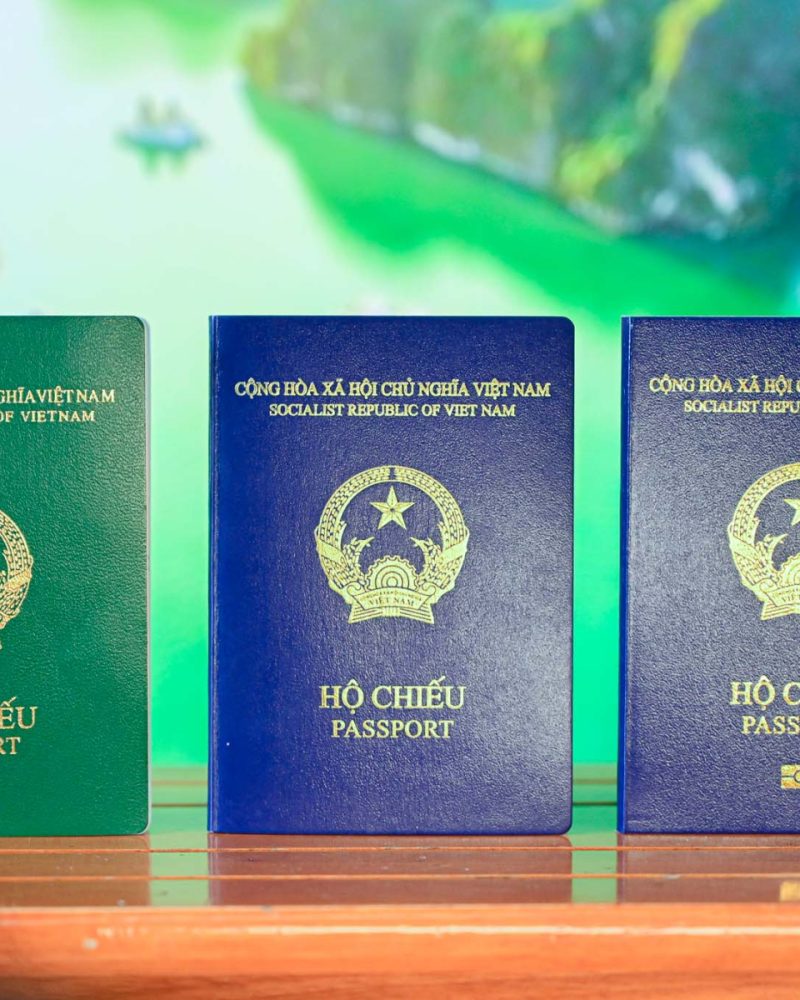
Passport and Visa for Vietnam
(Source: Nam Air) 1. Passport To enter Vietnam, your passport must meet the following conditions: Validity: The passport must be valid for at least… Read the guide -
Customs and Immigration in Vietnam
Foreign visitors complete entry procedures at Noi Bai International Airport (Photo: Giang Huy) 1. Immigration procedures Since April 2026, Vietnam has modernised its procedures… Read the guide -

Useful numbers and emergencies in Vietnam
(Photo: Christoph Burgstedt) 1. National emergency numbers (free services) These numbers can be reached 24 hours a day from any phone (landline or mobile).… Read the guide -
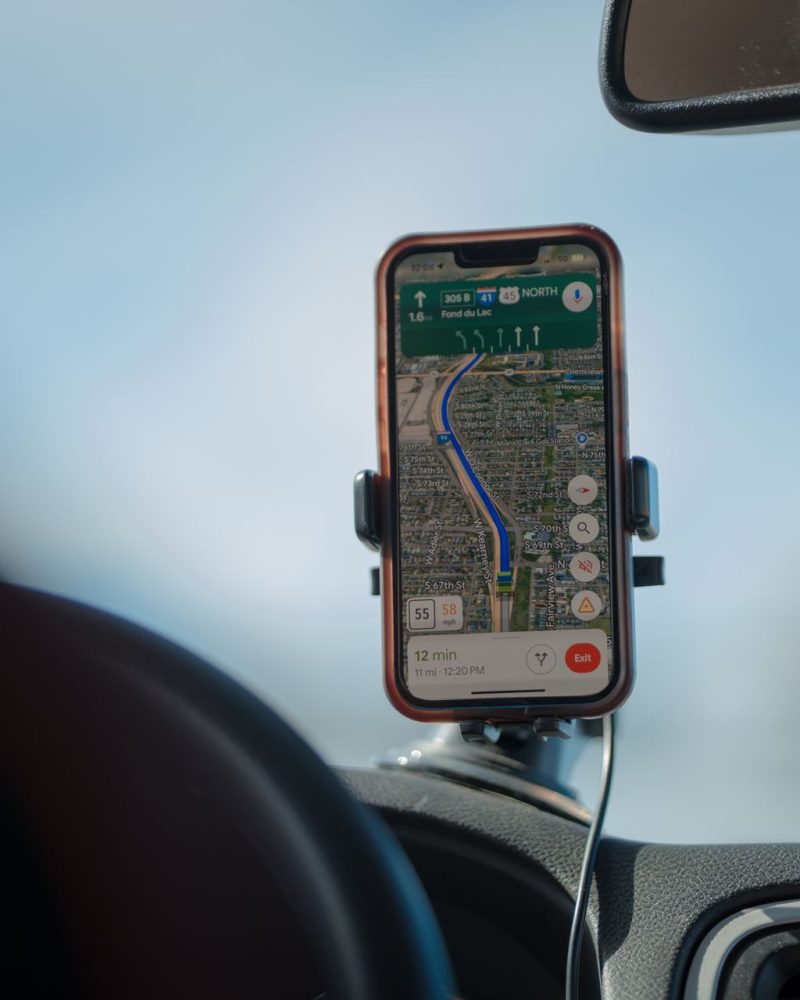
Essential apps for Vietnam
(Photo: Apple) 1. Transport and mobility (getting around) Vietnam has a highly developed digital transport ecosystem. Forget waiting by the roadside: everything happens on… Read the guide -
Language and Communication in Vietnam
The president of Nvidia Corporation having a drink in Vietnam (Photo: Dân Trí) Although Vietnamese is the official language spoken throughout the country, many… Read the guide -
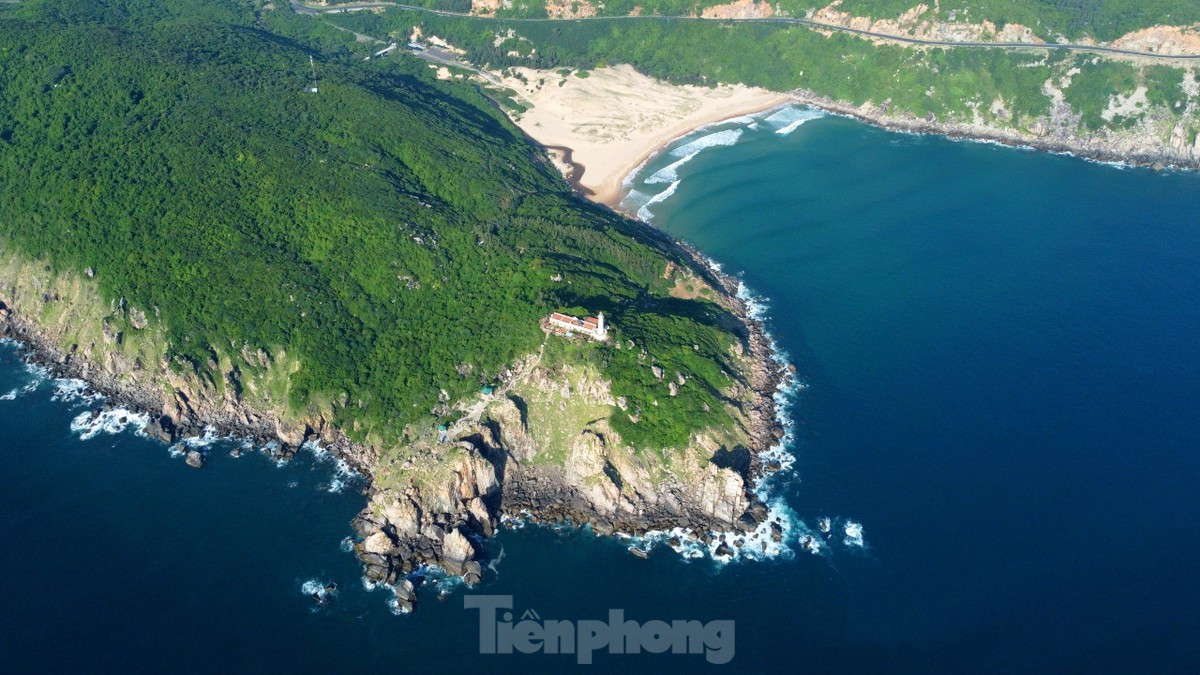
History and Geography of Vietnam
(Photo: Tiền phong) To understand Vietnam is to delve into a thousand-year history marked by resilience and to discover an exceptionally diverse geography, sculpted… Read the guide
From the first read to departure day
Seasons, itineraries, formalities, budget, flights and the service directory: all the practical information you need before booking, gathered in one place.