

Tourism potential from distinctive agricultural products
With 80% of its official tourist sites located in rural areas, Vietnam is betting on agritourism and community-based tourism to win over travellers. From the plum trees in blossom of Mộc Châu to the vineyards of Bình Thuận, by way of the tea plantations of Thái Nguyên, the countryside is enjoying an unprecedented boom. Discover the keys to this success, as well as the major challenges in building a competitive green tourism model by 2030.
With 80% of its official tourist sites located in rural areas, Vietnam is betting on agritourism and community-based tourism to win over travellers. From the plum trees in blossom of Mộc Châu to the vineyards of Bình Thuận, by way of the tea plantations of Thái Nguyên, the countryside is enjoying an unprecedented boom. Discover the keys to this success, as well as the major challenges in building a competitive green tourism model by 2030.
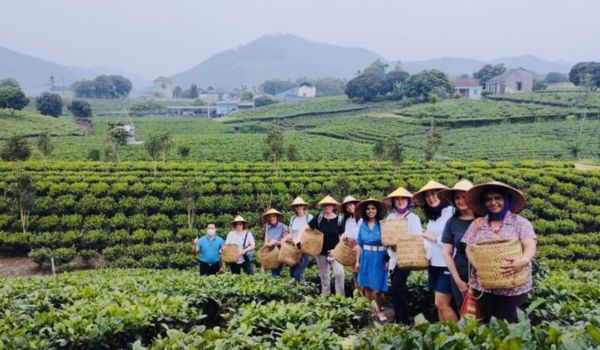
Thái Nguyên is focusing on developing cultural tourism linked to tea
In recent years, many localities have showcased their traditional cultural assets, farming practices, local specialities, natural landscapes, festivals, craft villages and cuisine to create distinctive, specialised tourism products.
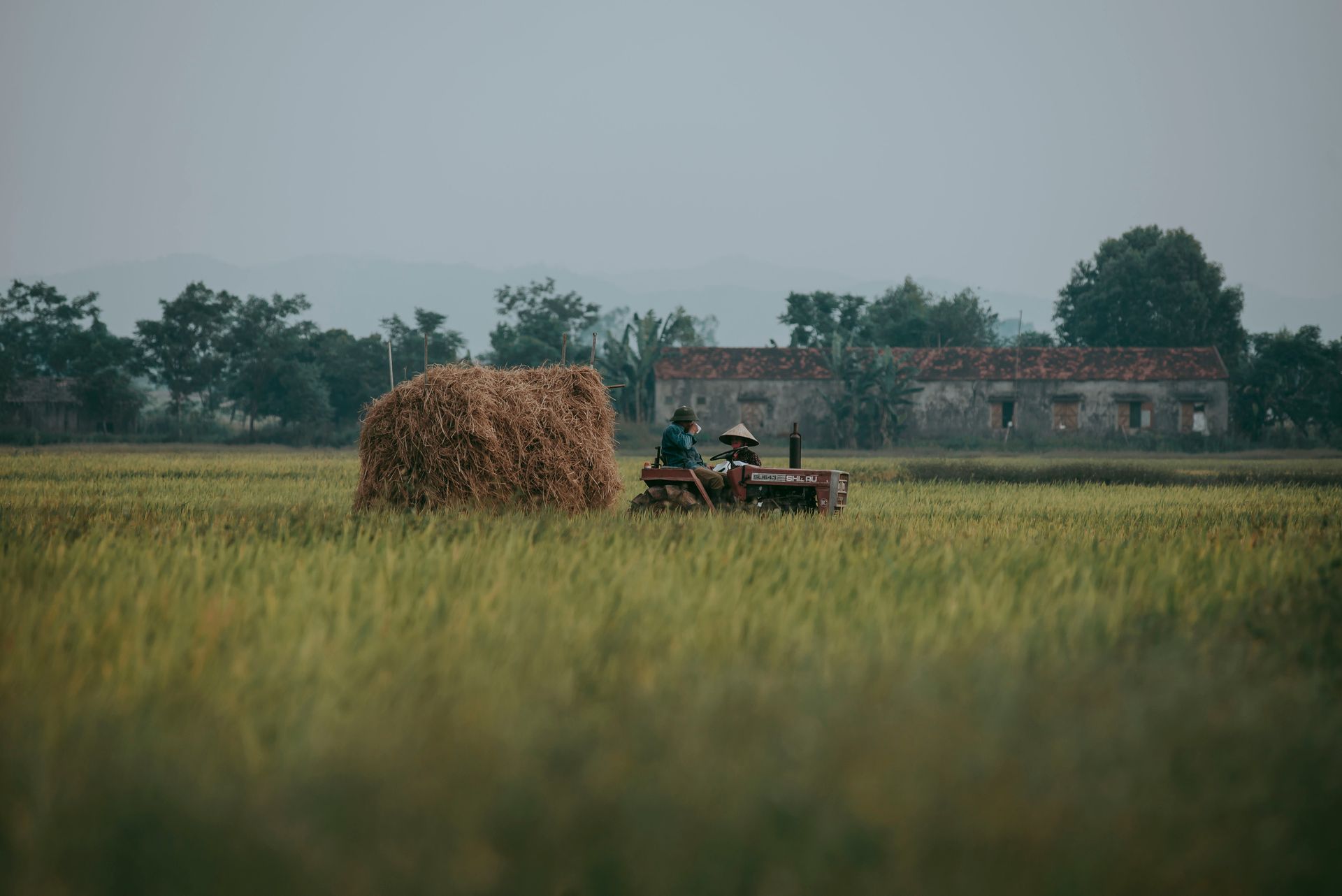
For example, several provinces have developed tourism offers around fruit-growing areas, tea or coffee plantations, flower growing and livestock farming (dairy cattle, aquaculture), as well as clean or organic farming projects that incorporate modern technologies. Some agritourism activities are also combined with community-based, cultural, ecological or craft tourism.
Notable events include the Mekong Delta Fruit Festival, the Central Highlands Coffee Festival, “Sắc vàng Tam Cốc” in Ninh Bình, the terraced rice-field season in the North-West and the Đà Lạt Flower Festival.
Destinations on the rise
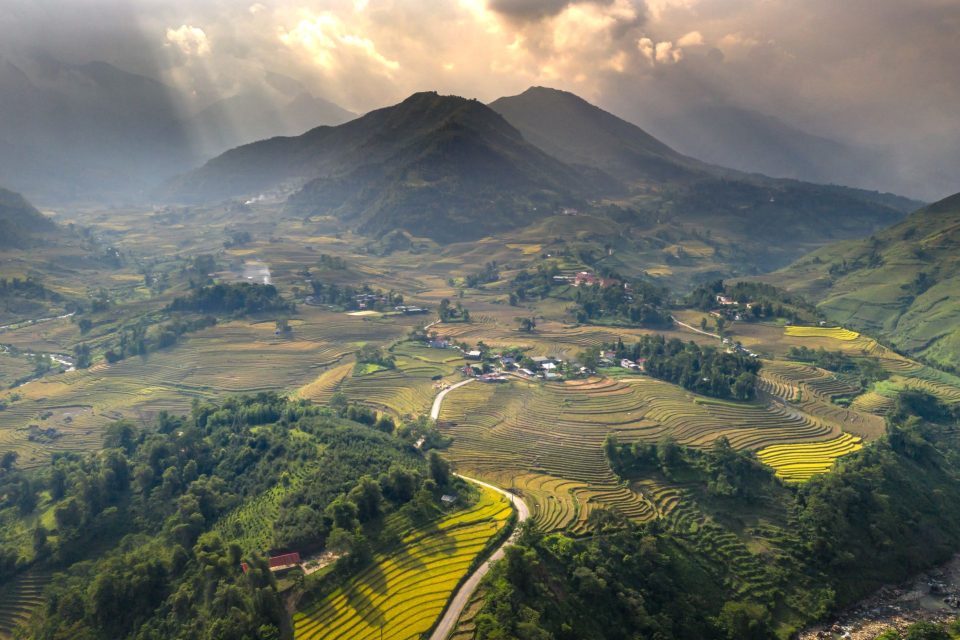
At the start of 2025, the town of Mộc Châu, in Sơn La province, welcomed a record number of visitors, with around 105,000 tourists between 25 January and 2 February. The roads were jammed with vehicles, and accommodation and restaurants were full. The plum trees in full bloom and the local culture drew large numbers of visitors.
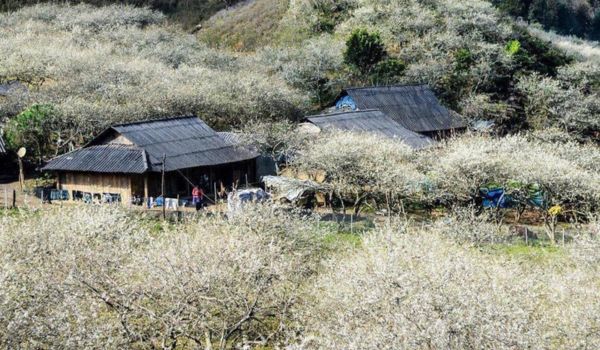
The plum blossom valley of Nà Ka, in Mộc Châu.
Once little known, the town of Măng Đen, in Kon Plông district (Kon Tum province), has become a sought-after destination, thanks in particular to the early blossoming of its cherry trees. During Tết Ất Tỵ 2025, nearly 230,000 visitors travelled there, generating an estimated turnover of 80 billion dong. The local authorities plan to plant a further one million cherry trees to make Măng Đen a “city of cherry blossoms” in the future.
Since the opening of the Dầu Giây – Phan Thiết and Phan Thiết – Vĩnh Hảo expressways, Tuy Phong district (Bình Thuận province) has seen a growing influx of visitors. The vineyards of Phước Thể commune attract many tourists who come to taste grape-based products and take part in the harvest.
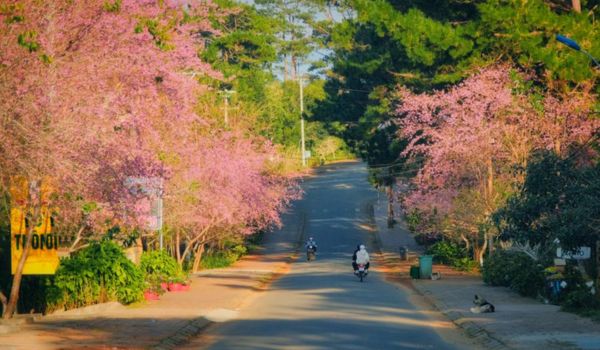
The cherry trees of Măng Đen begin to blossom as Tết approaches, with a particularly spectacular display around Đăk Ke lake and along the road leading to Mount Ngọc Lễ.
In the North, Thái Nguyên province is focusing on developing cultural tourism around tea, combining tourism with the preservation of local cultural and historical heritage. In 2025, the province plans to support the upgrading of community-based tourism models, homestays and tourist farms in line with the criteria for OCOP products rated 3 to 4 stars, organising workshops on processing and tasting tea-based products to enrich the visitor experience.
Challenges to overcome
At the conference on rural tourism at the end of 2024, Mr Hà Văn Siêu, Deputy Director of the Vietnam National Authority of Tourism, stressed that the policy for developing rural tourism aims to enhance and preserve local culture in order to make destinations attractive and competitive.
However, despite efforts to create distinctive tourism products, many localities offer similar products that lack originality. This uniformity is often the result of a fragmented approach and a lack of coordination.
Furthermore, it is essential to help local communities protect their traditional culture and the environment, while developing unique tourism products with an identity of their own.
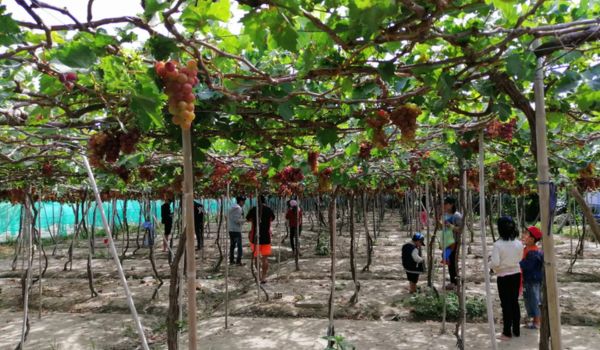
The vineyard in Phước Thể commune.
Nguyễn Lê Phúc, also Deputy Director of the Vietnam National Authority of Tourism, noted that many localities mainly offer day-long experiences, without integrating high value-added agricultural and tourism value chains. The lack of quality wellness and care services, as well as land-use issues, are also major obstacles.
Dr Hoàng Trọng Thủy, an agricultural expert, highlighted the lack of connection between OCOP products and agritourism, when the two should complement each other. Visitors are looking for products that tell a story linked to history, people and places.
At the recent international workshop on green tourism development in Đà Lạt, Ms Apinya Iamampha, Vice Governor of Suphanburi (Thailand), explained that the key lies in creating tourism products with a strong brand and identity.
Authorities and businesses must understand consumer trends, local strengths and core values, particularly indigenous culture and natural features, in order to avoid duplicating products and to devise effective promotion strategies.
Last checked Suggest a correction