

A stay at Thien Cam beach: immersed in an unspoilt bay in Ha Tinh
- Recommended months
- March – april and september – november Spring · Autumn
Why try it?

Photo: Ha Tinh Journal
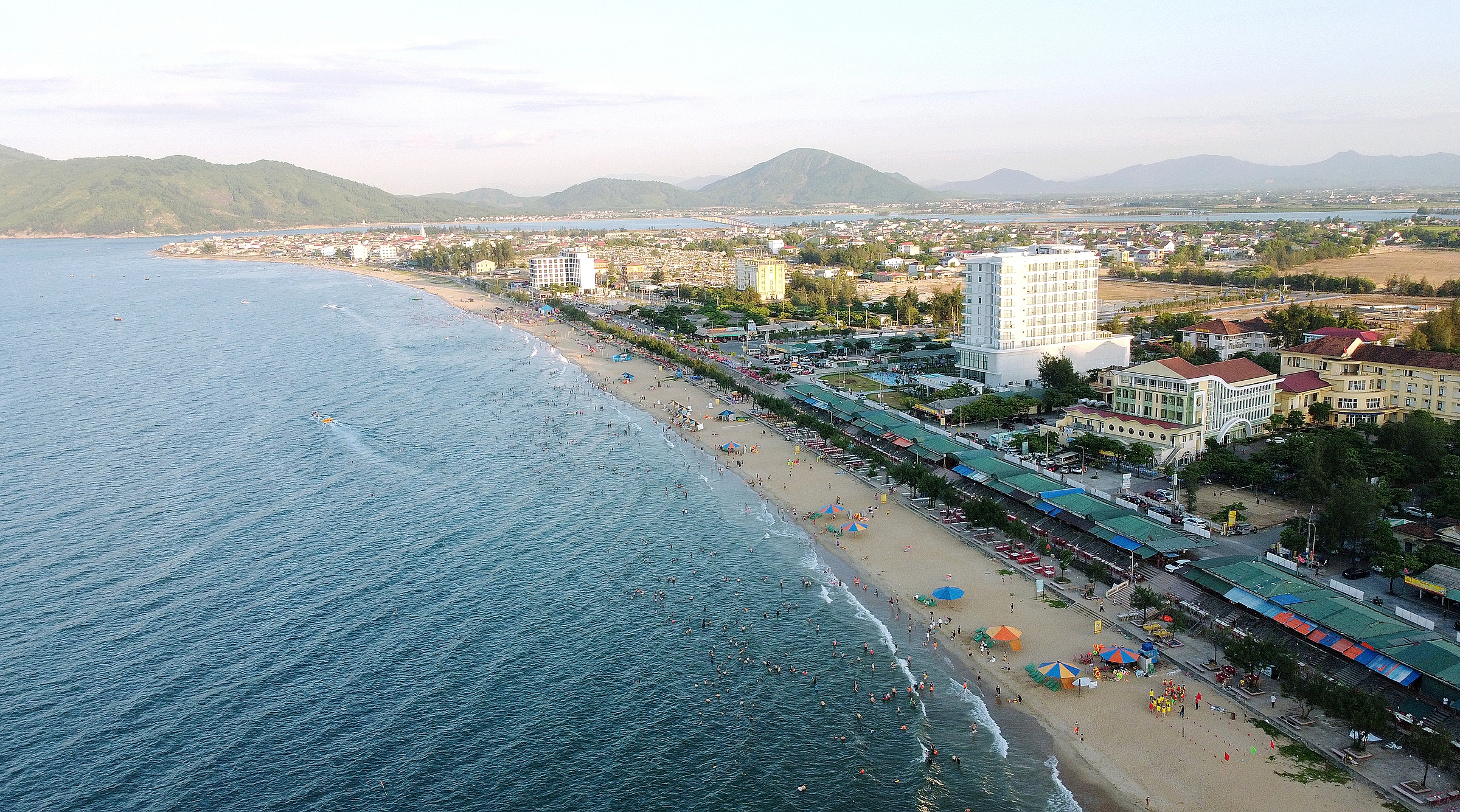
The coast of Ha Tinh province, around 400 kilometres south of Hanoi, is home to one of the most distinctive stretches of shoreline in Vietnam’s North Central region. Thien Cam beach stands out for its crescent-shaped geography, lapped by the waters of the Gulf of Tonkin and backed by the steep slopes of the mountain of the same name. The destination offers a measured alternative to the country’s densely developed seaside resorts, preserving an authentic maritime atmosphere and a local pace of life set by small-scale fishing. For travellers making their way along the north–south route, a stop in this part of the province reveals a coastal landscape where human activity remains in harmony with natural cycles.
Geographical location and getting there
Thien Cam beach fits easily into an itinerary linking northern and central Vietnam. Located in Cam Xuyen district, the beach is 20 kilometres south-east of Ha Tinh city. From Hanoi, travellers can take the train or a night bus to Vinh station, in neighbouring Nghe An province, before completing the journey by taxi or local bus in around an hour and a half. For those who prefer to travel directly by road, National Highway 1A is the main route, a journey of around six to seven hours through the rural landscapes of the Red River delta and the provinces of Thanh Hoa and Nghe An.
Major sights and memorable experiences in Thien Cam
-

Photo: Phạm Minh Đức -
Mount Thien Cam and the heritage of Cam Son Pagoda: Rising steeply at the edge of the beach, this rocky hill is the bay’s main landmark. A paved stone path winds through dense vegetation to lead walkers to the summit. From up there, travellers enjoy a particularly striking 360-degree panoramic view, revealing the perfect arc traced by the beach, the to-and-fro of ships out at sea and the rice-growing plains of Ha Tinh. It is on this summit that Cam Son Pagoda stands, an ancient religious building dating from the Tran dynasty. Dedicated to Buddhist worship and to the guardian spirits of the coast, this ironwood temple has a sober architecture that blends harmoniously into the rock. Exploring the surroundings of the sanctuary, you can see curious geological formations, notably a wide hollow in the stone that local folk tales associate with the footprint of a giant from the mythology of the Hung kings. The visit is at its most rewarding in the late afternoon, when the sea breeze picks up and the pagoda bells ring out over the Gulf of Tonkin.
-
An island excursion and the wild nature of Swallow Island (Hon En): Lying just over five kilometres offshore, this small volcanic rock formation remains entirely free of any permanent human infrastructure. To get there, visitors have to call on the services of local fishermen on the beach, who make the crossing in their traditional wooden boats or small motorboats in about twenty minutes. The approach to the island reveals sheer black basalt cliffs plunging straight into remarkably clear water. Hon En takes its name from the thousands of terns and swifts that have colonised the island’s many crevices and sea caves to nest. Landing takes place on a narrow strip of pebbles and crushed shells. The main activity is exploring the wild shoreline on foot, scrambling over boulders polished by the swell to take in the seascape. The waters around the island, sheltered from the main currents by the terrain, harbour small rocky reefs where colonies of soft corals, anemones and tropical fish thrive, offering a particularly unspoilt snorkelling spot that is accessible on days when the sea is calm.
-
The historic sanctuary and devotion to the goddess Bich Chau: Set at the foot of the mountain and facing straight out to the waves, this sacred architectural complex is one of the most important spiritual centres of the North Central maritime community. Built in the 14th century, the temple is dedicated to Nguyen Thi Bich Chau, a royal concubine of the Tran dynasty known for her forward-thinking political writings and her tragic sacrifice during a naval campaign, who thus became the patron saint and protector of the region’s sailors. The architecture of the complex scrupulously follows the rules of traditional Vietnamese geomancy, aligning three successive pavilions built of precious wood with fish-scale tiled roofs topped by terracotta dragons. Crossing the inner courtyards shaded by century-old banyan trees, visitors discover large stone stelae engraved with ancient ideograms recounting the miracles attributed to the goddess. The site is a unique cultural observatory: every day, and especially before setting out to sea, local fishing families come to leave offerings and pray for safe crossings and miraculous catches, perpetuating intangible rituals unchanged for centuries.
-
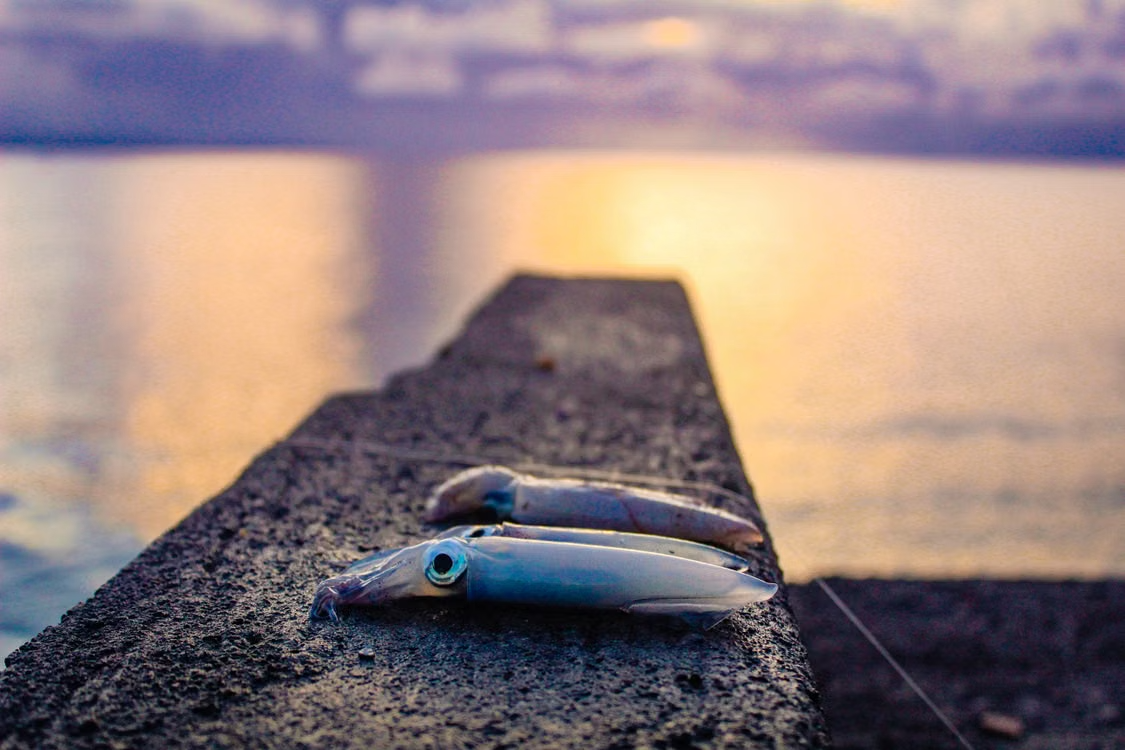
Photo: Marc Majam -
Immersion in the fish market and the ritual of the jumping squid: From four o’clock in the morning, the Thien Cam shoreline stirs from its slumber to welcome the return of the night fishing fleet. This daily gathering on the sand offers a raw immersion in the economic and social reality of the province. Fishermen’s wives line up along the water’s edge to receive woven bamboo baskets filled with still-live blue crabs, king prawns, cockles and rockfish. It is a chance to watch the lively bargaining between wholesalers and restaurateurs amid a unique blend of smells and sights. At the heart of this market is the hunt for Ha Tinh’s signature product: the jumping squid (mực nhảy). Caught by line at night under powerful lamps, these cephalopods are kept alive in buckets of seawater right on the boats, their skin constantly changing colour under stress. Travellers can buy this absolutely fresh produce as it comes off the boat and hand it straight over to the small open-air kitchens set up on the seafront to be quickly steamed.
Climate patterns and the best season for your stay
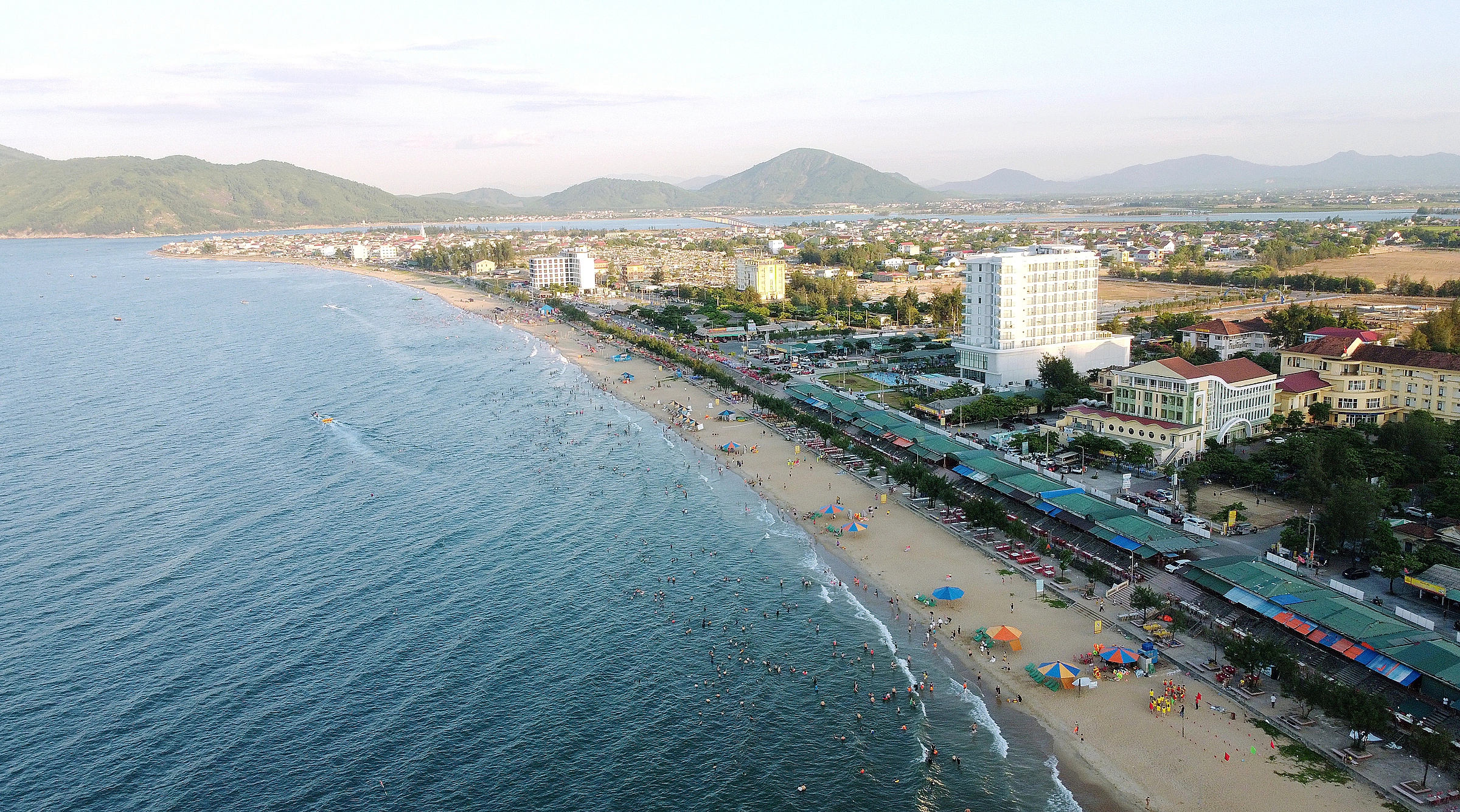
Photo: Duc Hung
Choosing when to go is decisive when planning a trip to Thien Cam, because of the marked temperature contrasts that characterise Vietnam’s North Central region. The period from May to July is the high season for beach holidays. During these summer months, sunshine is at its peak and average temperatures range between 32 and 36 degrees, creating ideal conditions for swimming. The sea is then particularly clear and calm, which makes boat trips to the surrounding islands and water sports much easier.
Conversely, the end of the year calls for particular care when putting your itinerary together. The season from September to November is traditionally marked by heavy rainfall, falling temperatures and a high risk of tropical storms or typhoons. During this autumn period, the sea becomes rough, visibility drops sharply and most of the small-scale boat services are suspended for safety. Travelling to Thien Cam between December and April lets you discover local life without the summer heat, but the cooler winter temperatures limit swimming.
The natural balance of a coastline that has stayed authentic
Thien Cam beach draws its value from its position midway between infrastructure development and the preservation of its original environment. The light footprint of large hotel complexes allows visitors to experience a Vietnamese coastline close to its roots, where the fine sandy beaches are not privatised and maritime traditions remain visible in everyday life. The site is a worthwhile stop for travellers seeking to understand the diversity of Vietnam’s landscapes, offering a clear and peaceful glimpse of coastal life in the North Central region.
Where: Hanoi
A thousand-year-old quarter on the shores of Hoan Kiem Lake
- HanoiPhường Hoàn Kiếm, Thành phố Hà Nội
- Nearest airport and stationNoi Bai International Airport (Hanoi), about 22 km · Hanoi Railway Station
- NearbyTam Dao, Ninh Binh, Mai Chau
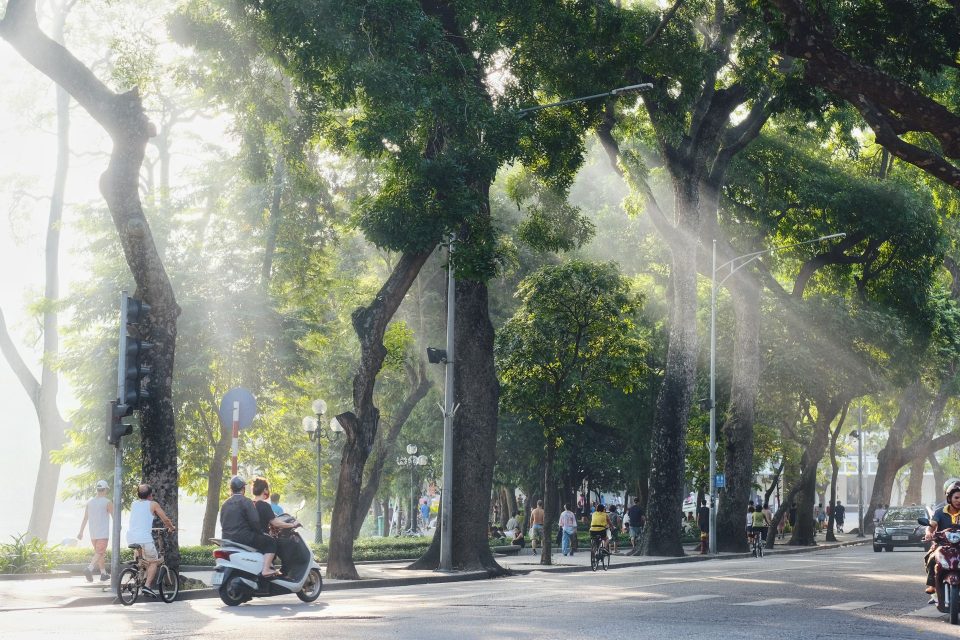
Services in Hanoi
-
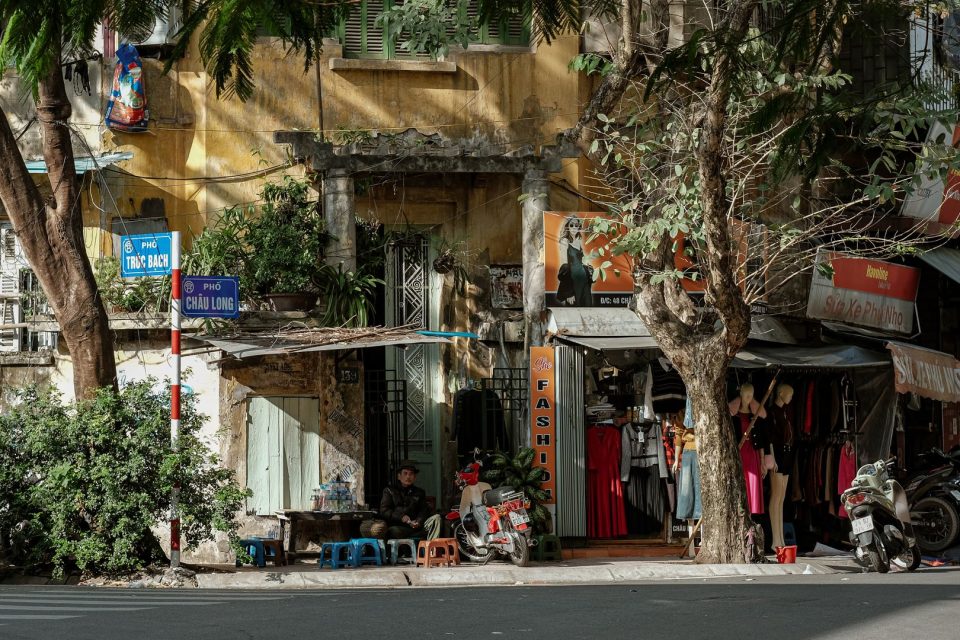
 Other tourism servicesHanoi
Phố Cổ Walks
Three hours on foot in the Old Quarter, in the morning, with a French-speaking guide. View the business profile
-
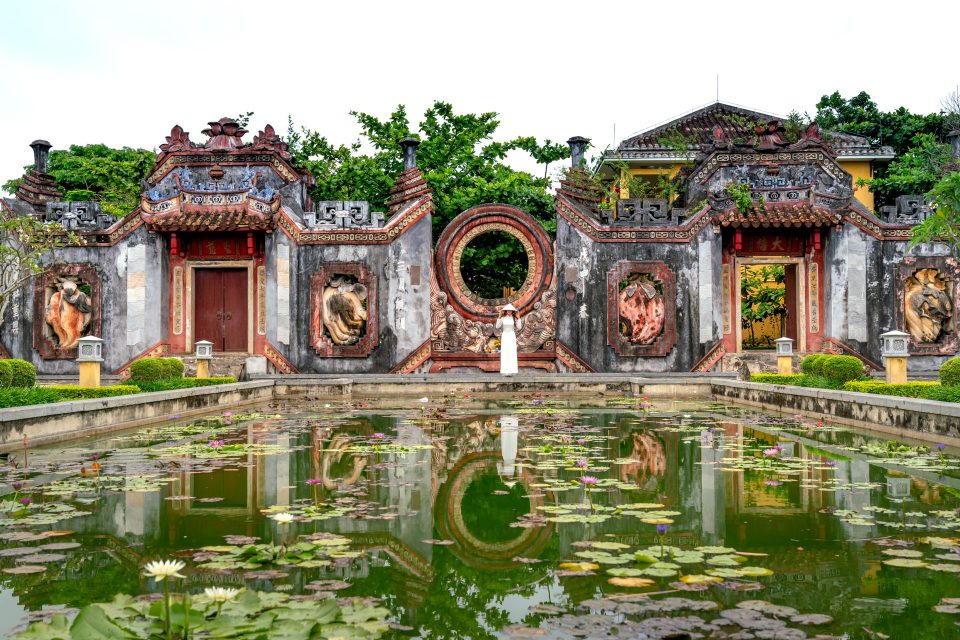
 Local agencies – DMCWhole country
Lotus d’Asie Voyages
Tailor-made trips for European travellers, with guides in all three regions. View the business profile
Itineraries passing through Hanoi
Itineraries that stop in Hanoi, focusing on a single region or crossing all three.
-
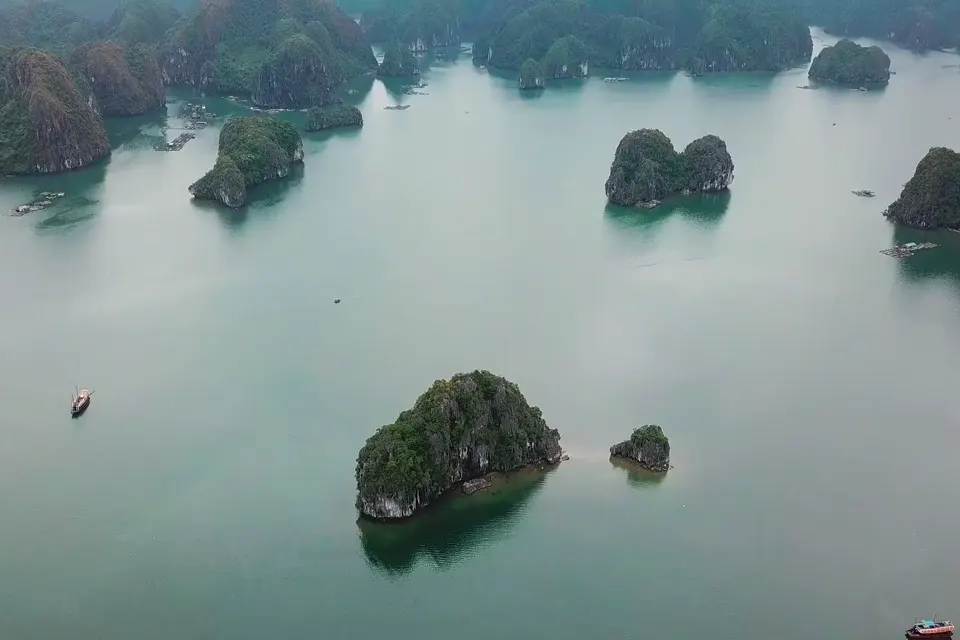 30 days
Cruises and a long relaxing stay
A cruise in the bay and seaside resorts. View details → -
 30 days
Vietnam in retirement
A gentle itinerary, with enough rest to savour each region. View details → -
 30 days
Off the beaten track: Ha Giang, Cao Bang
Stone roads and villages where few travellers set foot. View details → -
 20 days
Honeymoon: Ha Long – Hoi An – Con Dao
A limestone bay, an old town and a peaceful island, for two. View details →
Similar experiences
-
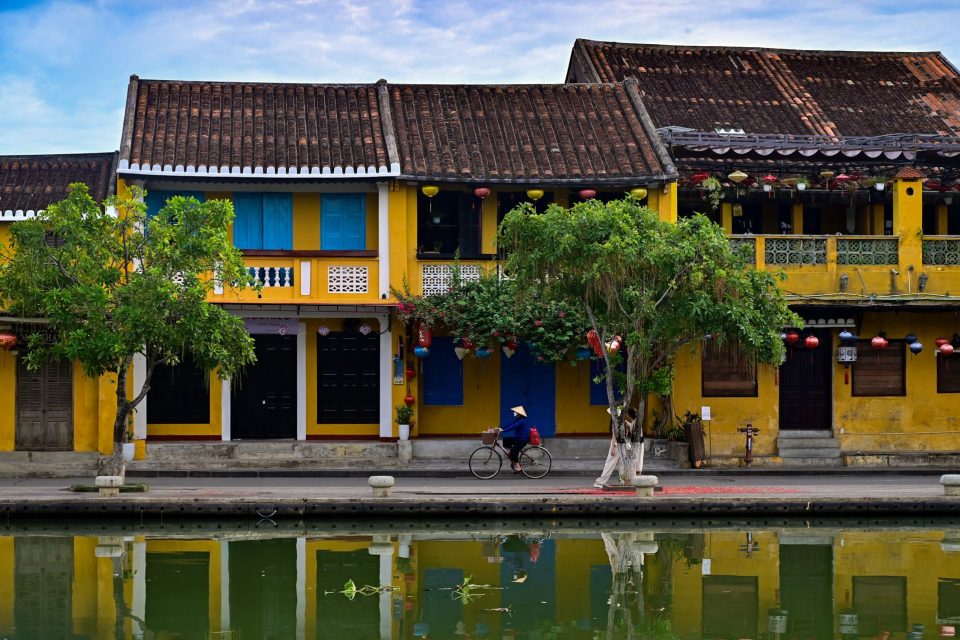 Tra Que Vegetable Village
By bike from the old town to the vegetable village of Tra Que
Set off while the streets are still quiet, ride through the fields to the vegetable village, learn to grow vegetables with the villagers, then stop off at An Bang beach. View the experience -
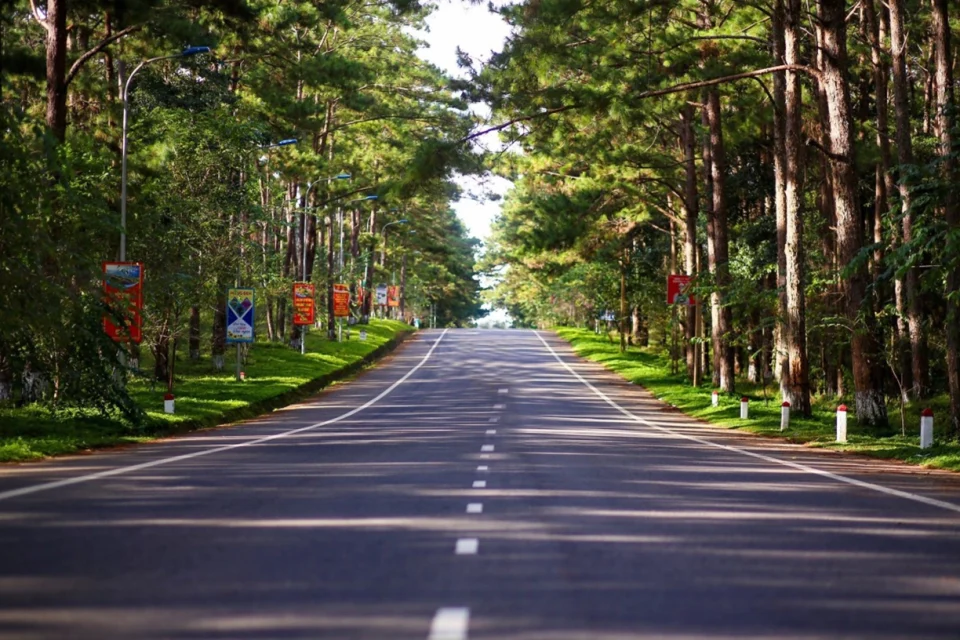 Kon Tum
Mang Den: high-altitude mists and the gentle forests of the Central Highlands
Located more than 1,200 metres above sea level in Kon Plông district, in the north of Kon Tum province, the small hill station of… View the experience -
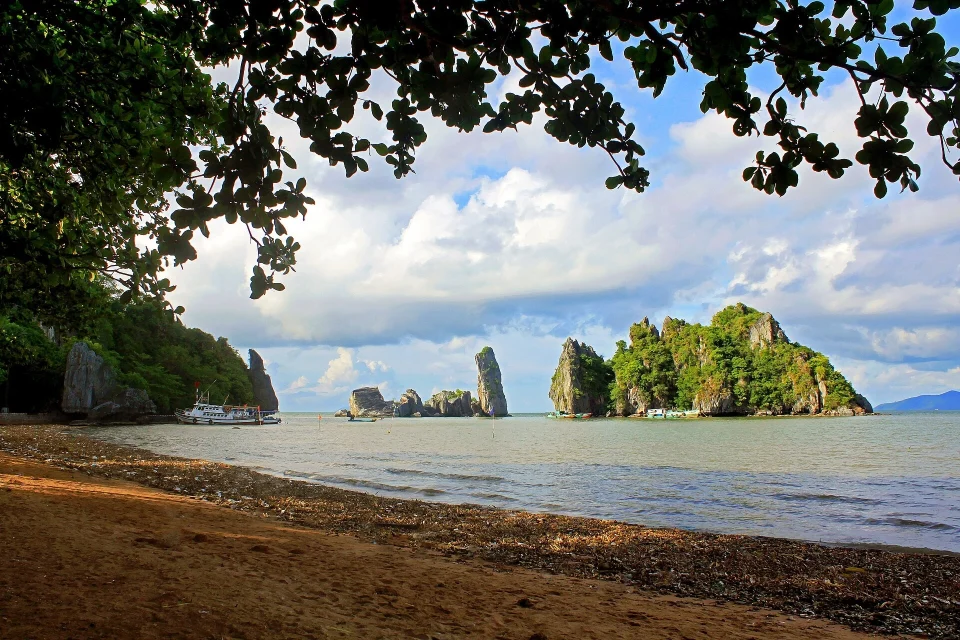 Phu Quoc
The Ha Tien coast: an immersion between pirate legends and the secret islands of the deep Mekong
Located at the north-western tip of Kiên Giang province, right on the border with Cambodia, the town of Hà Tiên stretches along the Vĩnh… View the experience -
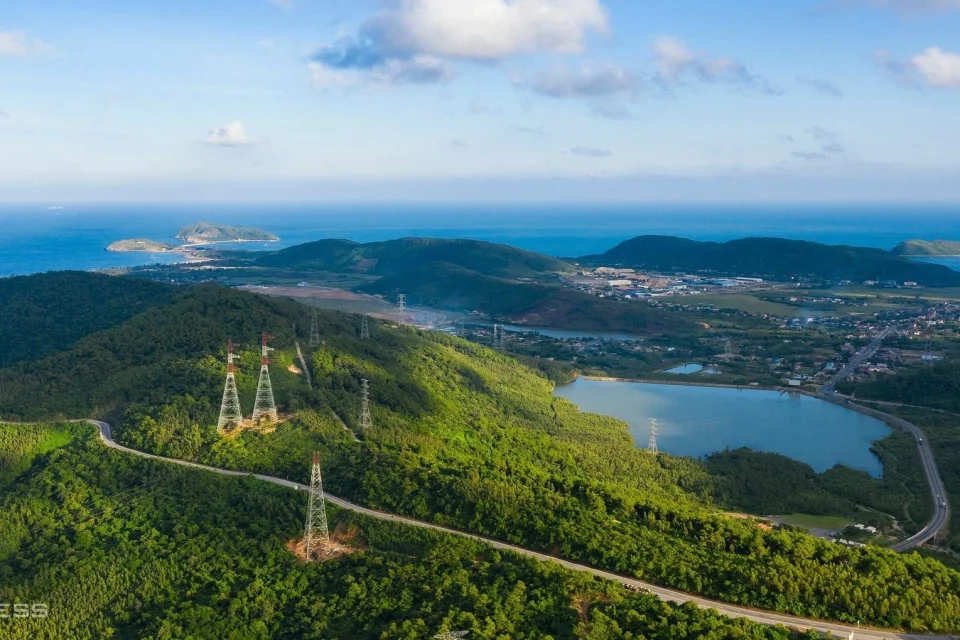 Phong Nha
Crossing the Deo Ngang Pass: exploring a historic and natural frontier of Vietnam
Photo: Nguyen Thanh Hai The Deo Ngang Pass, rising to an altitude of 256 metres at the top of the Hoành Sơn mountain range,… View the experience