

Why is Hanoi’s Old Quarter so unique?
- Recommended months
- March – april and september – november Spring · Autumn
Why try it?
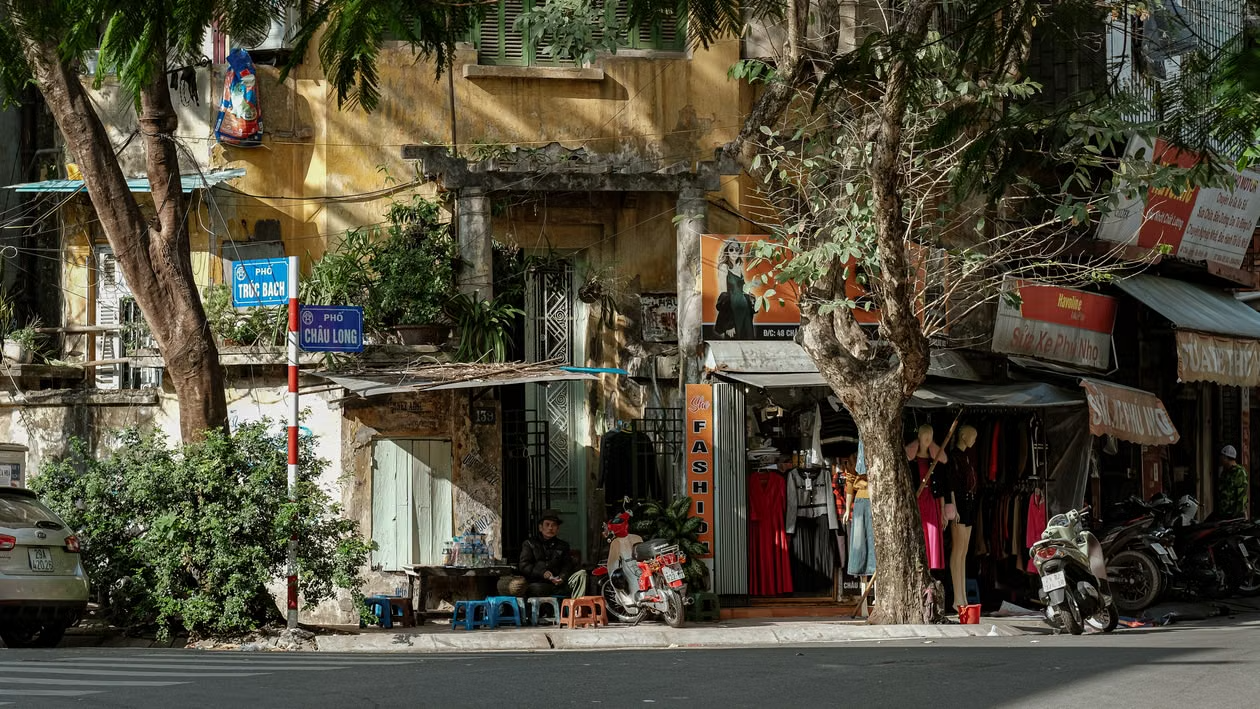
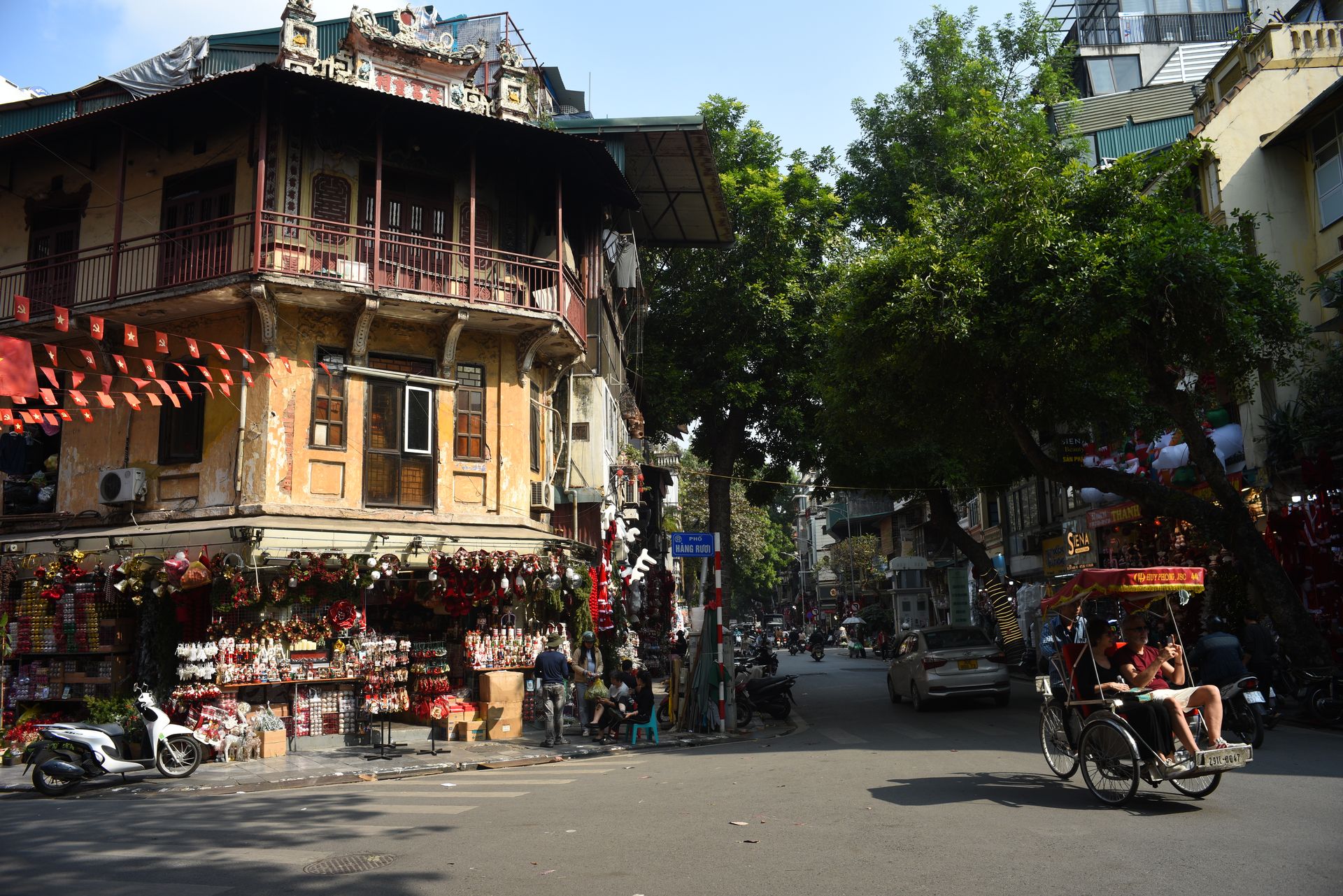
Also known by its historic name of the “36 guilds quarter” (36 phố phường), Hanoi’s Old Quarter is the beating economic and cultural heart of the Vietnamese capital. Lying on the edge of the famous Lake of the Restored Sword (Hồ Hoàn Kiếm) and once bordered by the Red River, this thousand-year-old maze of alleyways covers some 100 hectares in Hoàn Kiếm district.
Since its founding in the 11th century under the Lý dynasty, the area has constantly reinvented itself while keeping its original medieval layout based on the concept of “Hàng” workshop streets (meaning goods or products). For travellers, exploring the quarter on foot is a unique sensory and historical immersion, where daily life, ancestral crafts and gastronomy all play out directly on the pavement.
The Old Quarter’s iconic “Hàng” streets: stories, monuments and immersive experiences
The strength and originality of the Old Quarter lie in its specialised streets, whose names always begin with the word Hàng. Here is a selection of the most famous streets, revealing their historical secrets, hidden monuments and the unique experiences to be had there.
Hàng Bạc (Silver Street)
-
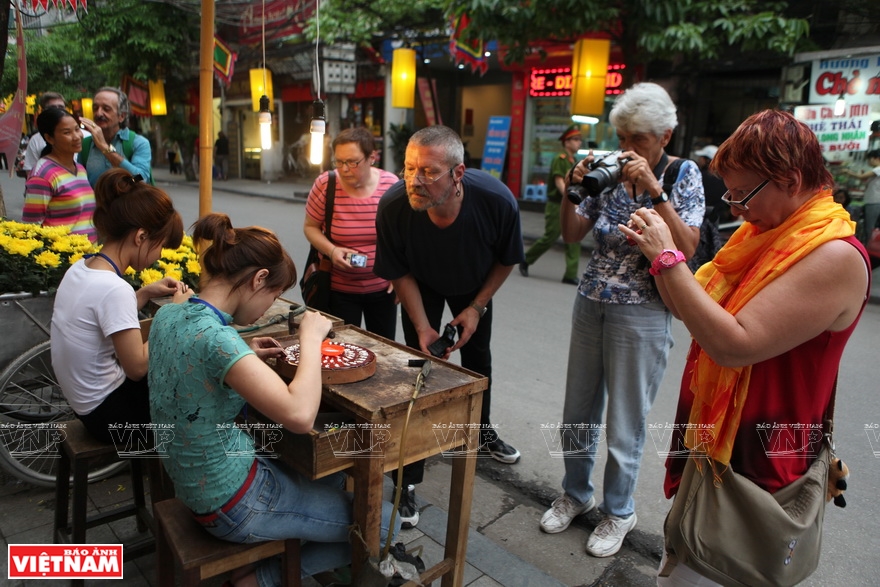
International tourists love Hang Bac street for its wide variety of exquisite jewellery. Photo: Phong Thu -
Historical feature: Founded in the 15th century under the Lê dynasty, this street was home to silver-ingot casters from Bắc Ninh province. Even today, it remains the vibrant heart of the capital’s silversmithing, jewellery and gold exchange.
-
To visit: The Kim Ngân temple (at no. 42). It is one of the largest guild temples in the quarter, dedicated to the patron saint of silversmiths. Recently restored, it boasts magnificent ironwood architecture and regularly hosts traditional music performances such as Ca trù.
-
To experience: Stroll at dusk to hear the metallic ring of the hammers of the last craftsmen shaping silver by hand, or step into a workshop to order a personalised piece of jewellery engraved using ancestral methods.
-
Hàng Mã (Votive Paper Street)
-

A giant dragon mascot on Hang Ma street during Tết last year. Photo: Thuy Trang. -
Historical feature: This is undoubtedly the most colourful and photogenic street in Hanoi. It specialises in making and selling papier-mâché and cardboard objects intended to be burned during family rituals for the dead (cars, clothes, paper banknotes).
-
The highlight: At Lunar New Year (Tết) or the Mid-Autumn Festival (Trung Thu), the street is transformed into an enchanting tunnel of red lanterns, traditional papier-mâché masks and handmade toys.
-
To experience: Buy a hand-painted bamboo mask depicting the Earth God (Ông Địa) or a traditional star-shaped lantern to support local craftsmanship while capturing memorable snapshots.
-
Hàng Gai (Silk Street)
-
Historical feature: Once devoted to hemp rope, Hàng Gai has been transformed over the decades into a luxurious showcase for high-quality Vietnamese silk, attracting fashion lovers from all over the world.
-
To discover: The magnificent traditional tailors’ shops and art galleries tucked away in old colonial houses.
-
To experience: Order a made-to-measure Áo dài (the traditional Vietnamese tunic). The expert tailors on this street can take your measurements and make a silk dress of rare elegance in less than 24 hours.
-
Hàng Đồng (Copper Street)
-
Historical feature: This street resounds with the activity of copper and bronze casters from the village of Ngũ Xã. It has kept an authentic industrial and artisanal atmosphere.
-
To visit: The shops spilling out onto the pavement, piled high with gleaming Buddha statues, gongs, incense burners and sacred vases.
-
To experience: Watch craftsmen working right on the ground as they chase and polish the metal. You can buy a small bronze gong or a pure-sounding bell for your home.
-
Hàng Thiếc (Tin Street)
-

Photo: TTXVN -
Historical feature: A guaranteed assault on the senses. Once devoted to working tin for ritual objects, the street has switched to shaping sheet metal, tinplate and stainless steel.
-
The street show: The rhythmic din of hammers striking metal sheets is striking. Craftsmen bend and solder metal at astonishing speed to make cake moulds, storage boxes and watering cans.
-
To experience: Have a personalised cake mould or a small made-to-measure metal box made on the spot – an unusual, inexpensive souvenir straight from the street’s know-how.
-
Hàng Đường (Sugar Street)
-
Historical feature: Once the nerve centre of the trade in sugar cane and molasses, this street is today a paradise of Hanoians’ childhood flavours.
-
Not to be missed: Ô mai (dried candied fruit, marinated with salt, sugar, chilli and ginger). It is the quintessence of Hanoian treats. Historic shops such as Gia Lợi or Tiến Thịnh offer dozens of varieties (apricots, plums, star fruit).
-
To experience: Enjoy a free tasting of different types of Ô mai with a cup of hot tea to appreciate the subtle balance of sour, sweet and spicy flavours that locals love.
-
Hàng Hòm (Chest Street)
-
Historical feature: Once specialised in making travel trunks and lacquered wooden chests, the street has brilliantly adapted to become Hanoi’s main centre for lacquerware.
-
To admire: The lacquer galleries that light up the street with their shimmering reflections, from eggshell bowls to exquisitely fine wall paintings.
-
To experience: Learn to tell genuine traditional lacquer (made from the sap of the lacquer tree) from industrial lacquer thanks to the passionate explanations of the shop owners, and buy a magnificent mother-of-pearl inlaid jewellery box.
-
Hàng Quạt (Fan Street)
-
Historical feature: Although the paper and feather fans that earned it royal renown have all but disappeared, the street now specialises in embroidered banners, Buddhist ritual objects and red-and-gold lacquered wooden altars.
-
To discover: The open-air woodcarving workshops, where you can see statues of deities being carved before being covered in fine gold leaf.
-
To experience: Admire the meticulous work of the embroiderers who stitch intricate dragon and phoenix motifs by hand in gold thread on red velvet, for temples or traditional festivals.
-
Hàng Dầu (Oil Street)
-
Historical feature: Formerly known for selling vegetable oils and lamp oil, it has been completely transformed into a huge market for trainers and walking shoes.
-
To visit: The Bốt Hàng Dầu water tower. Standing at the end of the street, this grey stone historic monument was built in 1894 by French engineers. It looks like a medieval fortress and is one of the city’s oldest industrial relics.
-
To experience: Stop for photos beneath the century-old trees surrounding the water tower, then treat yourself to some shopping for hiking boots or trainers at unbeatable prices.
-
Hàng Buồm (Sail Street)
-

22 Hang Buom Cultural and Arts Centre. Photo: Việt Văn -
Historical feature: Once located near the old Tô Lịch river where boats moored, this was where sails and ropes were sold. Today it is one of the liveliest streets for nightlife, famous for its street food.
-
To visit: The former Hội quán Quảng Đông (22 Hàng Buồm Cultural Space). This beautifully restored Sino-Vietnamese architectural masterpiece now hosts contemporary art exhibitions and traces the history of the quarter.
-
To taste: At weekends, the street becomes pedestrianised and comes alive with a night food market. Sit down on a plastic stool to enjoy grilled skewers, steaming bún chả or a glass of local draught beer (bia hơi).
-
Why is Hanoi’s Old Quarter so special?
The Old Quarter’s worldwide appeal is not just down to its visual charm, but to unique features that make it a masterpiece of human urbanism:
An intact guild-based social structure
Unlike Western historic centres that have become gentrified or turned into frozen museums, Hanoi’s Old Quarter remains an authentic place to work and live. The medieval concept of grouping craftsmen by guild so they could help one another still works. The high density of shops selling exactly the same goods on the same street creates a fascinating commercial and human synergy.
“Tube houses” (Nhà ống): an architectural feat
To get around royal taxes calculated on the width of the street frontage, residents developed extremely narrow houses (often 2 to 3 metres wide) but of dizzying depth (up to 60 metres). These homes stretch inwards through small open-air inner courtyards that bring in light and coolness, ingeniously combining shop, workshop and family living quarters.
A vibrant pavement culture
In Hanoi, the boundary between private and public space is porous. The pavement is the residents’ living room, kitchen and workshop. People make egg coffee (cà phê trứng), wash the dishes, repair motorbikes and haggle there. This bustling street life gives the quarter an incredible and infectious vitality.
Conclusion
Hanoi’s Old Quarter and its famous “Hàng” streets form a priceless intangible heritage. Far from being a frozen postcard backdrop, it is a vibrant, noisy, fragrant and deeply human urban organism. It is this unique combination of the spiritual devotion of its alleyway temples, the architectural creativity of its tube houses and the craftsmen’s loyalty to their heritage that gives the quarter an incomparable soul. Losing yourself here is to treat yourself to the finest journey through time and into the heart of Vietnamese identity.
Where: Hanoi
A thousand-year-old quarter on the shores of Hoan Kiem Lake
- HanoiPhường Hoàn Kiếm, Thành phố Hà Nội
- Nearest airport and stationNoi Bai International Airport (Hanoi), about 22 km · Hanoi Railway Station
- NearbyTam Dao, Ninh Binh, Mai Chau
Services in Hanoi
-
 Other tourism servicesHanoi
Phố Cổ Walks
Three hours on foot in the Old Quarter, in the morning, with a French-speaking guide. View the business profile
-
 Local agencies – DMCWhole country
Lotus d’Asie Voyages
Tailor-made trips for European travellers, with guides in all three regions. View the business profile
Itineraries passing through Hanoi
Itineraries that stop in Hanoi, focusing on a single region or crossing all three.
-
 15 days
The great classic from north to south
The great classic from north to south in 15 days, via Hanoi, Ha Long Bay, Ninh Binh, Phong Nha, Hue, Hoi An, Ho Chi Minh City and Can Tho: day-by-day programme, route map, best season, budget and travel agencies able to organise it. View details → -
 30 days
Cruises and a long relaxing stay
A cruise in the bay and seaside resorts. View details → -
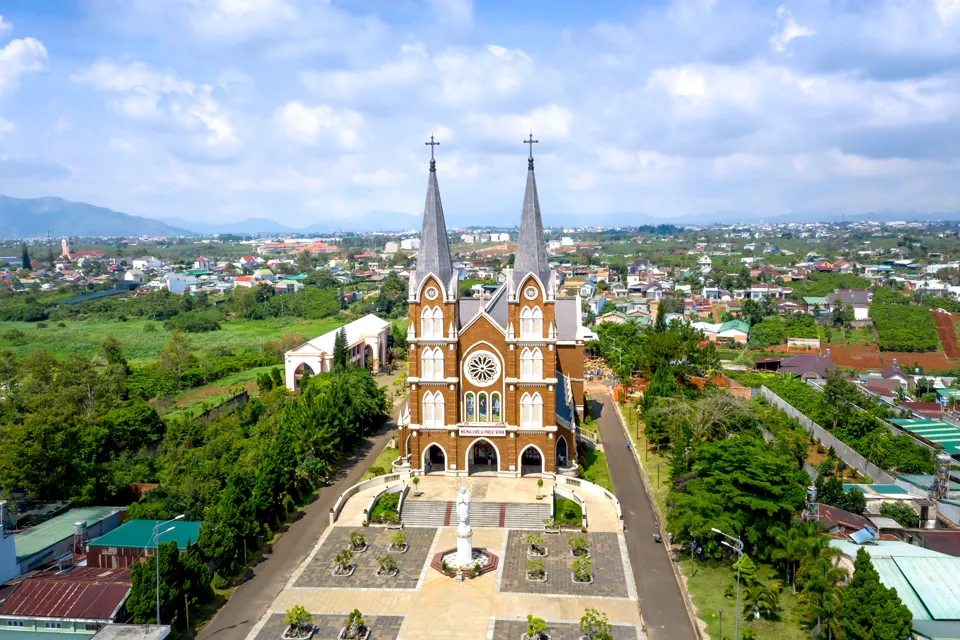 30 days
Vietnam in retirement
A gentle itinerary, with enough rest to savour each region. View details → -
 30 days
Off the beaten track: Ha Giang, Cao Bang
Stone roads and villages where few travellers set foot. View details →
Related stories
-
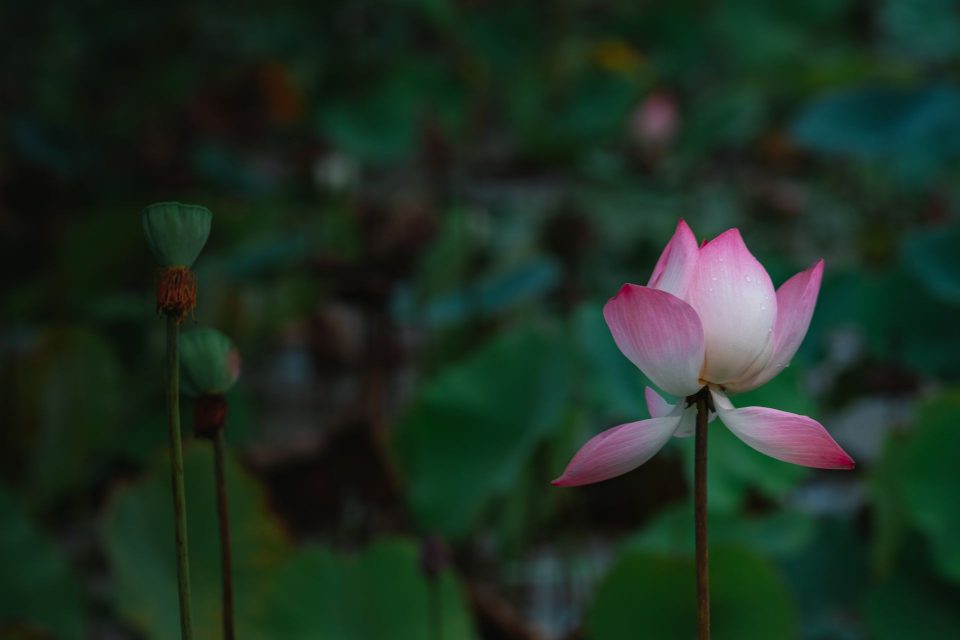 Story Hanoi
The craft of making lotus-scented tea, national intangible cultural heritage
A true symbol of the art of living in the thousand-year-old capital, the traditional making of Tây Hồ lotus-scented tea has just been officially… Read the story -
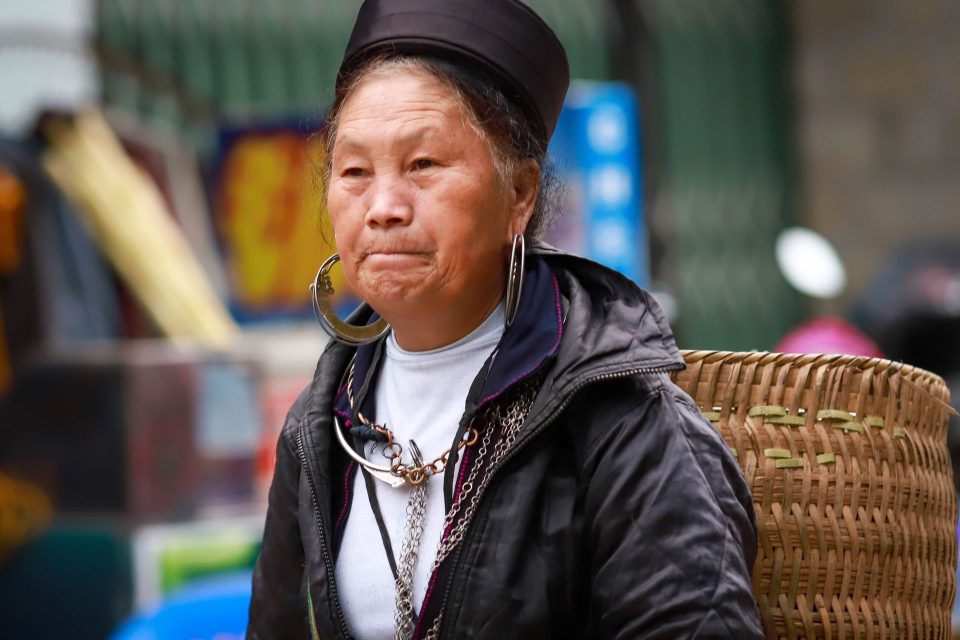 Report Ha Giang
The costumes of the Red Dao: between aesthetics, creativity and heritage
The Red Dao are part of the Dao ethnic group, one of Vietnam's 53 ethnic minorities. They live mainly in the mountainous northern provinces… Read the report -
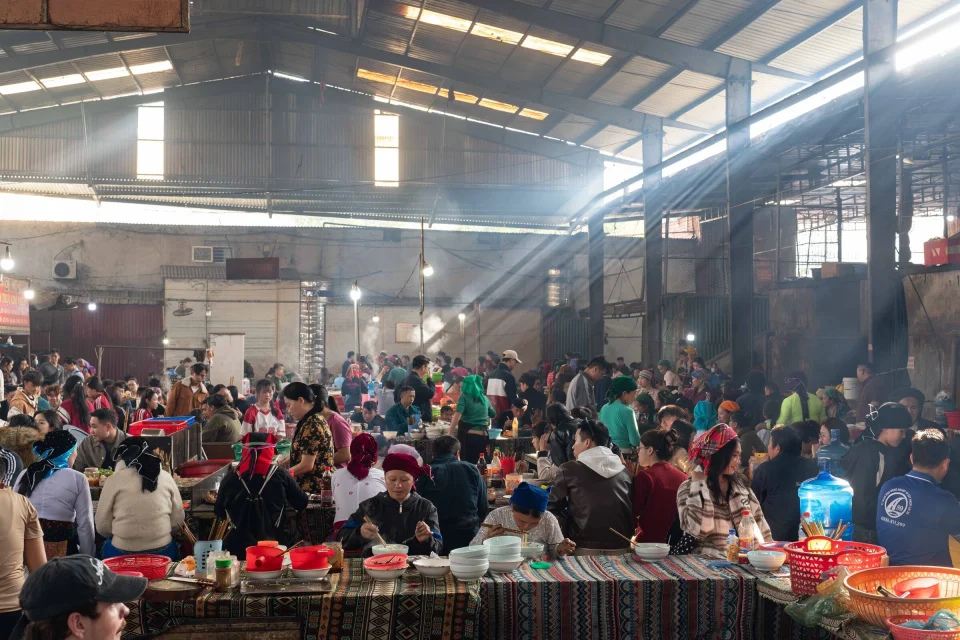 Report Ha Giang
Going to Mèo Vac to immerse yourself in the culture of the North-West
Nestled in the heart of the famous Đồng Văn limestone plateau, in Hà Giang province in the far north of Vietnam, Mèo Vạc district… Read the report
Similar experiences
-
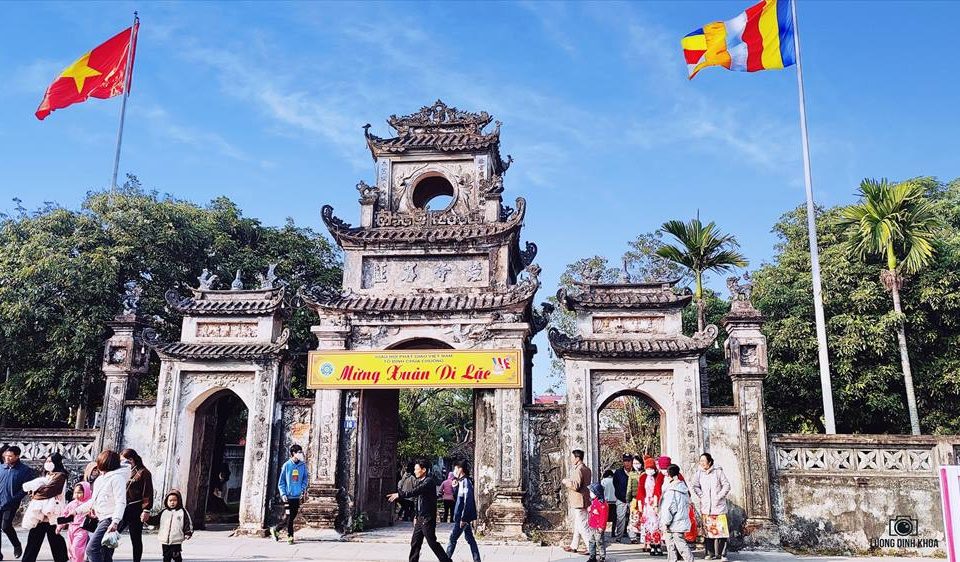 Hanoi
The stones of Pho Hien: when Tonkin architecture tells of centuries of international trade
Located on the left bank of the Red River, about 60 kilometres south-east of the capital Hanoi, the city of Hung Yen is home… View the experience -
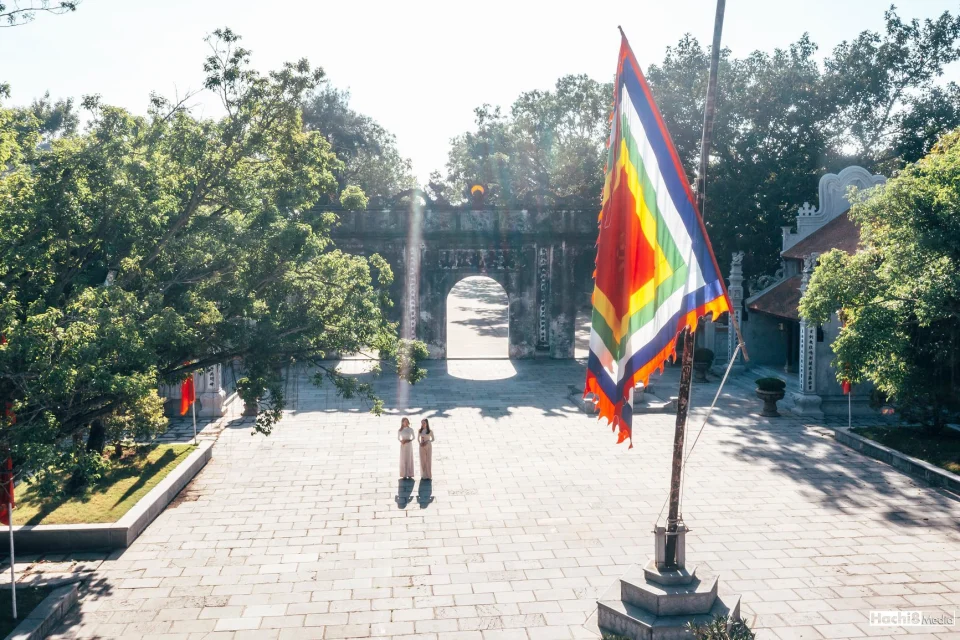 Hanoi
Through the gates of Con Son-Kiep Bac: a journey to the heart of Hai Duong’s historic and spiritual sanctuary
Photo: Ngo Huy Hoa Located about 80 kilometres north-east of Hanoi, in Chi Linh district, the Con Son-Kiep Bac heritage complex is one of… View the experience -
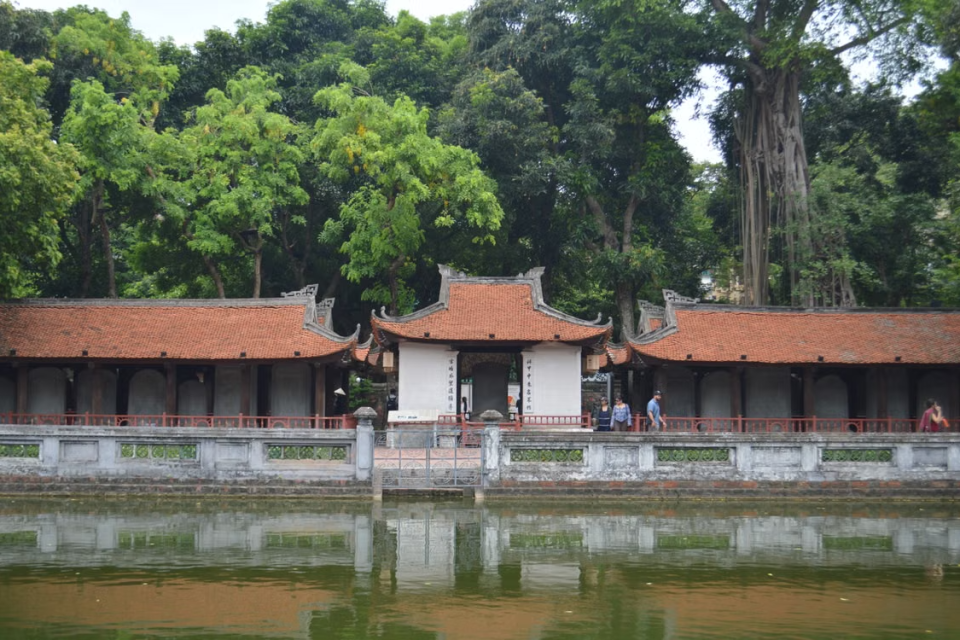 Hanoi
The Temple of Literature in Hanoi: the preserved harmony of stone, wood and knowledge
Founded in 1070, the Temple of Literature (Văn Miếu - Quốc Tử Giám) is one of the most visited historic complexes in Hanoi. Located… View the experience