

The Ha Tien coast: an immersion between pirate legends and the secret islands of the deep Mekong
- Recommended months
- November – april Spring · Autumn · Winter
Why try it?
Located at the north-western tip of Kiên Giang province, right on the border with Cambodia, the town of Hà Tiên stretches along the Vĩnh Tế canal and opens onto the calm waters of the Gulf of Thailand. Founded in the early 18th century by the Chinese general Mac Cuu, this border town was long a major commercial and cultural hub, immortalised in Vietnamese literature for the beauty of its ten classic landscapes. Hà Tiên stands out for its unique plural identity, born of centuries of coexistence between the Vietnamese, Khmer and Chinese communities. For travellers exploring the deep Mekong Delta, this destination offers a coastal and mountainous alternative of great historical richness, still untouched by mass tourism.
Geographical location and getting there from the regional hubs
Hà Tiên is easy to include in an itinerary through southern Vietnam thanks to the development of the region’s road and sea networks. Located about 90 kilometres from Rạch Giá and 350 kilometres from Ho Chi Minh City, the town is served daily by comfortable scheduled buses running overnight or during the day. For travellers arriving by air, Rạch Giá airport is the nearest gateway. Hà Tiên is also a major logistical hub for reaching Phú Quốc island, with regular fast ferry services making the crossing in just one hour and fifteen minutes. Once there, hiring a scooter or using the local cyclos makes it easy to get around between the various sites, most of which lie within a radius of less than ten kilometres.
The four main sights and unmissable stops in Hà Tiên
To help you plan your stay, here are the four most accessible geographical and cultural sites that best represent the local diversity:
The memorial complex and tombs of the Mac family (Lăng Mạc Cửu)

The tombs of the Mac family. Photo: Hoang Giam
Set against the wooded slopes of Mount Bình San, this historic site is home to the tombs and the temple dedicated to Mac Cuu, the founder of the town, and to his descendants who ruled the region. Visitors discover perfectly preserved traditional Chinese architecture, with paved courtyards, circular gateways and shrines adorned with ancestral tablets in precious wood. A short climb along the mossy path that winds up the hill leads to the tombs carved directly into the rock and offers an open panorama over the surrounding rice fields and inlets. A visit to this complex, particularly peaceful early in the morning, provides the essential keys to understanding how this territory became part of the kingdom of Đại Việt.
The wild isolation and maritime history of the Pirate Archipelago (Đảo Hải Tặc)

Photo: Di Vy
Located about 28 kilometres off the coast of Hà Tiên, this archipelago of some fifteen islands and islets owes its unusual name to the hideouts of the buccaneers who intercepted the merchant ships sailing the trade routes of the Gulf of Thailand between the 17th and 19th centuries. It takes just over an hour by local boat from the town’s pier to reach Hòn Đốc, the main island. There, travellers discover an authentic and peaceful island way of life, shaped by coastal fishing and aquaculture. A walk along the island’s only ring road lets you admire fine sandy beaches shaded by wild trees, visit the historic sovereignty stele erected in the 1950s, or hire a fisherman’s boat to explore the surrounding deserted islets and try your hand at catching sea urchins.
The geological symbol and legend of Hòn Phụ Tử islet

Photo: Dao Nguyen
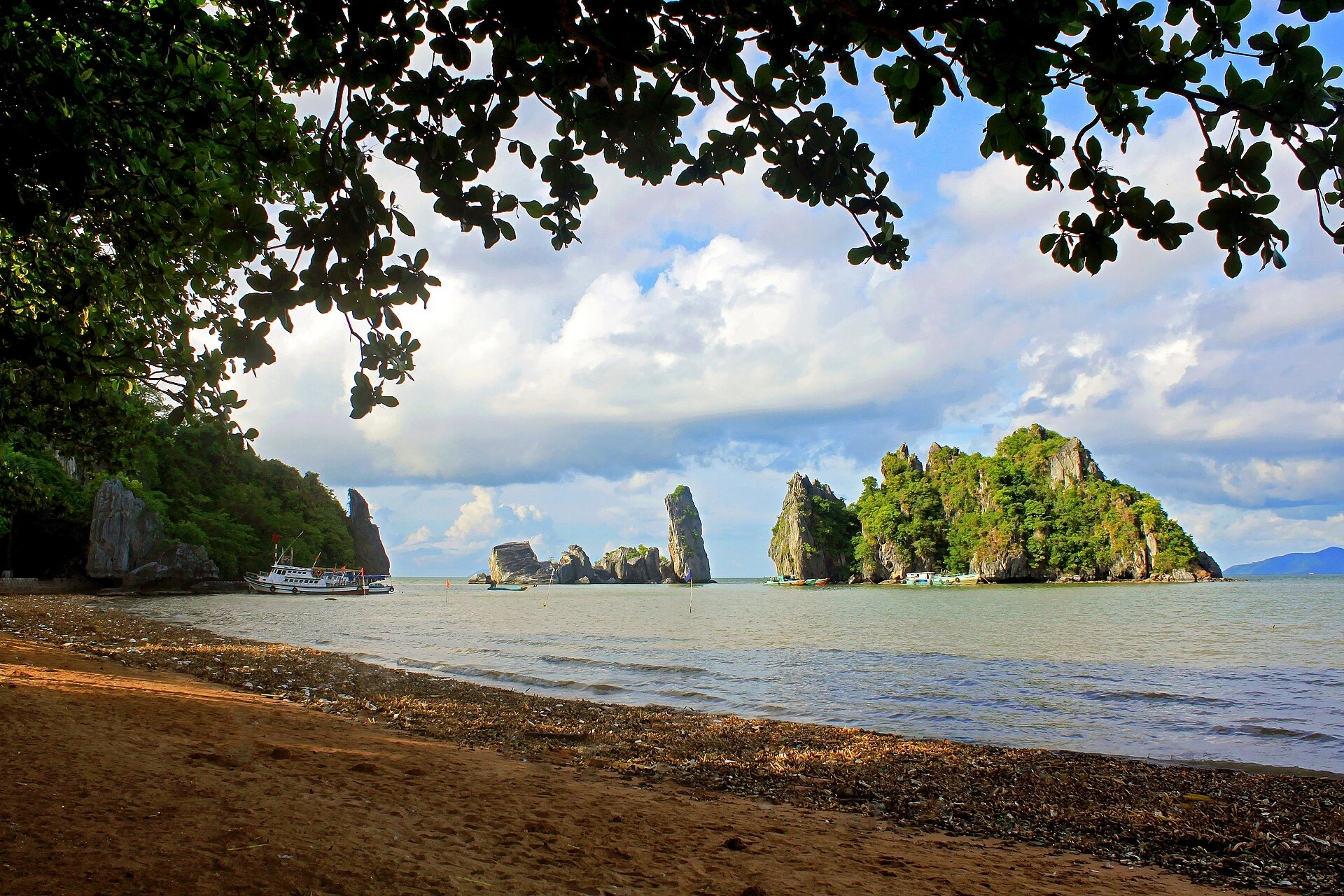
Located in the Hòn Chông tourist area, a few kilometres south of the town centre, Hòn Phụ Tử islet is an emblematic limestone formation rising straight out of the coastal waters, often regarded as the symbol of Kiên Giang province. This twin rocky pinnacle, evoking the silhouette of a father and his son standing against the waves, is linked to a famous local legend of family devotion in the face of sea monsters. Although the main pinnacle (“the Father”) collapsed naturally through erosion in 2006, the site retains great mystical and visual significance, surrounded by the cave pagoda of Hang and steep karst cliffs. Travellers can view this natural monument from the shady beach or hire boats to sail up close to the rocky hollows that characterise this stretch of coastline.
Relaxing by the sea on the shores of Mũi Nai beach

Mui Nai beach. Photo: Hoang Giam
Located about six kilometres from the town centre, Mũi Nai beach is one of the few easily accessible sandy stretches of coastline in the mainland Mekong Delta. Its particularity lies in its alluvial sand, a dark brown colour that gives the water unique dark reflections and is very rich in nutrients and minerals. Lined with coconut palms and small local restaurants, this cove sheltered from the strong offshore waves is ideal for a swim in the late afternoon. Travellers can settle into the deckchairs to enjoy fresh seafood caught that very morning by the local fishing fleets, while watching the sun set over the Gulf of Thailand.
Climate and the best time for a coastal stay
Hà Tiên has a tropical coastal monsoon climate, divided into two distinct seasons that affect the clarity of the water and the comfort of outdoor excursions. The best time to plan a stay is from December to April, during the dry season, with stable daytime temperatures of around 28 to 32 degrees and consistently blue skies, ideal for beach activities and temple visits. The rainy season, from May to November, brings regular rainfall, often in the form of heavy late-afternoon downpours that cool the air but can disrupt boat connections to the islands. September and October call for particular caution because of the risk of high tides and temporary flooding on the plains.
The preserved balance of an exceptional border stopover
Hà Tiên draws its contemporary value from its ability to maintain a harmonious balance between its economic development as a border town and the safeguarding of its rich multicultural heritage. The conservation of its historic monuments, combined with the simplicity of its maritime and agricultural life, guarantees travellers an authentic and intimate travel experience. This destination is an essential stop for anyone wishing to grasp the human and historical complexity of southern Vietnam, offering vivid testimony to the symbiosis between peoples along the shores of the Gulf of Thailand.
Where: Phu Quoc
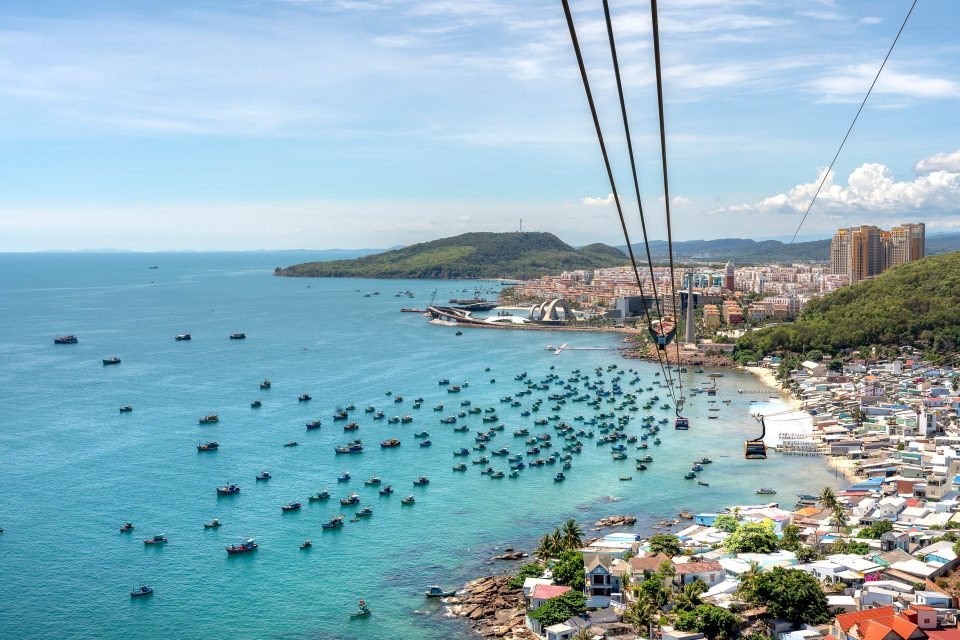
White sandy beaches and days by the sea
- Phu QuocĐặc khu Phú Quốc, Tỉnh An Giang — former Kien Giang province
- Nearest airport and stationPhu Quoc International Airport, about 6 km · Saigon Railway Station
- NearbyChau Doc, Ca Mau, Can Tho

Itineraries passing through Phu Quoc
Itineraries that stop in Phu Quoc, focusing on a single region or crossing all three.
-
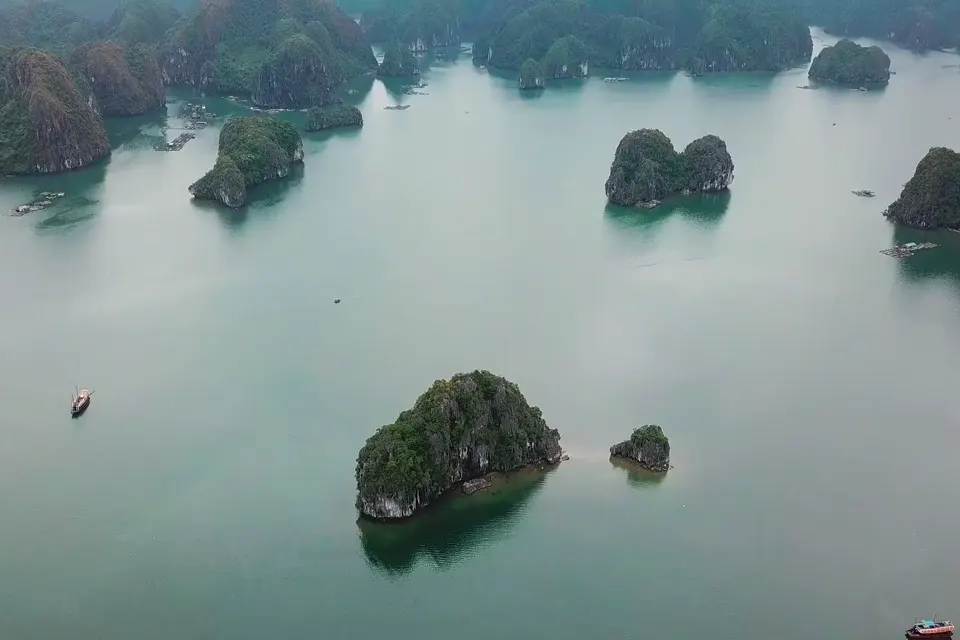 30 days
Cruises and a long relaxing stay
A cruise in the bay and seaside resorts. View details → -
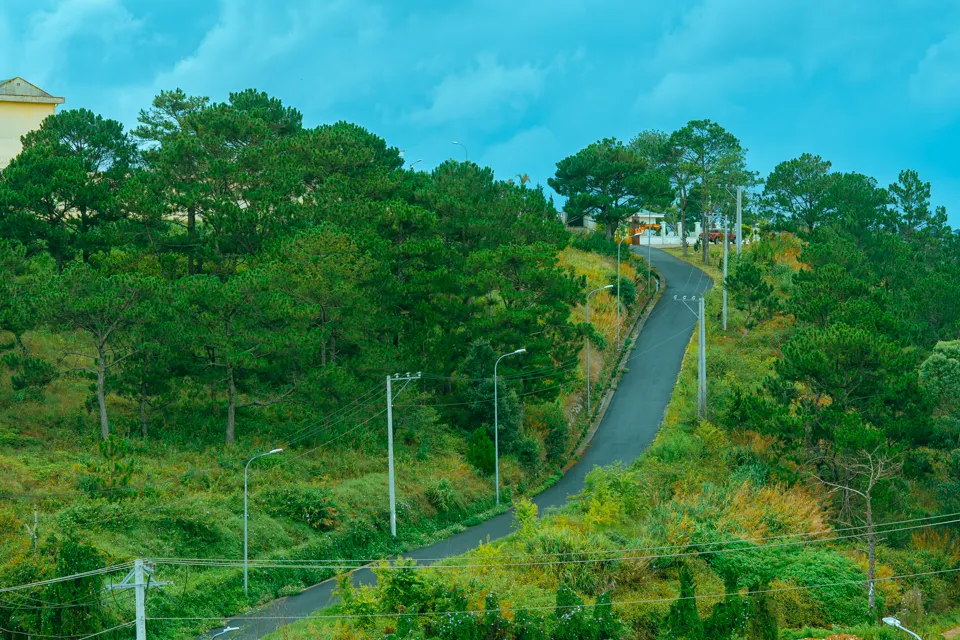 20 days
Da Lat – Phu Quoc
The cool air of the highlands and the islands of the South, for days of complete serenity. View details → -
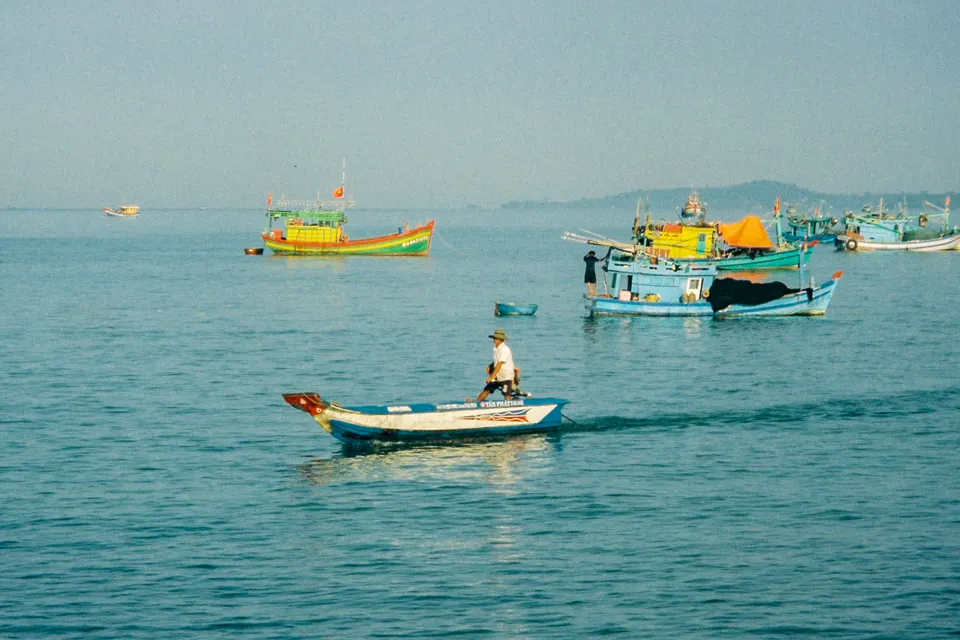 10 days
A relaxing stay on Phu Quoc
Unhurried days by the sea, rounded off by sunset over the Gulf of Thailand. View details →
Similar experiences
-
 Tra Que Vegetable Village
By bike from the old town to the vegetable village of Tra Que
Set off while the streets are still quiet, ride through the fields to the vegetable village, learn to grow vegetables with the villagers, then stop off at An Bang beach. View the experience -
 Kon Tum
Mang Den: high-altitude mists and the gentle forests of the Central Highlands
Located more than 1,200 metres above sea level in Kon Plông district, in the north of Kon Tum province, the small hill station of… View the experience -
 Phong Nha
Crossing the Deo Ngang Pass: exploring a historic and natural frontier of Vietnam
Photo: Nguyen Thanh Hai The Deo Ngang Pass, rising to an altitude of 256 metres at the top of the Hoành Sơn mountain range,… View the experience -
 Hanoi
A stay at Thien Cam beach: immersed in an unspoilt bay in Ha Tinh
Photo: Ha Tinh Journal The coast of Ha Tinh province, around 400 kilometres south of Hanoi, is home to one of the most distinctive… View the experience