

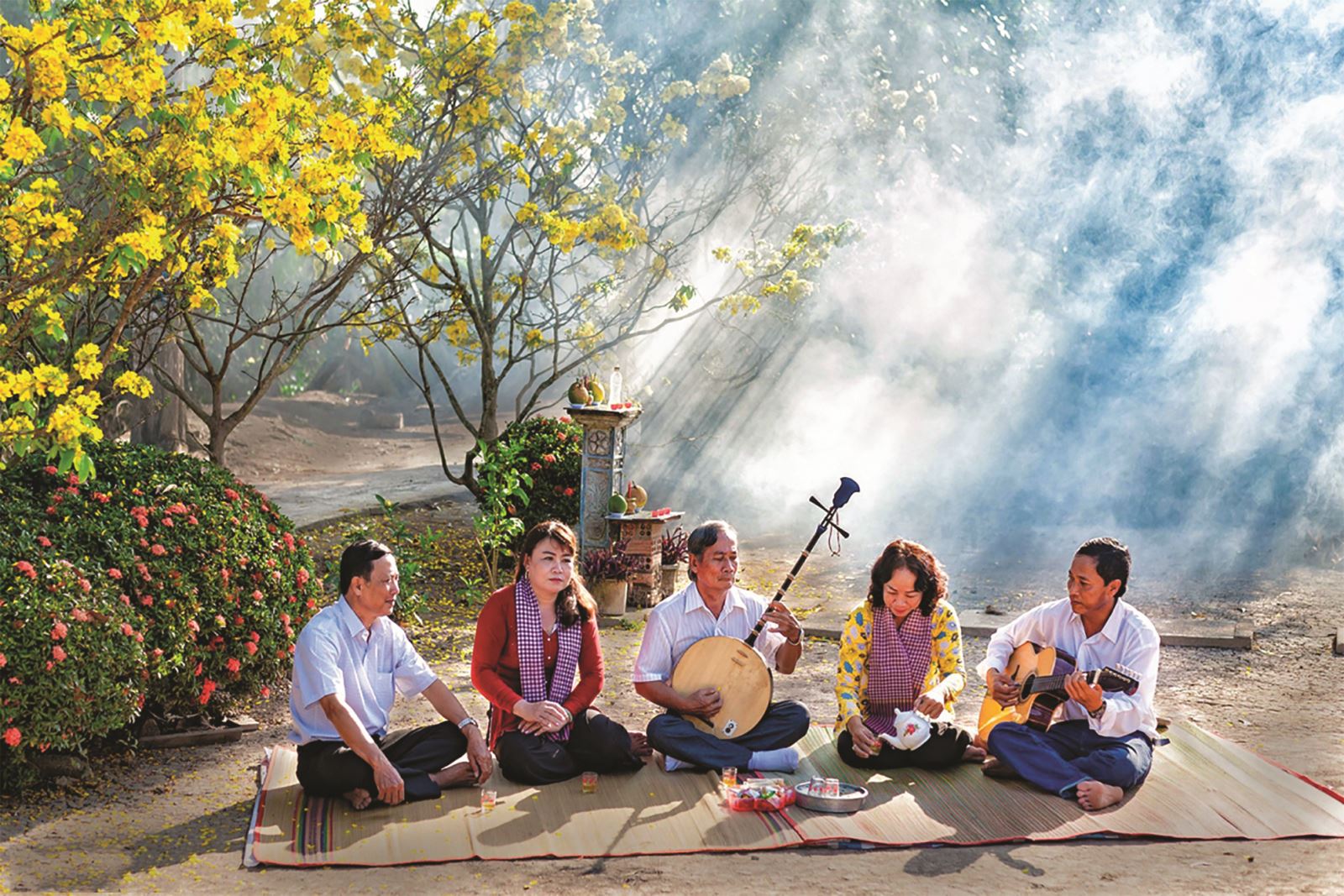
“Đờn ca tài tử”, a true Vietnamese cultural treasure
“Đờn ca tài tử” (amateur music of the South) is rooted in the cultural and spiritual life of the people of the southern region. Ten years after its recognition by UNESCO as Intangible Cultural Heritage of Humanity, Vietnam continues to preserve and promote this art.
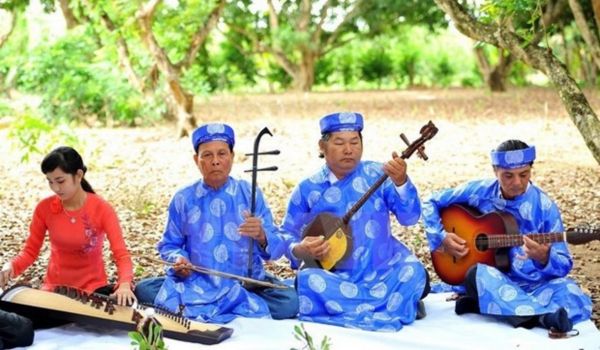

Composer Do Thanh Phuong, a member of the Tay Ninh Provincial Association of Literature and Arts, performs traditional music as part of a Don Ca Tai Tu class (traditional folk music of southern Vietnam) in Tan Ninh ward. Photo: VNA
“Đờn ca tài tử” is a unique folk art of southern Vietnam. Local people, rich or poor, men or women, old or young, perform “đờn ca tài tử” songs. This musical art is mainly performed at festivals, or for rituals, weddings, funerals…
According to researchers, this art form emerged at the end of the 19th century. It has its origins in the court music of Hue (the former imperial capital) and quickly became a traditional folk music genre of the South.
According to UNESCO, “this musical art with both scholarly and popular roots is an essential element of the spiritual life and cultural heritage of the people of southern Vietnam. The music and songs echo the way of life and work in the fields and rivers of the Mekong Delta”.

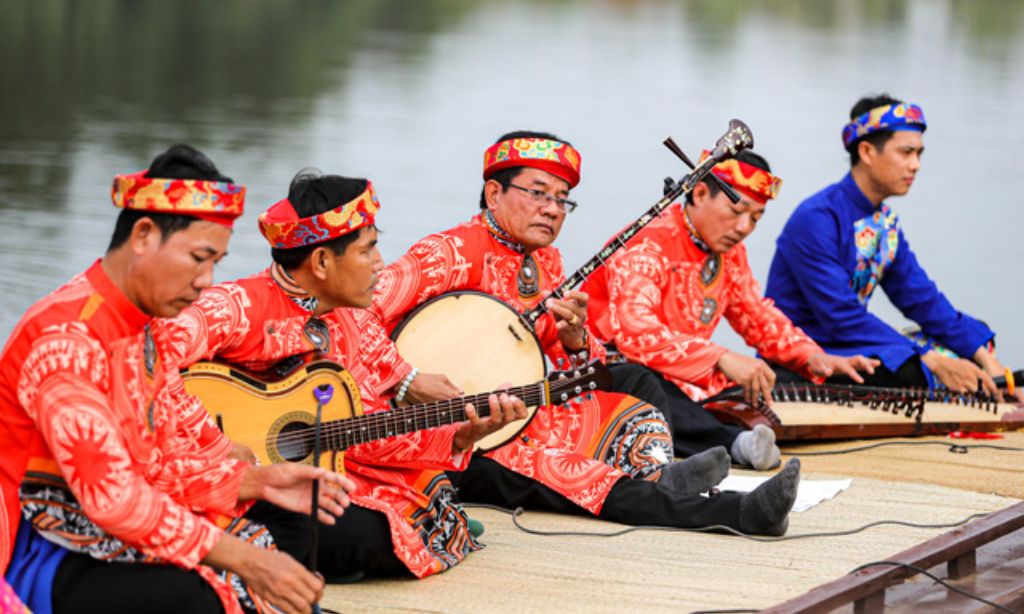
A performance of traditional southern Vietnamese folk music by local people of southern Vietnam – Photo: Vnexpress
It is performed on many occasions and is deeply linked to other cultural customs, oral traditions and craftwork. It is played on a wide variety of instruments, including the moon-shaped lute, the two-string fiddle, the sixteen-string zither, the pear-shaped lute, percussion, the monochord and the bamboo flute.
During performances, singers interpret the traditional songs in their own style, which allows this art to keep evolving despite its two centuries of existence and makes every performance unique.

Composer and Meritorious Artist Huynh Khai – Photo: Composer Huynh Khai
1.Vitality of the heritage
As well as Vietnamese people, international tourists visiting the country also appreciate this musical art for its traditional, authentic and romantic character.
For more than 20 years, southern provinces and cities such as Ho Chi Minh City, Bac Liêu, Soc Trang and Cà Mau have organised an annual artistic exchange programme to promote the development of “đờn ca tài tử”.
Particular attention has been paid to it and significant investment has been made to support it. Ho Chi Minh City is the country’s largest centre for training and research in this art.
There are two institutions that train professional artists: the traditional music department of the Ho Chi Minh City Conservatory and the Faculty of Traditional Theatre and Singing at the University of Theatre and Cinematography.
The city has also organised many events, such as the Ho Chi Minh City children’s “đờn ca tài tử” festival, the Ho Chi Minh City “đờn ca tài tử” festival, the “đờn ca tài tử” composition competition…
In addition, many training programmes have been run at the Dinh Tiên Hoàng and Nguyên Thai Binh primary schools in District 1, at Doàn Thi Diêm primary school in District 4, at Giông Ông Tô secondary school in Thu Duc City, at Duc Tri and Bùi Thi Xuân schools in District 1, and at the cultural centres of the Cu Chi, Cân Gio and Hoc Môn districts.
Ho Chi Minh City also runs specific programmes for this folk art, notably through a project to preserve and promote the values of the intangible cultural heritage of “đờn ca tài tử” for the period 2018-2020. The project was approved by the Municipal People’s Committee in March 2018 to strengthen educational activities and raise public awareness of the protection and development of the values of cultural heritage and traditional southern music.
According to the Municipal Department of Culture and Sports, the city will soon introduce policies to encourage artisans and artists to carry out tourism development projects linked to “đờn ca tài tử”.
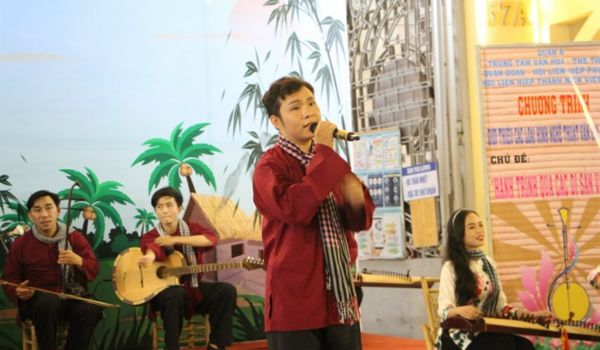

The Cao Van Lau theatre (also known as the Three Conical Hats theatre) is an iconic landmark of Bac Lieu province, located on Hung Vuong square. Photo: S.H.T.
2.Training future generations
Dr Mai My Duyên, one of the leading musicologists of the South, said that after the recognition of “đờn ca tài tử” by UNESCO as world heritage, she proposed seven initiatives to develop this folk art. These include training artists to raise awareness among the population, especially young people, as well as creating favourable conditions for practising, creating and teaching folk music in schools, and developing clubs and communities to enrich the cultural and spiritual life of local people.
Meritorious Artist Huynh Khai, former head of the traditional music department of the Ho Chi Minh City Conservatory of Music, expressed his delight at the growth of “đờn ca tài tử” clubs that are attracting more and more young people. “Cultural institutions must seek out talent, bring it together and create favourable conditions to help these artists improve their skills”, he added.
Nguyên Minh Thuân, 23, a graduate of the dàn kim or dàn nguyêt (moon-shaped lute) and dàn tranh (16-string zither) department of the city’s Conservatory of Music, is one of the young members of the city’s “đờn ca tài tử” club. He studied “đờn ca tài tử” for nine years and can now earn his living from music. He hopes that more theatres will bring young people to traditional music.
In his view, Ho Chi Minh City should host “đờn ca tài tử” performances every weekend in the heart of the city, in pedestrian streets, museums and parks, to promote Vietnamese folk music and attract tourists.
It can be said that “đờn ca tài tử” is the “soul” of the cultural heritage of the South. It is not only an art form that reflects the cultural traits and the simple, friendly, generous and affectionate character of the peoples of the South, but it also has a great capacity to bring the community together. As a result, it still retains a strong vitality and remains immortal within the nation’s cultural life.
Source: Thuy Hà/Le courrier du Vietnam
Last checked Suggest a correction