

Sailing on Hoa Binh Lake: where the waters of the Black River meet the heritage of the peaks
Why try it?
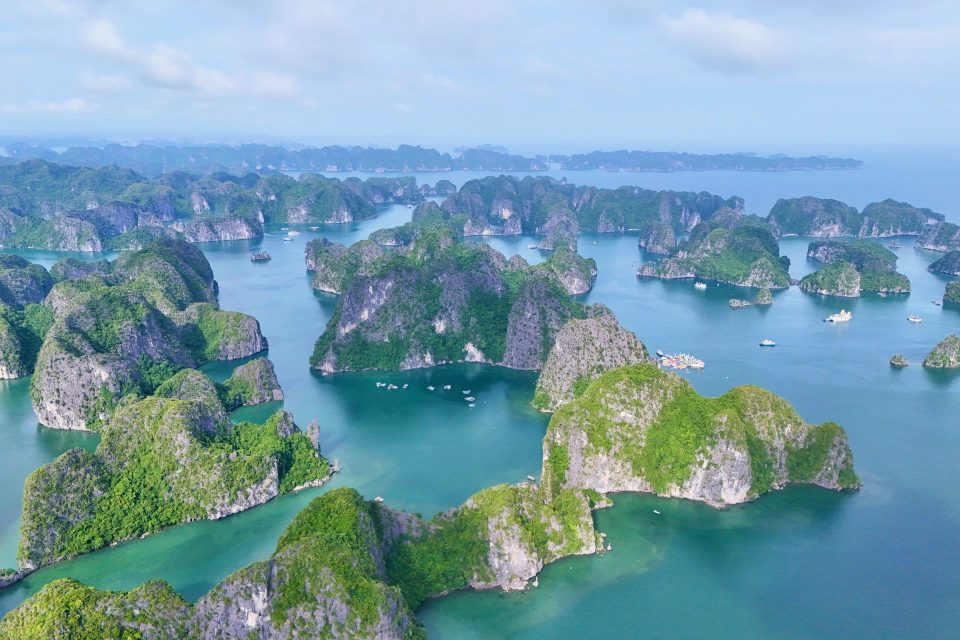
Located about 80 kilometres south-west of the capital, Hanoi, Hoa Binh Lake is Vietnam’s largest artificial freshwater reservoir, created by the construction of the hydroelectric dam of the same name on the Black River at the end of the 20th century. This gigantic body of water, which stretches for more than 70 kilometres and spans some ten communes across Hoa Binh province, has blended perfectly into the region’s rugged terrain. Its unique topography is characterised by hundreds of limestone islands and islets rising from deep water, which regularly earns it the nickname of the mountain Ha Long Bay. For travellers looking to combine the freshness of highland landscapes with immersion in the cultures of ethnic minorities, this lakeland area is a strategic stop that is easy to reach from the main hubs of the North.
Geographical location and getting there
Hoa Binh Lake slots smoothly into a travel itinerary thanks to the good road links between the capital and the mountains of the North-West. From Hanoi, the drive along the Hoa Lac expressway takes less than two hours to reach Hoa Binh city, which marks the gateway to the site. To explore the lake itself, travellers usually head to the main Thung Nai pier or to the Bich Ha pier, both about twenty kilometres from the city centre. From these river ports you can board local shuttles, motorboats or medium-sized cruise boats. The lake’s proximity to the tourist valley of Mai Chau and the Pu Luong nature reserve makes it possible to plan a complete circuit focused on ecotourism and the discovery of karst landscapes.
Major sights and memorable experiences on Hoa Binh Lake
The Hoa Binh Lake basin is home to natural areas of great geological value and cultural villages that are easy for visitors to reach.
Sailing in the Thung Nai area and the temple of the goddess of the Black River
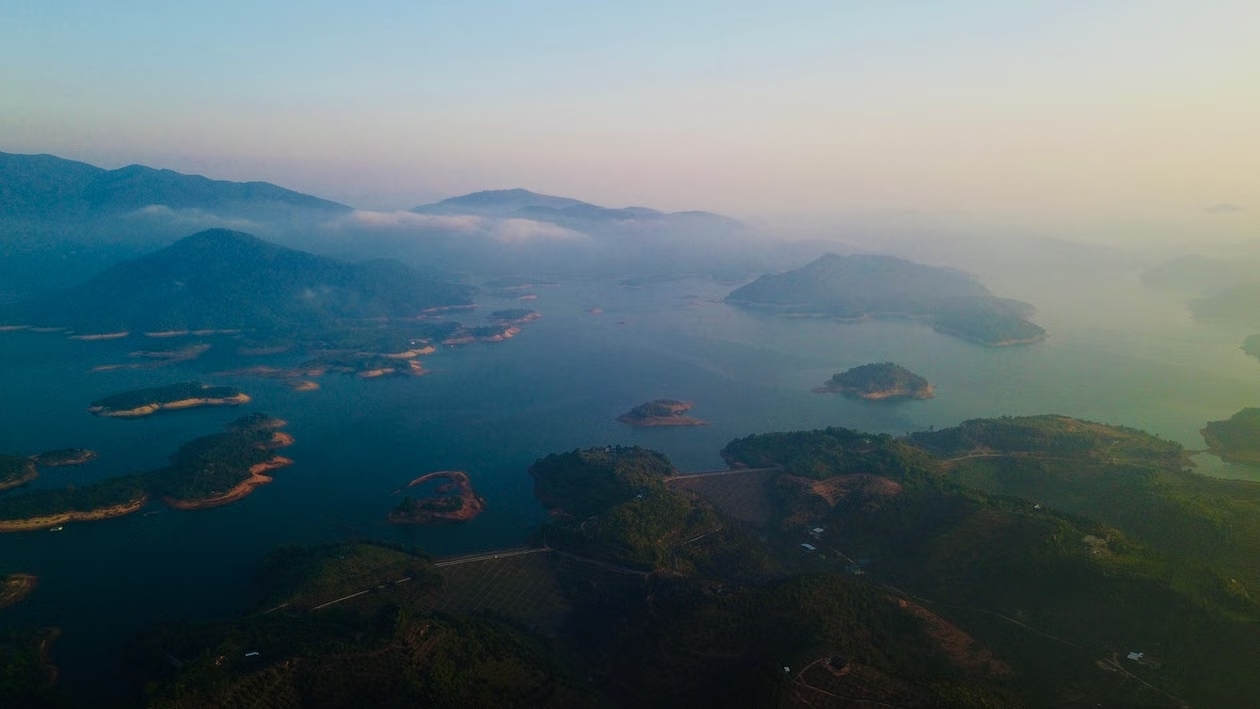
Photo: Peter Marie
Regarded as the most spectacular part of the reservoir, the Thung Nai area offers a landscape of sheer limestone peaks rising from the calm, clear waters of the lake. A boat trip lets you weave your way among these stone giants and stop at the temple of the goddess of the Black River (Đền Bà Chúa Thác Bờ), a major spiritual site anchored on a rocky island.

Thac Bo temple stands with its back to the mountain, facing the vast lake. Photo: Huyen Anh
Pilgrims and travellers gather here to honour the memory of the Muong and Dao women who helped transport supplies during historic military campaigns. The site is particularly lively during the first months of the lunar year, when the traditional Hầu Đồng spirit possession rituals take place to the rhythm of traditional gongs.
Cultural immersion in the ethnic village of Ngoi

The village lies between the mountains and a vast lake. Photo: asahitravel
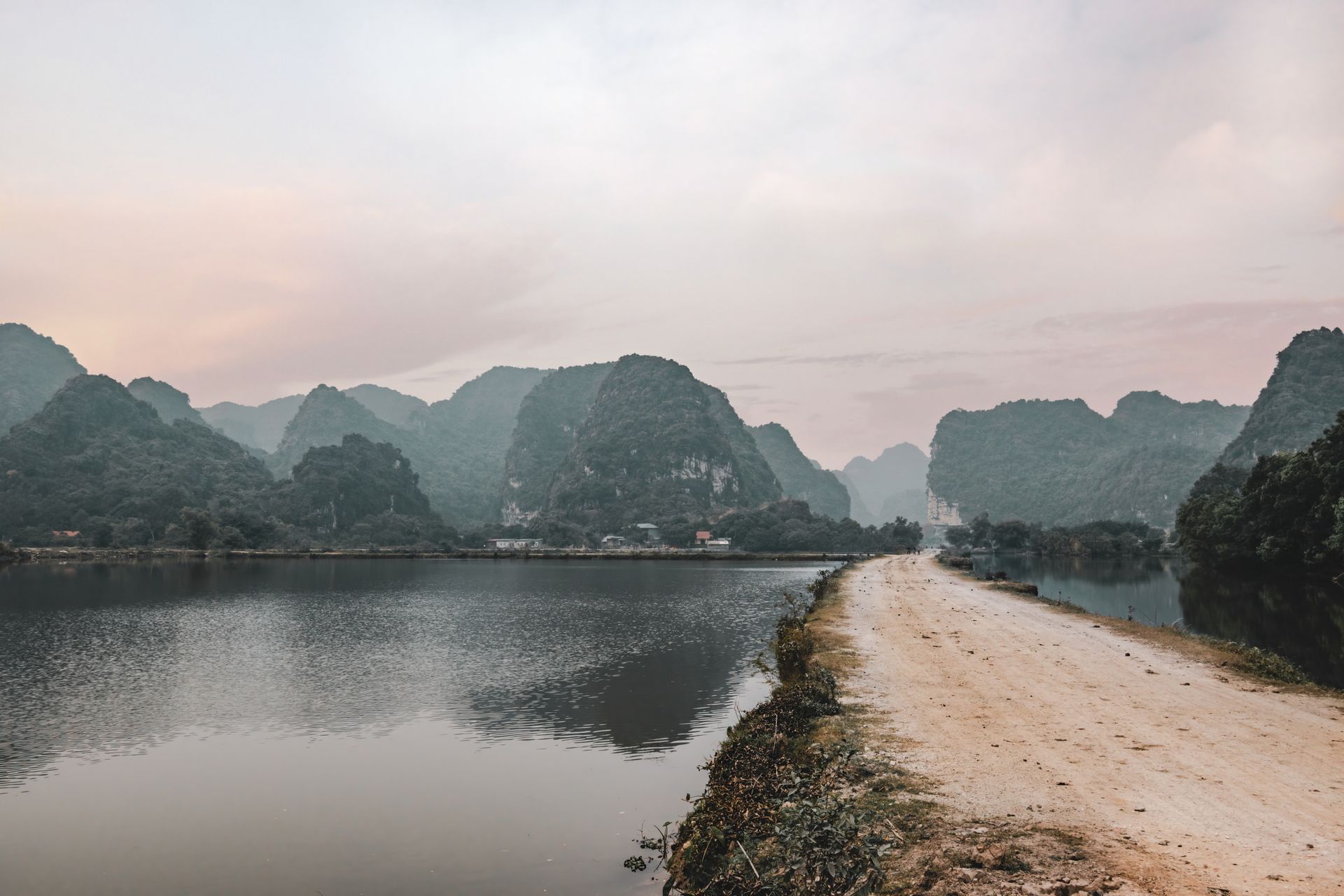
Nestled at the far end of a sheltered bay and ringed by limestone cliffs, the village of Ngoi is one of the few Muong settlements to have kept its original social and architectural organisation. The village can only be reached by water, which has helped to preserve its tranquillity. Visitors can see traditional stilt houses built of wood and bamboo, with thatched roofs. The village footpaths wind through maize fields and fruit plantations, offering the opportunity to chat with the residents about their traditional weaving and tool-making techniques, far from any artificial tourist staging.
Exploring Thac Bo cave and its limestone formations

Photo: Tran Thanh Loan
Located right next to the Thung Nai boat routes, Thac Bo cave reaches deep into the side of a limestone mountain. This natural cavity, reached after a short climb up stone steps from the water’s edge, is divided into several inner chambers containing a complex network of stalactites and stalagmites. Walkways make it easy to move around inside the cave and admire the shapes sculpted by seeping water over the centuries. The visit offers constant underground coolness, a very welcome refuge from the heat during the hot summer season.
Climate patterns and the best season for your stay
The climate around Hoa Binh Lake benefits from the influence of the northern mountains, with clear seasonal variations that change the look of the landscapes and the water level. The period from September to April is the cool dry season, with mild average temperatures ranging between 15 and 24 degrees. It is the best season for hiking along the shores and for photography, as the morning mist often wraps the rocky peaks in a mystical atmosphere. Summer, from May to August, brings warm temperatures ideal for swimming, kayaking and water sports, with the reservoir at its highest level. Travellers should, however, keep an eye on the weather forecast in July and August, when bouts of torrential rain can sometimes restrict sailing conditions.
The balance of a water and human heritage
Hoa Binh Lake owes its singularity to its dual nature, combining the rigour of a historic industrial development with the gentleness of preserved mountain scenery. The environmental regulations applied to the lake limit the establishment of polluting industries, which guarantees clear water and the survival of the local aquatic wildlife. The destination is an essential stop for travellers in search of wide open spaces and authenticity, offering a perfect balance between observing lakeside ways of life and contemplating one of the most impressive river landscapes in northern Vietnam.