

Travel guide to Ben Tre, the land of coconut palms
(Photo: Nguyễn Văn Hoàn)
Ben Tre is a province in the Mekong Delta, bordering the provinces of Tien Giang, Vinh Long and Tra Vinh and the South China Sea. Located 85 km west of Ho Chi Minh City, Ben Tre is a true haven of greenery, surrounded by rivers and canals, making it a popular tourist destination for lovers of the Mekong Delta.
What is the best season to visit Ben Tre?
Located in the south-west of the Mekong Delta, Ben Tre enjoys a hot, sunny climate all year round. Tourists can visit at any time of year, but the ideal period is during the summer months, from June to August. This is when you can admire the colourful natural landscapes and taste fresh fruit picked straight from the tree, such as mangosteen, durian and rambutan.
How to get there:
From Ho Chi Minh City, head to the Western Bus Station to find a bus company that suits your needs. Prices range from 85,000 to 140,000 VND. The journey takes between 1 hr 30 min and 2 hrs.
Alternatively, you can travel by motorbike or car and stop whenever you like to admire the scenery. It is best to leave early in the morning or after 9 am (as traffic is heavy between 6 and 8 am). Follow National Highway 1A to the city of My Tho, cross the Rach Mieu bridge and turn right to reach Ben Tre town centre.
You can also choose a tailor-made excursion from travel agencies in Ho Chi Minh City for a hassle-free sightseeing trip.
What to see?
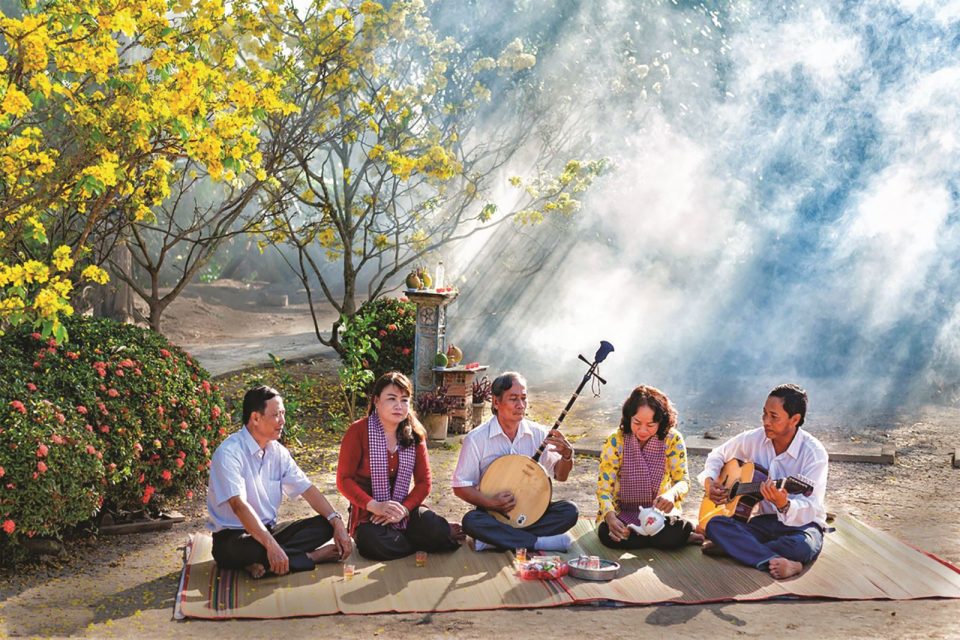
Quy Island, located in Chau Thanh district, is renowned for its delicious fruit and seafood. It is the smallest of the “four sacred islands” of the Mekong Delta. On Quy Island, tourists can also enjoy performances of traditional folk music from southern Vietnam.
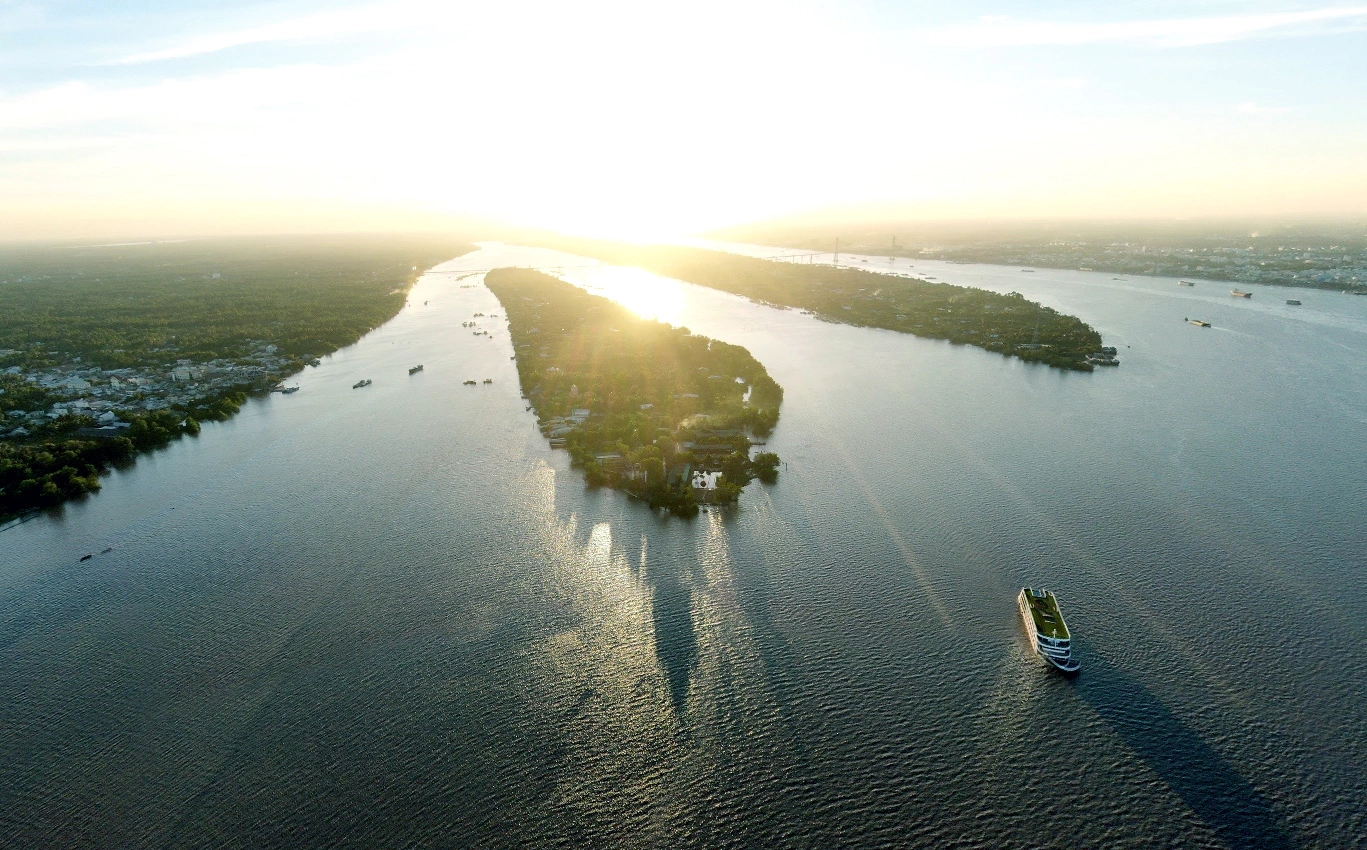
Phung Island lies on an islet in the middle of the Tien River, in Tan Thach commune, Chau Thanh district. Here, visitors can take a motorboat around the islet and visit coconut candy workshops and souvenir shops, or ride in a horse-drawn carriage through the orchards, stopping at a thatched cottage to sip honey and kumquat tea and enjoy tropical fruit. Popular activities include crocodile fishing and bottle-feeding carp.
(Photo: KKday)
See also: Con Phung Island in Ben Tre: a travel guide to the heart of the Mekong Delta’s orchards
Two main orchards are worth visiting: the Cai Mon orchard in Cho Lach and the Tien Long orchard in Tan Phu, Chau Thanh district. You can enjoy the cool, green surroundings of the orchards and taste fresh fruit that you have picked yourself and eaten on the spot. The ticket price includes entry to the orchard and all-you-can-eat fruit tasting; buying souvenirs is compulsory.
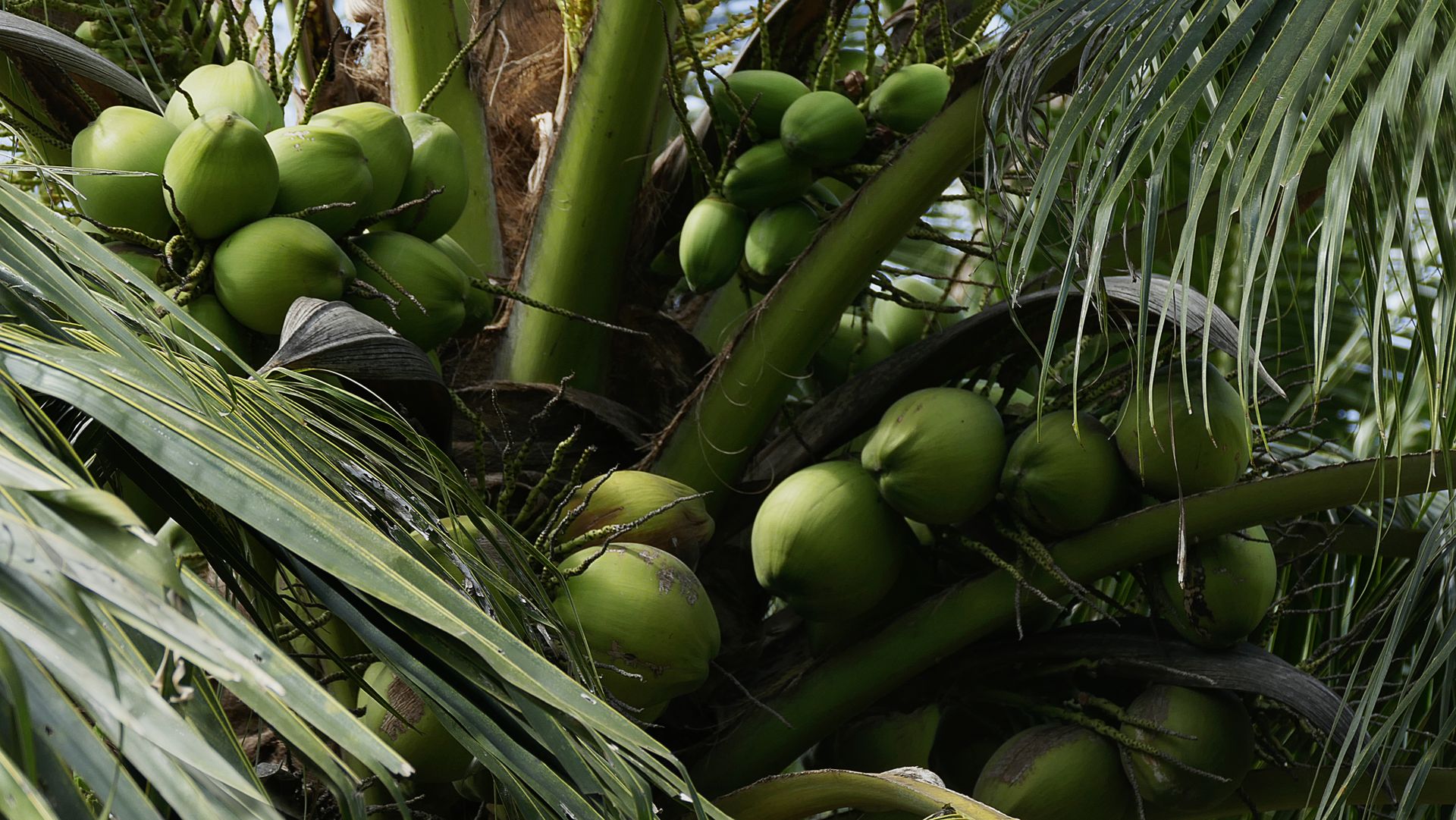
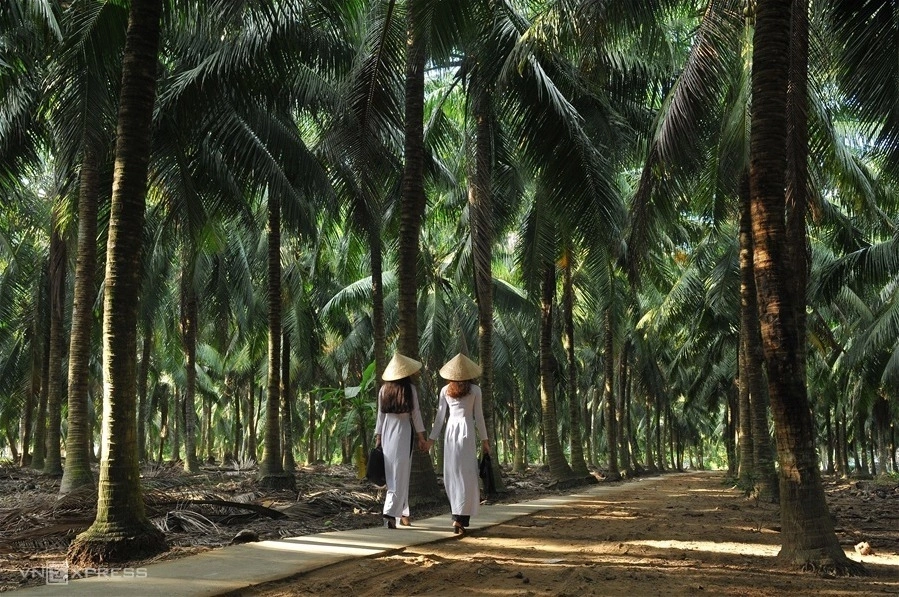
Coconut palms: Ben Tre has more than 200,000 households growing coconuts, around two-thirds of all households in the province. Visitors are invited to cycle a few kilometres through the coconut groves to enjoy the calm, cool surroundings. As they pedal, tourists can also chat with local people to learn more about rural life.
The Vam Ho bird sanctuary is home to more than 100 different bird species. Some of them, almost extinct elsewhere, still live there.
The tomb of Nguyen Dinh Chieu, located in An Duc commune, Ba Tri district, is the resting place of the great national poet, patriot and doctor of the people. Every year, on 1 July, the people of Ben Tre hold a traditional festival there in honour of this famous poet, a son of southern Vietnam.
From there, tourists can travel a further 9 km to Ngao beach and Tiem Tom port to admire the Ba Lai and Ham Luong estuaries (the third and fourth mouths of the Mekong flowing into the South China Sea). These two estuaries are only a few kilometres apart.
Binh Dai beach, located in Binh Dai district, stretches along the banks of the Dai River estuary. It is still unspoilt and less crowded than Vung Tau or Nha Trang. As well as swimming and tasting seafood, visitors can also go fishing and visit spiritual tourism sites.
The Dong Khoi guerrilla village is located in Dinh Thuy commune, Mo Cay district. Here you can see an exhibition of the rudimentary weapons used by the people of Ben Tre to fight invaders.
The Phu Le craft village is in Ba Tri district. In this village, visitors can listen to local artisans singing traditional folk songs as they weave, and learn how to make glutinous rice wine.
One of the village’s attractions is the Phu Le communal house, built in 1826 (the 7th year of Minh Mang’s reign) in the style of a wood-and-thatch communal house. During Têt or the Ky Yen festival (on the 18th and 19th of the 3rd lunar month), traditional opera performances are staged in front of the communal house.
In the village of My Long, which specialises in making rice paper, visitors can watch local artisans at work. The rice paper is dried in the sun and then grilled over charcoal, so that it is always warm, crispy and infused with a rich aroma of coconut milk by the time it reaches tourists’ hands.
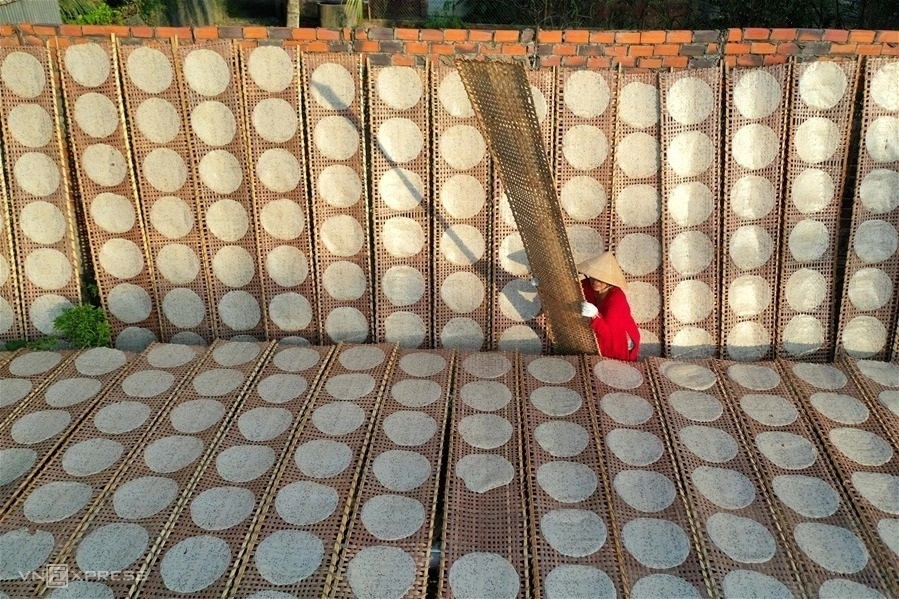
Local people drying coconut rice paper. (Photo: Nguyen Thanh Hung)
The village of Son Doc, which specialises in making rice paper, is more than a hundred years old. Tourists can visit and discover how a rice paper cake is made. A good cake should be soft, crispy and double in size after cooking. The village offers many varieties to take home as souvenirs, such as rice paper cakes filled with egg, jackfruit or durian.
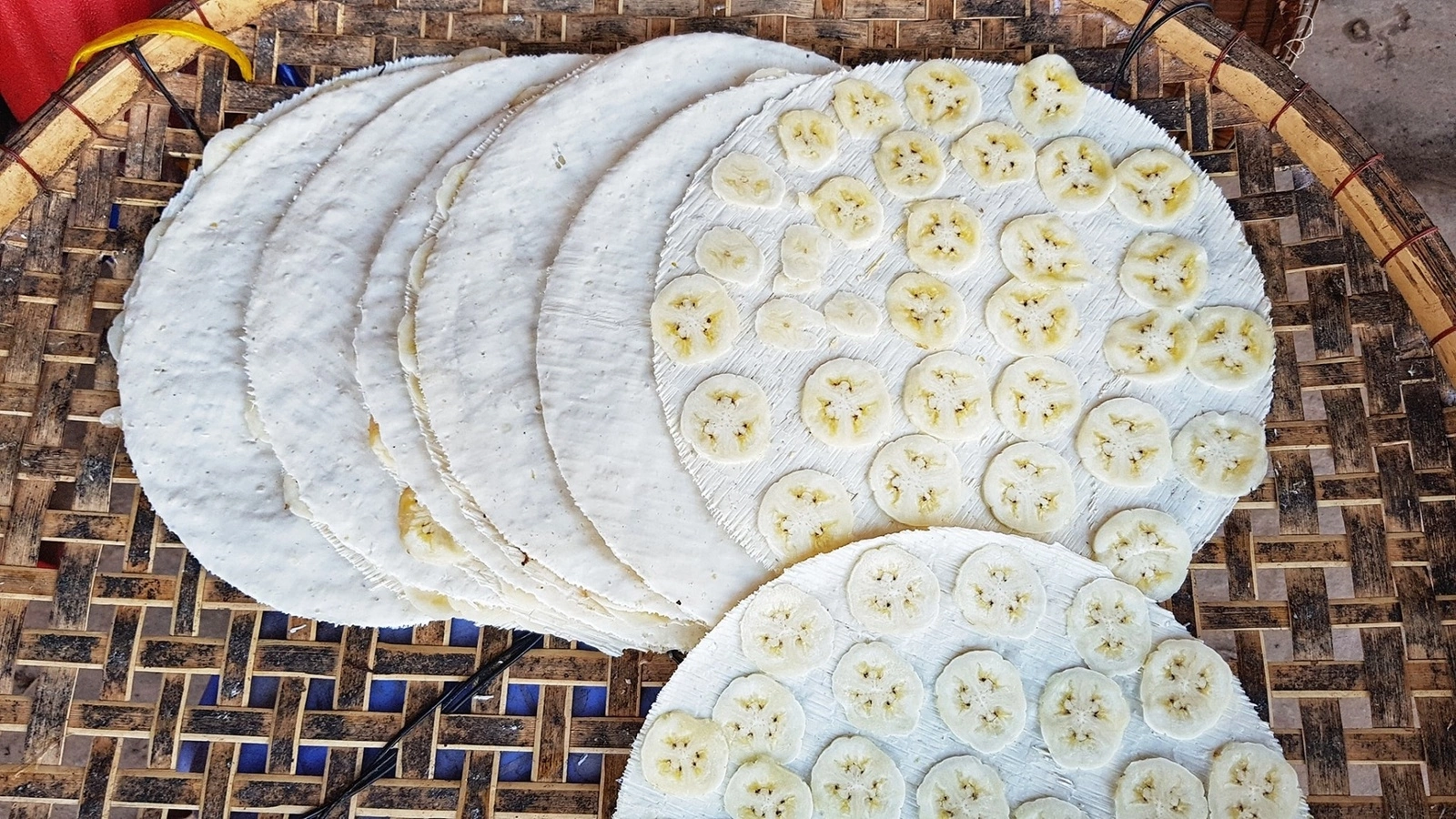
(Photo: Quách Duy Thịnh)
The Phuoc Tuy bamboo basketry village, in Ba Tri, is located about 40 km east of Ben Tre. This craft village carries on an ancestral tradition. The villagers make all kinds of everyday objects from bamboo.
Each family shares out the tasks of making bamboo baskets, traps or sieves. Tourists can watch the villagers at work, learn the techniques and take part in the making process.
Source: Du Hy/VnExpress
Last checked Suggest a correction