

Going to Mèo Vac to immerse yourself in the culture of the North-West
Nestled in the heart of the famous Đồng Văn limestone plateau, in Hà Giang province in the far north of Vietnam, Mèo Vạc district is known for its mountain scenery and an exceptionally rich cultural life. This remote region, marked by its rugged geography, is home to many ethnic communities that keep age-old traditions alive. The weekly market of Mèo Vạc is the area’s main economic and social hub. Far more than a simple place to trade goods, this traditional gathering shapes the daily life of local people and offers travellers a factual and tangible immersion in the life of the mountain minorities.
Morning bustle and ethnic diversity on the stalls
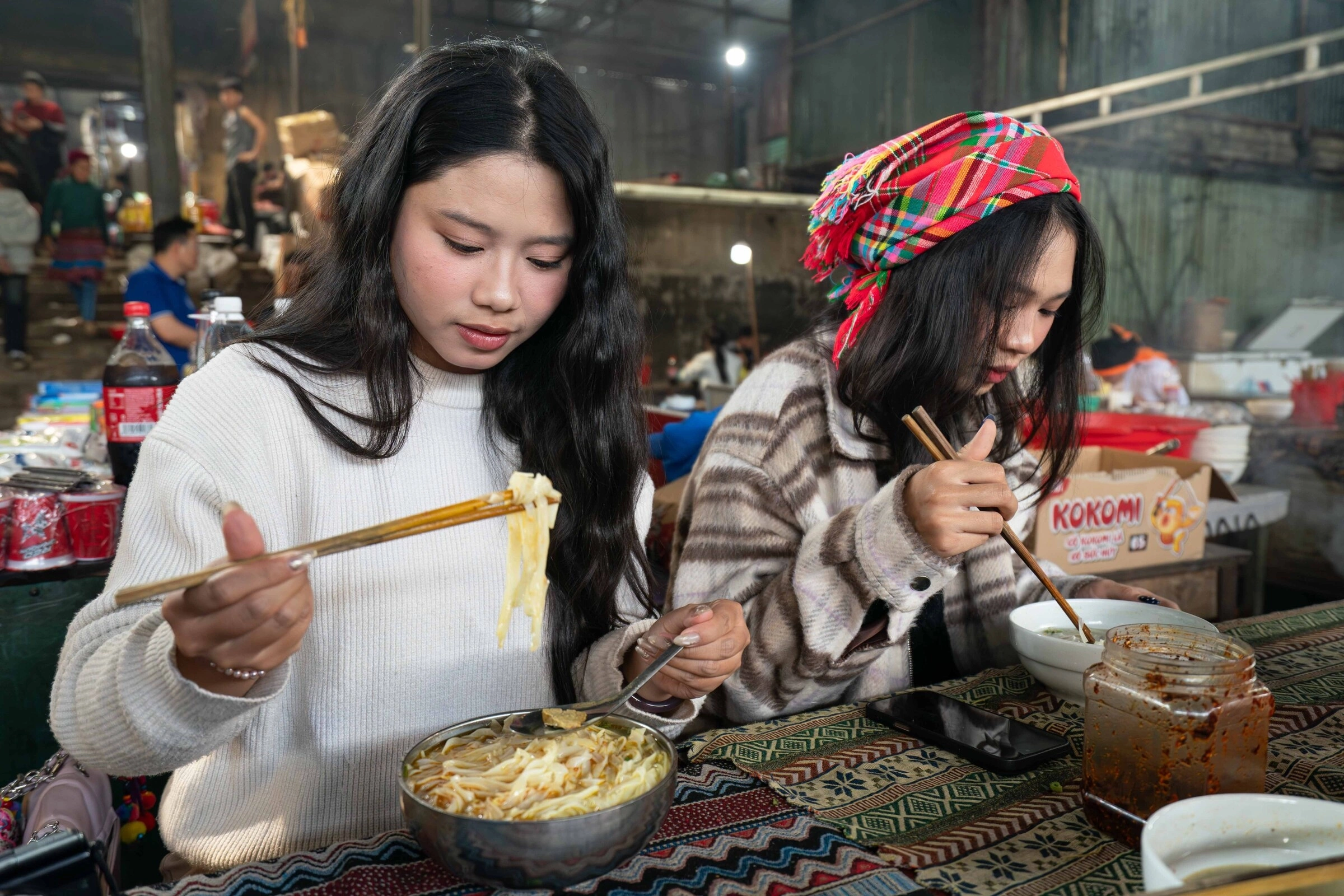
The two friends, both from Hanoi, chose Meo Vac market as a stop on their trip.
Mèo Vạc market is held only on Sundays. Activity starts at dawn, at around 4 am, when the noise of vehicles and the first conversations bring the site to life. The region’s various ethnic communities, notably the H’mông, the Dao, the Giáy and the Lô Lô, stream in from the surrounding villages. To take part in this gathering, some people travel long distances on foot or by motorbike, leaving home in the middle of the night. For local people, going to this weekly event is a real pleasure and a high point of social life.
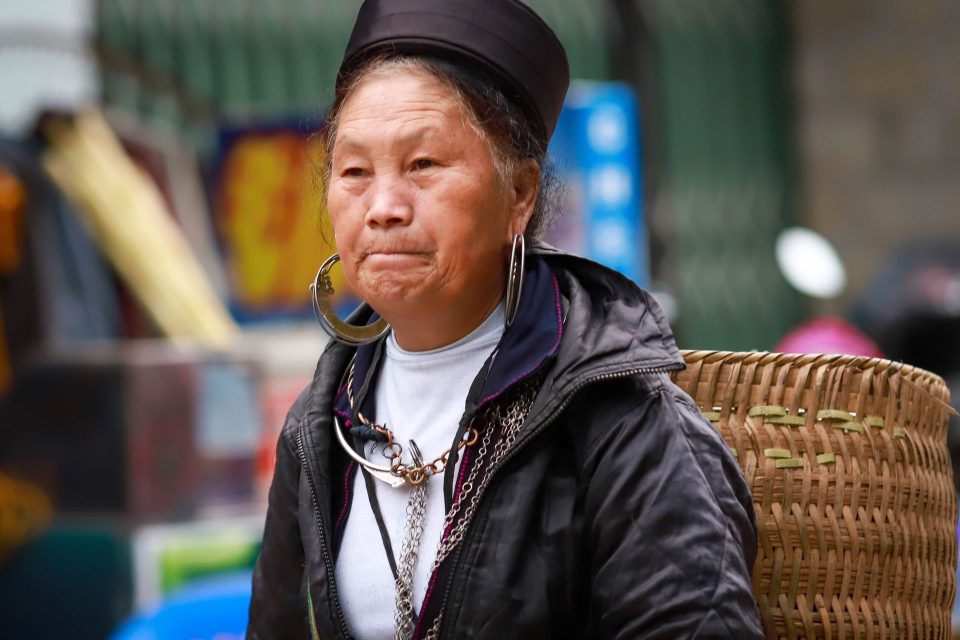
The layout of the stalls and the way goods are displayed reflect the particular features of rural life at altitude. In the livestock area, the animals for sale, such as chickens, pigs and dogs, are not kept in cages but carried under the arm or held on a rope by their owners. Buffaloes and cattle, with bells around their necks, wait for buyers nearby. Meanwhile, the clothing and textile section stands out for the bright colours of the multicoloured embroidery adorning the traditional costumes worn by the women for the occasion. Mid-morning is the ideal time of day to observe this gathering of people before trading starts to wind down.
Food stalls and the social role of bartering
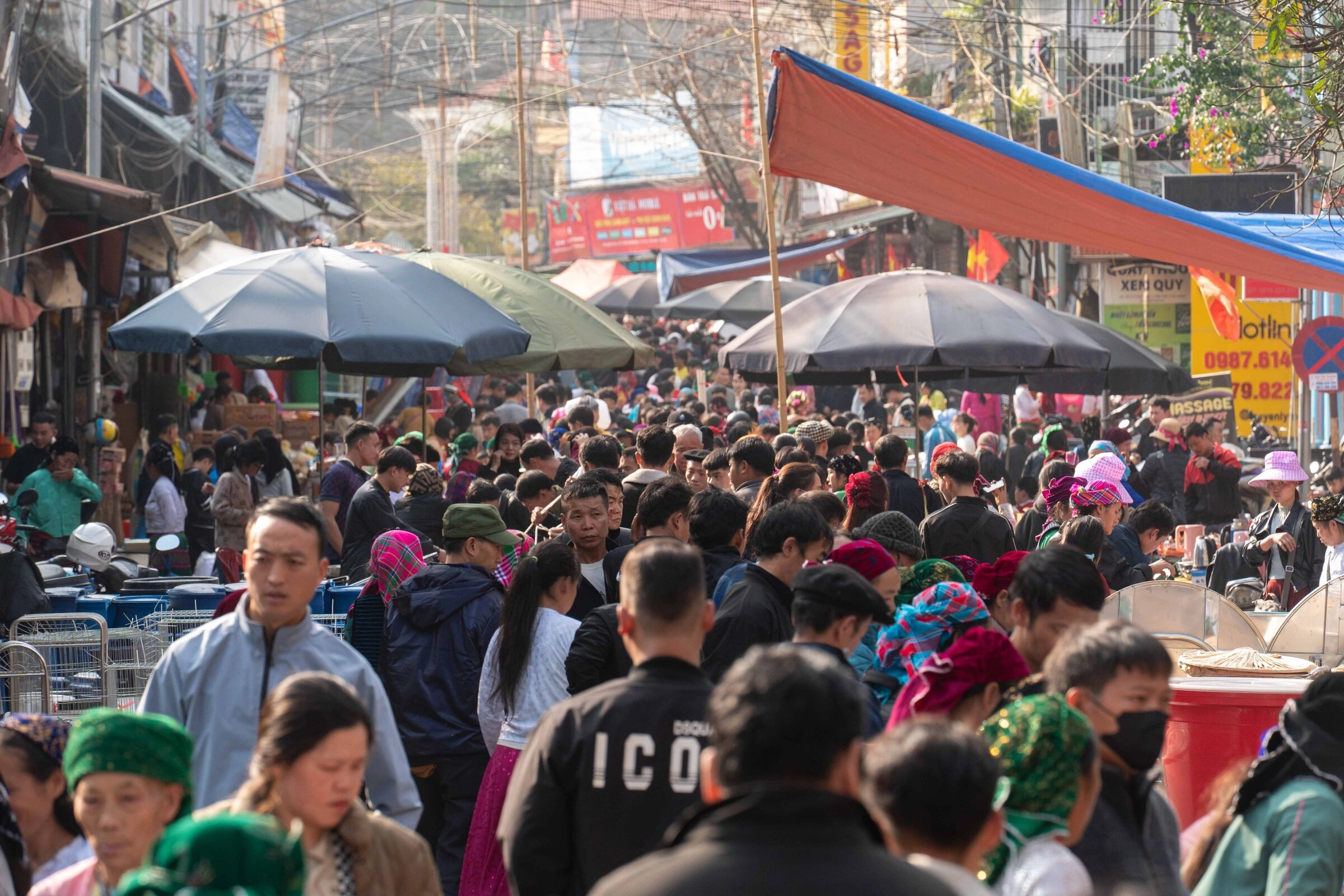
Every Sunday, people from within a 10 km radius gather at Meo Vac market.
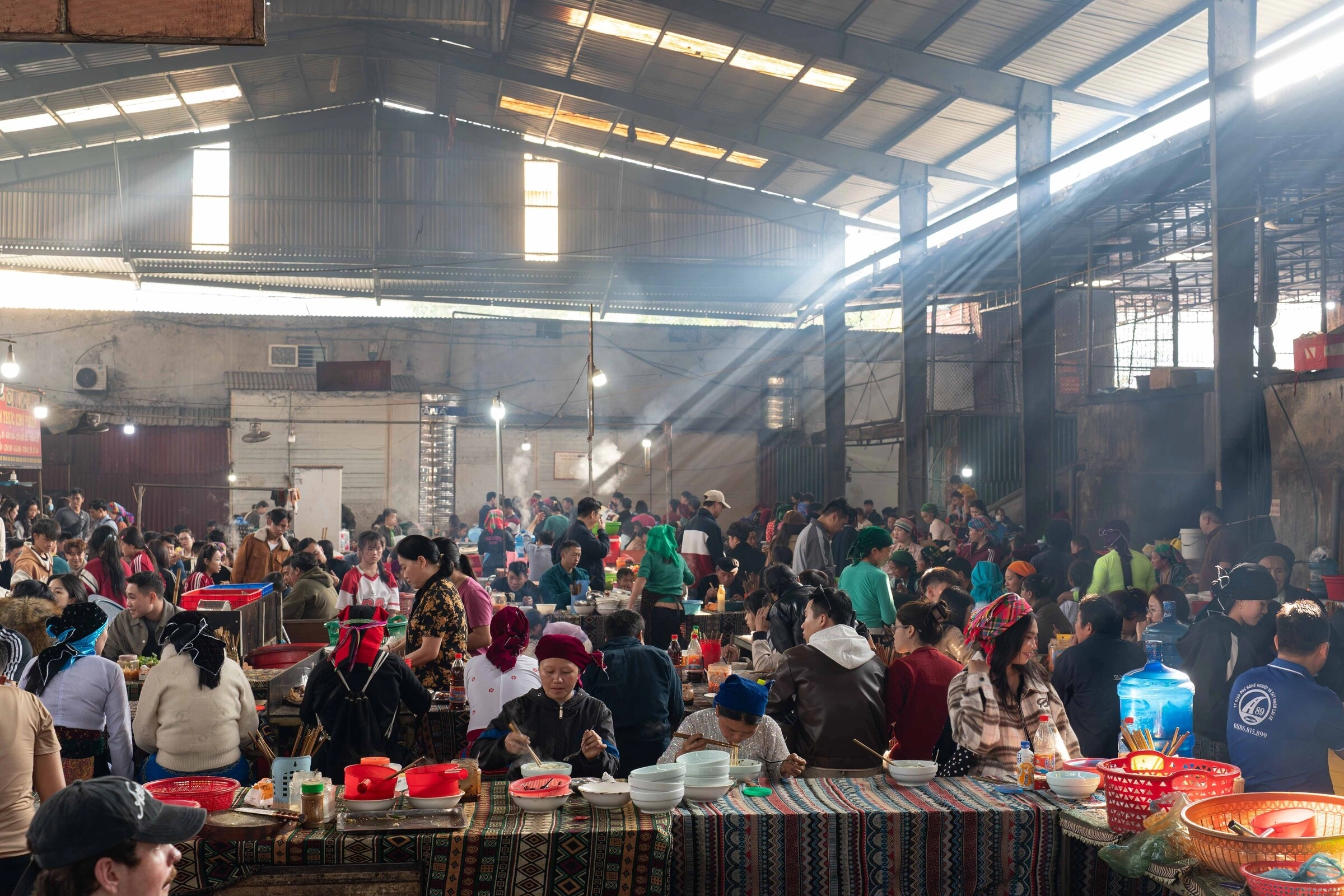
Beyond buying and selling and the bartering of goods essential to daily life, the market fulfils a vital role in social cohesion for these isolated communities. The food area is traditionally the busiest. Local people meet there to taste local culinary specialities, first and foremost thắng cố, a traditional soup of bovine offal typical of H’mông culture. Fritters made from maize or rice flour are also eaten here, as well as traditional phở, made here with fresh ingredients from the land of the highlands.
Once the trading is over, the market turns into a convivial space. Men and women gather around the tables to share cups of tea or a glass of maize liquor, forging bonds of friendship. Around these tables, conversation flows freely about daily life, the harvests and news from the different valleys, strengthening solidarity between the families and villages of the region.
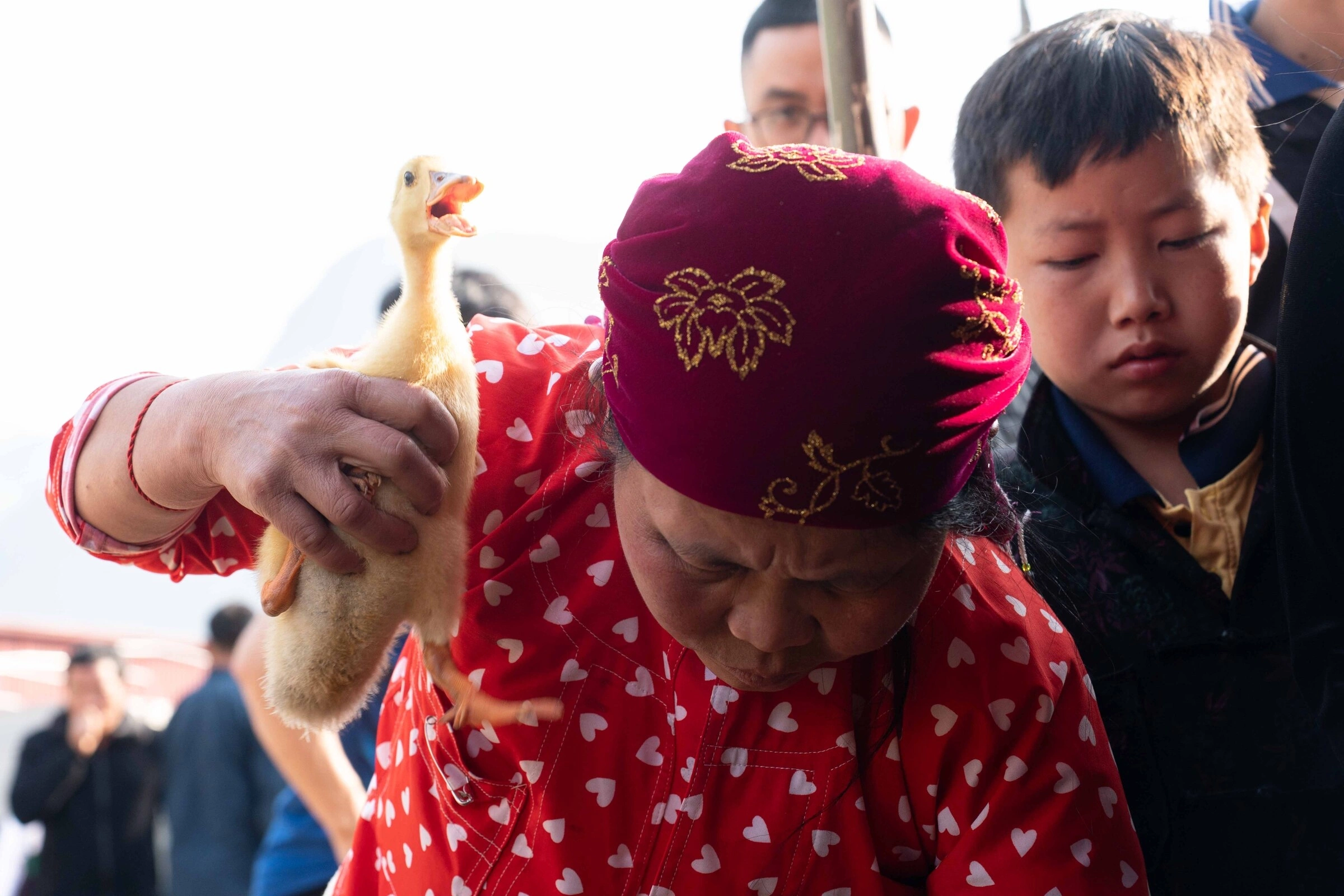
Outside, ducks and dogs are also sold, but the atmosphere is less lively than at the livestock market.
Conclusion
The Sunday market in Mèo Vạc remains a living institution that illustrates the social organisation and cultural richness of Hà Giang province. Far from any staging, discovering this place of exchange, to the rhythm of the morning rituals and local flavours such as thắng cố, offers a measured and authentic immersion in the daily life of the minorities of the North-West.
Photo: Hoàng Giang
Last checked Suggest a correction