

Gastronomy
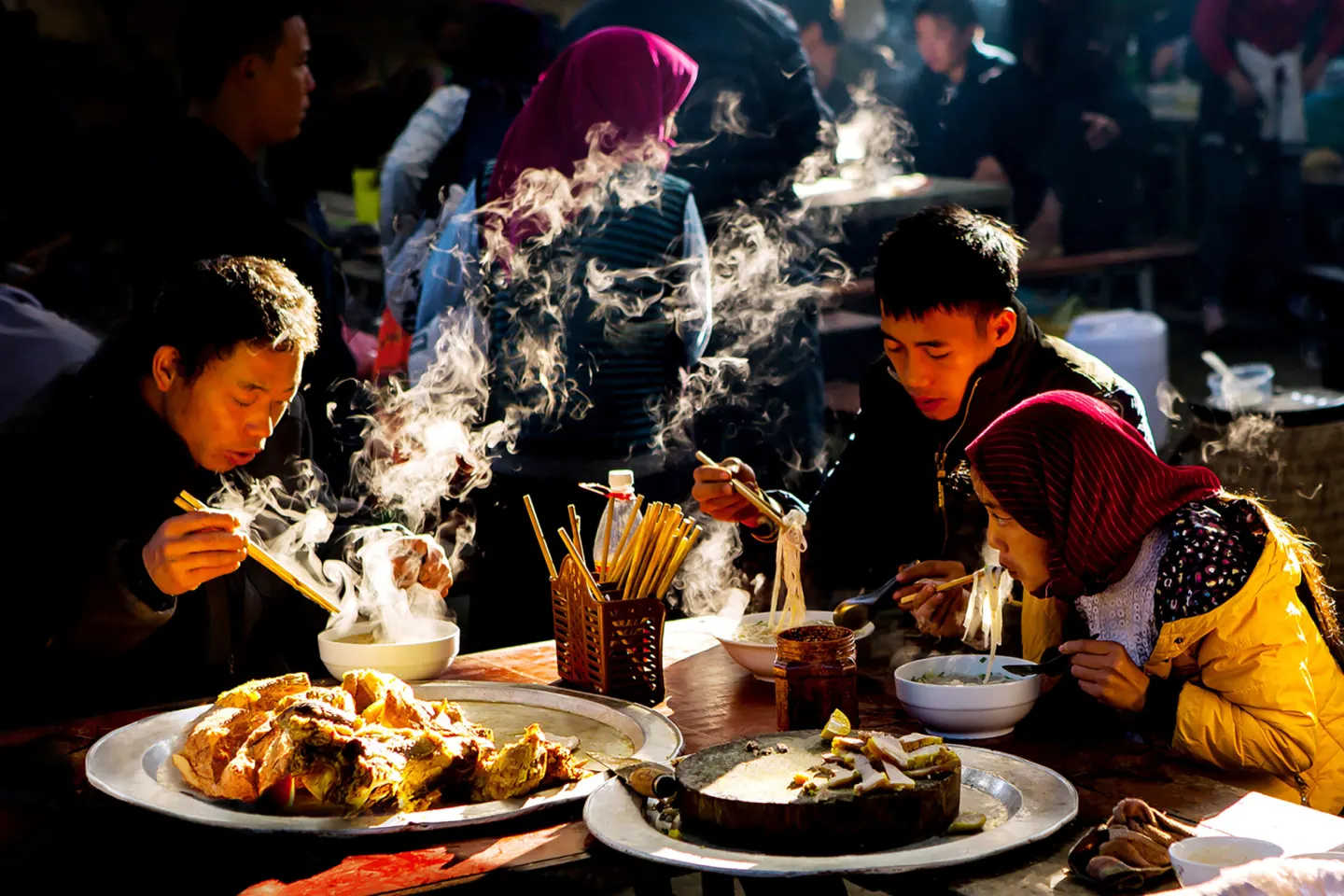
Morning phở in Hanoi, cao lầu in Hoi An, the floating markets of the Mekong: experiences to eat with local people, learn to cook a dish and go to market before sunrise.
Eating to understand a region
4 trải nghiệmClear filters
-
 Hoi An
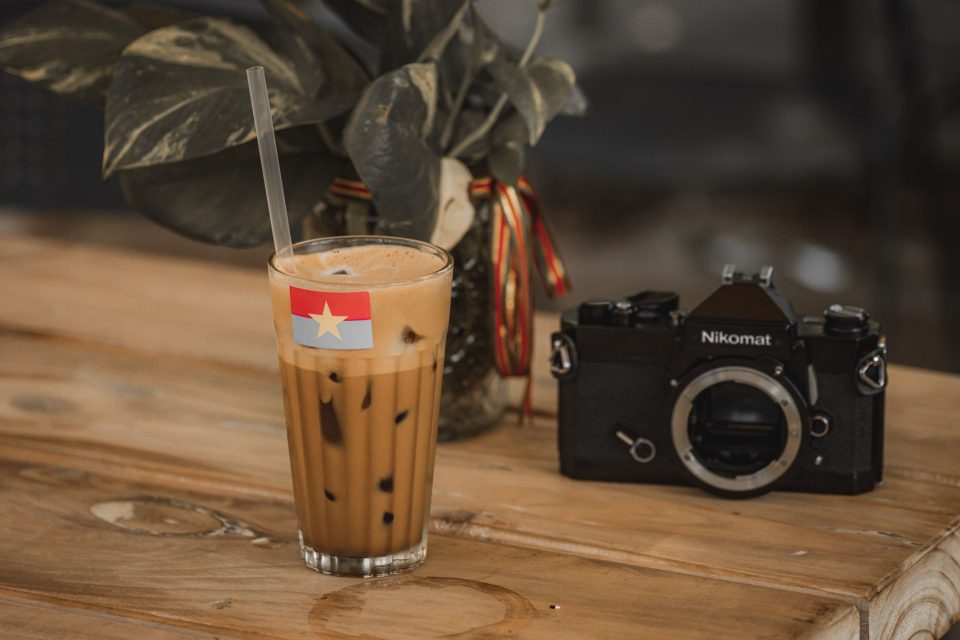
Morning coffee on the banks of the Hoai River
A salt coffee or an iced coffee with condensed milk on a wooden balcony, watching the boats pull in at the market in the early morning. View the experience -
 Hoi An
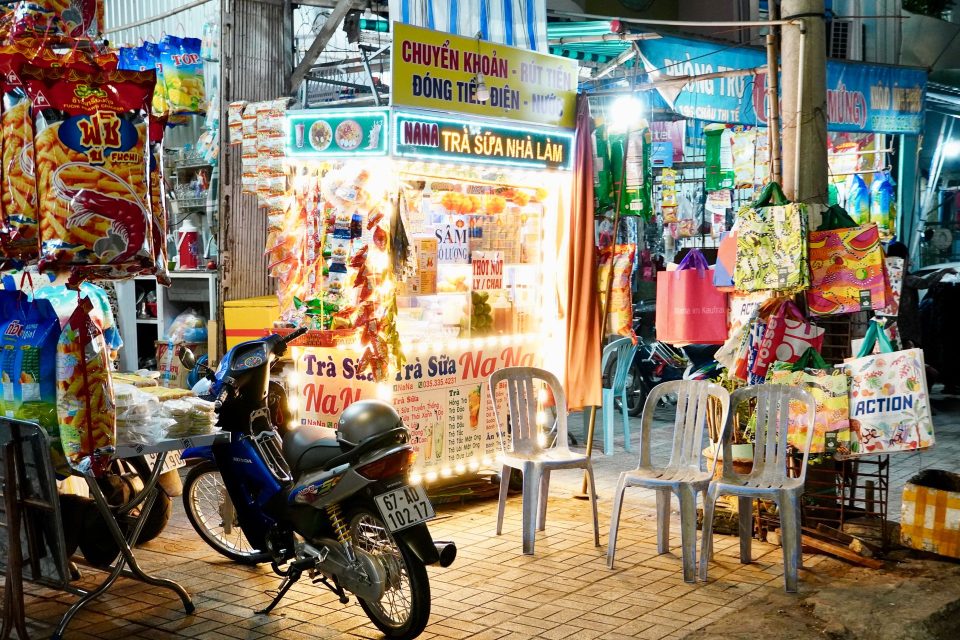
Dinner while strolling through the old town with a local
Five little eateries on foot, as the town lights up: mì Quảng, bánh mì, chè bắp and coffee on the banks of the Hoai River. View the experience -
 Hoi An
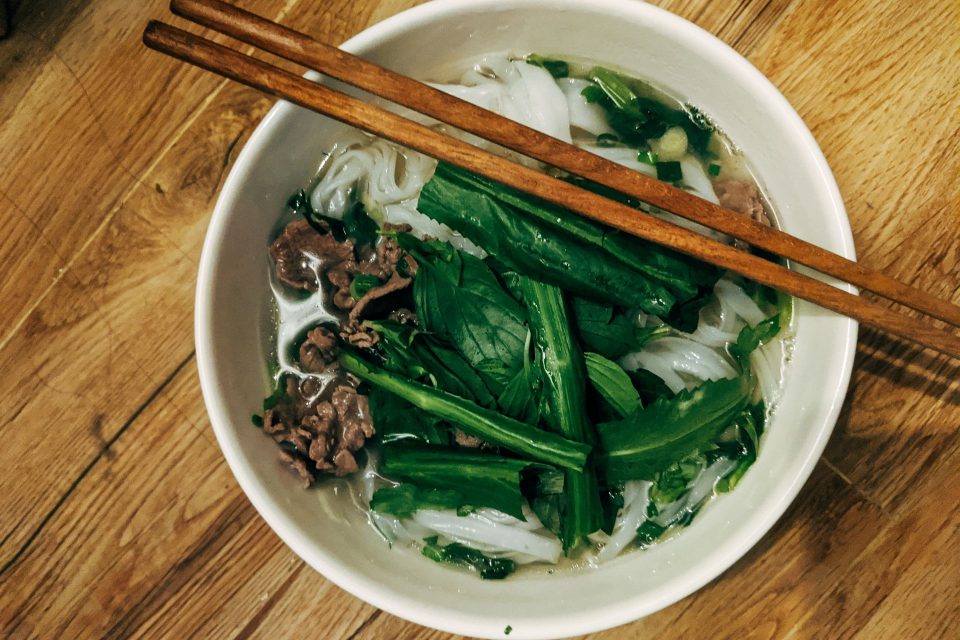
Cao lầu, noodles you can only find in Hoi An
Thick, firm noodles, made with water from an ancient well in the town, served with xá xíu glazed pork, aromatic herbs and crispy rice crackers. View the experience -
 Hoi An
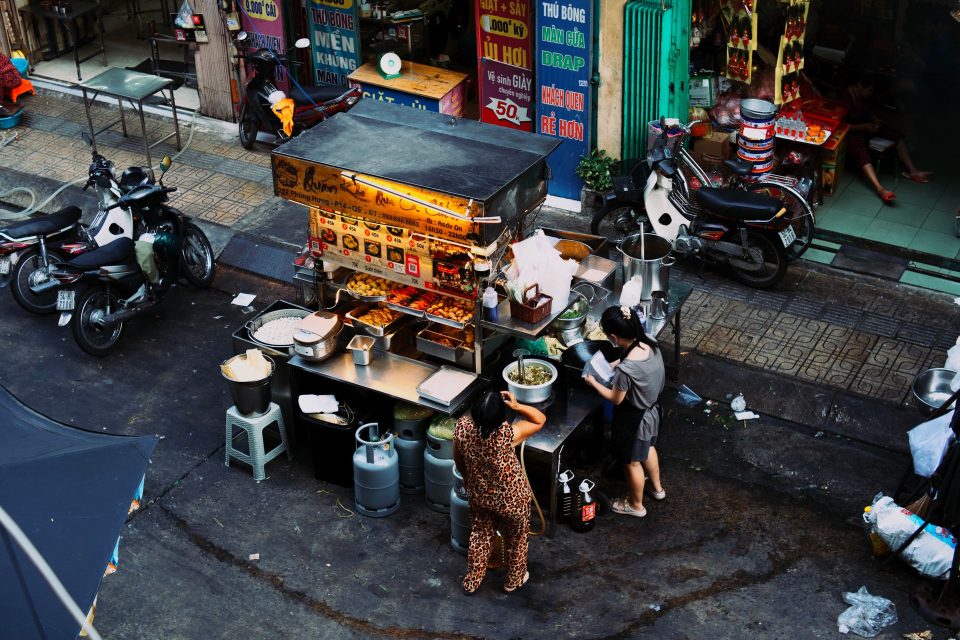
Early-morning market and a cookery class from central Vietnam
Three hours with a chef: Hoi An market at daybreak, then mì Quảng, cao lầu and bánh xèo. View the experience
No experiences match this filter. Clear filters
Other related themes
-
 4 trải nghiệm
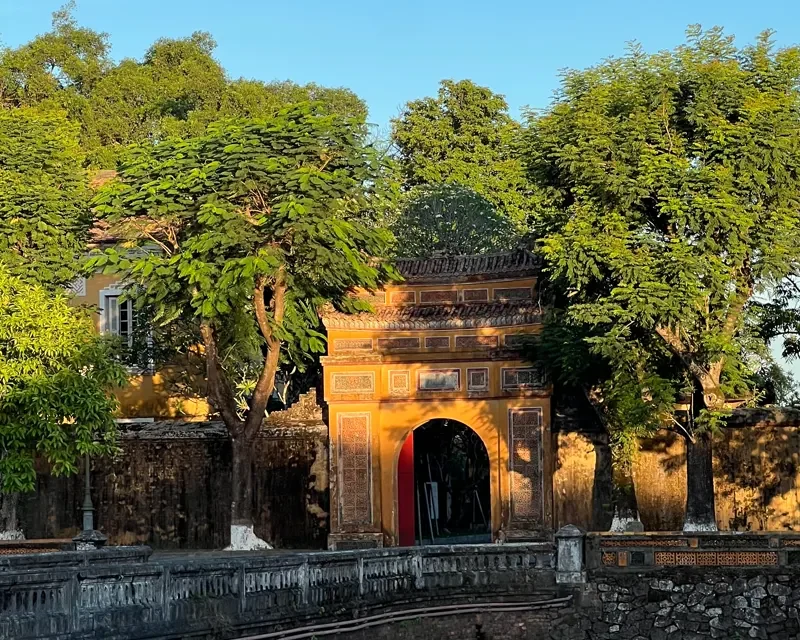
Culture & heritage
Citadels, old quarters, craft villages View the experience -
 3 trải nghiệm
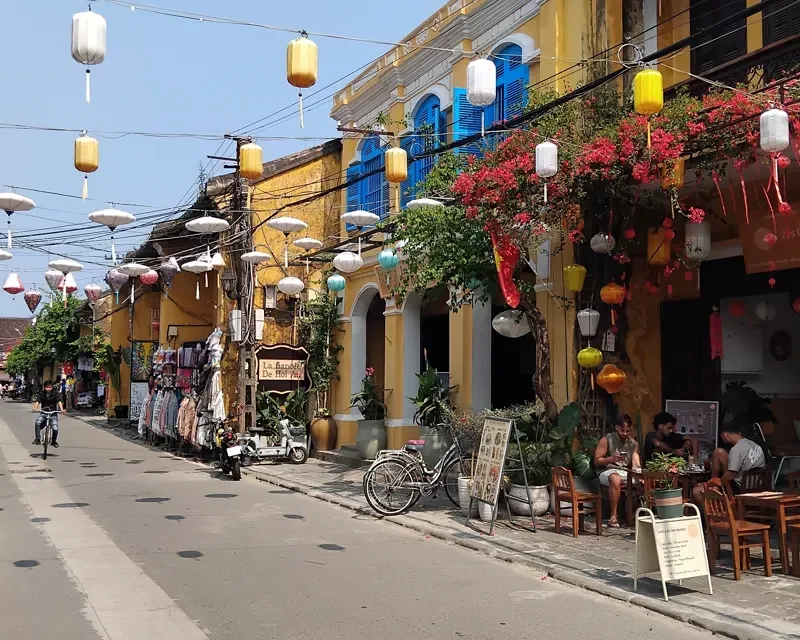
Festivals & events
Têt, Mid-Autumn Festival, lanterns, boat races View the experience -
 3 trải nghiệm
Shopping & crafts
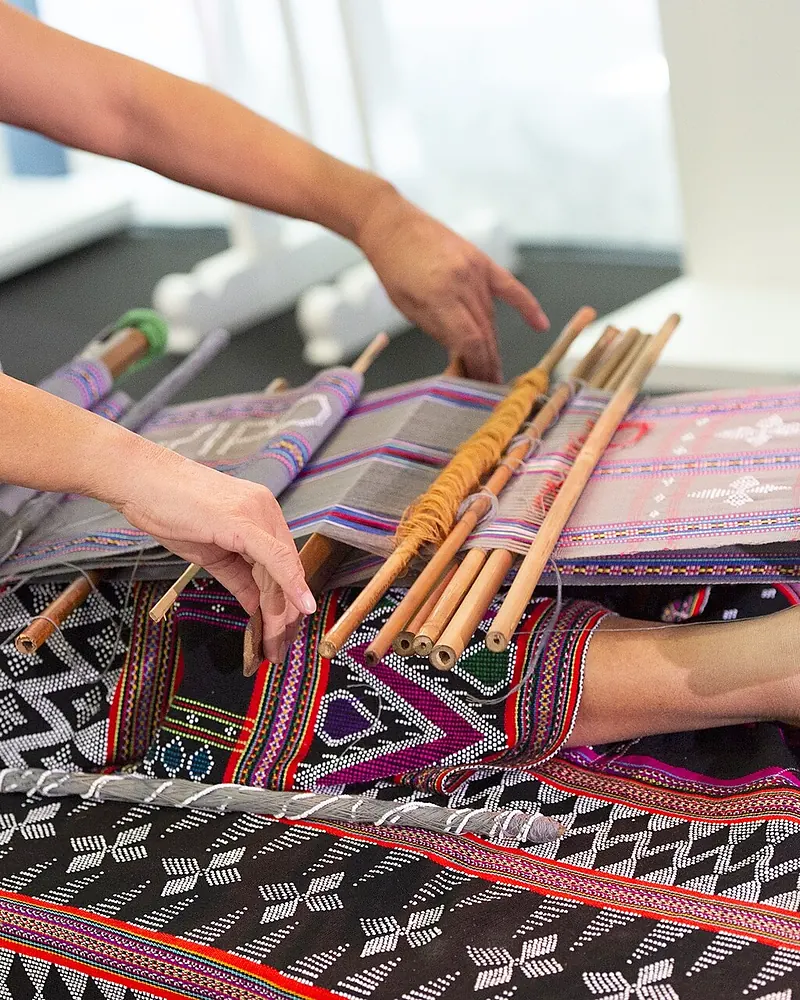
Craft villages, markets, handicrafts View the experience -
 2 trải nghiệm
Leisure
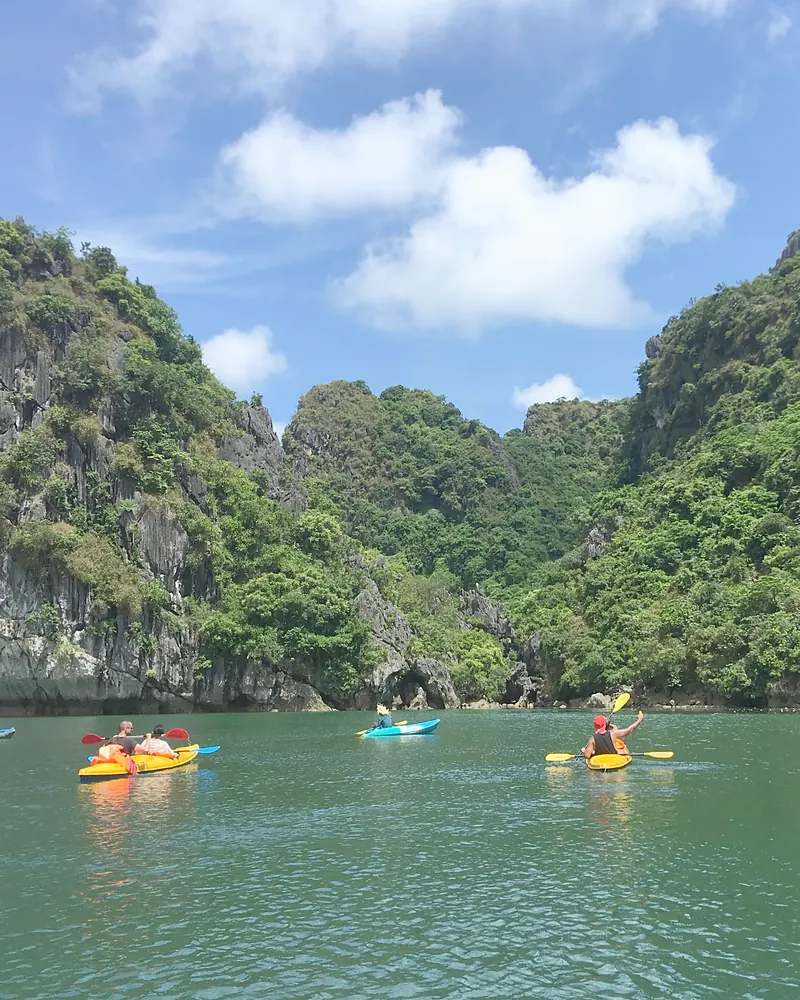
Night markets, water puppets, boat trips View the experience