

Full-moon night and giant longboats: welcome to the heart of the Ok Om Bok festival
Why try it?
Celebrated every year at the full moon of the twelfth month of the Khmer calendar (which usually falls in mid-November in the Gregorian calendar), the Ok Om Bok festival is one of the most important cultural and spiritual events of the Khmer community in southern Vietnam. Rooted mainly in the provinces of Sóc Trăng and Trà Vinh, in the heart of the Mekong Delta, the event is listed as National Intangible Cultural Heritage. Also known as the “flattened rice offering festival” or the “Moon worship festival”, this celebration marks the end of the farming year and expresses the community’s gratitude to the moon deity for protecting the harvests and providing abundant water. For travellers, it is a unique opportunity to immerse themselves in a living local culture, marked by sacred rituals and spectacular boat races.
The festival’s highlights and rituals

Photo: Quỳnh Chi
Moon worship ceremony (Lễ cúng Trăng)
The central ritual of the festival takes place on the evening of the full moon, in the courtyards of Khmer pagodas or in people’s homes. Families set up an offering table laden with seasonal fruit, coconuts, sweet potatoes and, above all, cốm dẹp (glutinous rice harvested before it is ripe, then roasted and pounded flat). A master of ceremonies or the eldest member of the family leads the prayers to thank the Moon for regulating the weather and favouring the crops. At the end of the ritual, the officiant symbolically feeds the children of the community by placing a handful of cốm dẹp in their mouths, while asking them what their wishes for the future are, a traditional gesture said to predict the prosperity of the new generation.

Photo: Chí Công
Ngo longboat race (Đua ghe Ngo)
The true festive and spectacular high point of Ok Om Bok, the ghe Ngo race draws tens of thousands of spectators to the riverbanks (notably the Maspero River in Sóc Trăng). Ghe Ngo are long traditional wooden longboats, between 25 and 30 metres long, carved in the shape of a dragon or serpent and painted with intricate sacred motifs. Powered by crews of 50 to 60 elite rowers representing different pagodas and villages, these boats compete in an electric atmosphere to the beat of gongs and rousing chants. The competition goes far beyond sport: it symbolises the collective strength of the community and serves to honour the water spirit.

Releasing lanterns on the water and into the sky (Lôi Protip and Thả đèn gió)
At nightfall, the festivities move to the waterways and open spaces for the rituals of light. Lôi Protip are model boats or temples richly decorated with flowers and lit with candles, which are left to drift on the rivers to ask forgiveness for the offences done to the land and water during the farming year. At the same time, in some places, sky lanterns (đèn gió) are released: large paper balloons lifted by hot air that rise majestically into the night sky, carrying away the worries of the past year to make way for good fortune.
Traditional southern theatre and dance performances

Tourists eagerly join in the community singing and dancing. Photo: Quỳnh Chi
Alongside the religious ceremonies and the races, the grounds of the Khmer pagodas and the public stages come alive with traditional performing arts. Visitors can watch performances of Dù kê or Rô băm folk theatre, as well as Rom vong and Saravan dances to the sound of the Pinpeat orchestra (made up of bamboo xylophones, metal gongs and drums). These night-time festivities give a sense of the aesthetic richness and spirit of sharing of Khmer culture, in which all generations and visitors mingle to dance and celebrate together.
Calendar and festival dates
The Ok Om Bok festival is held unfailingly every year at the full moon of the twelfth month of the Khmer calendar. In 2026, the main festivities take place on the following dates:
-
Overall period: The celebrations span several days, with a peak of activity from 22 to 24 November 2026.
-
Highlight of the worship: The night of 23 November 2026 is exactly the full moon, the moment chosen by families for the Moon worship ritual (Lễ cúng Trăng) and the release of the lanterns.
-
Boat races: The qualifying heats and the grand finals of the Ngo longboat race (Đua ghe Ngo) are held in the afternoons of 23 and 24 November 2026 on the Maspero River.
-
Weather conditions: The end of November marks the ideal transition to the dry season in the Mekong Delta, with clear skies and pleasant temperatures of around 28°C.
A major cultural immersion in the heart of the delta
Taking part in the Ok Om Bok festival is much more than a simple tourist excursion: it offers direct access to the spirituality and social cohesion of a community deeply attached to its traditions. Through the harmony of the rice offerings, the fervour of the longboat races and the poetry of the night-time lanterns, this event offers an exceptional testimony to Vietnam’s cultural diversity. It is an essential stop for any traveller eager to understand the close ties that bind people, nature and ancestral beliefs in this fertile region of the Mekong.
Similar experiences
-
 Hoi An
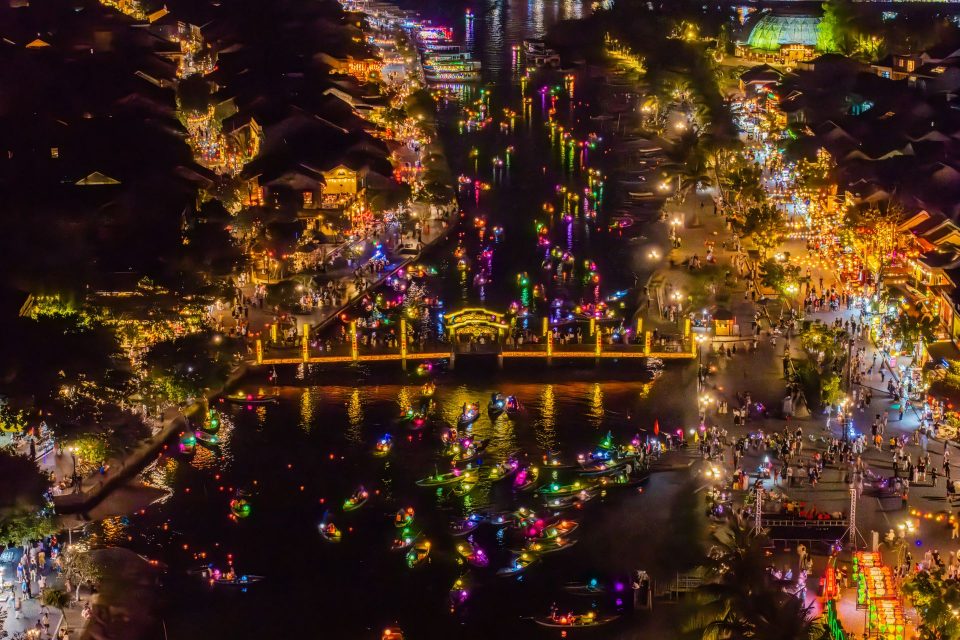
Release a floating lantern on the Hoai River
When the town lights up, let a wooden boat carry you along the Hoai River and entrust a wish to a floating lantern. View the experience -
 Da Nang
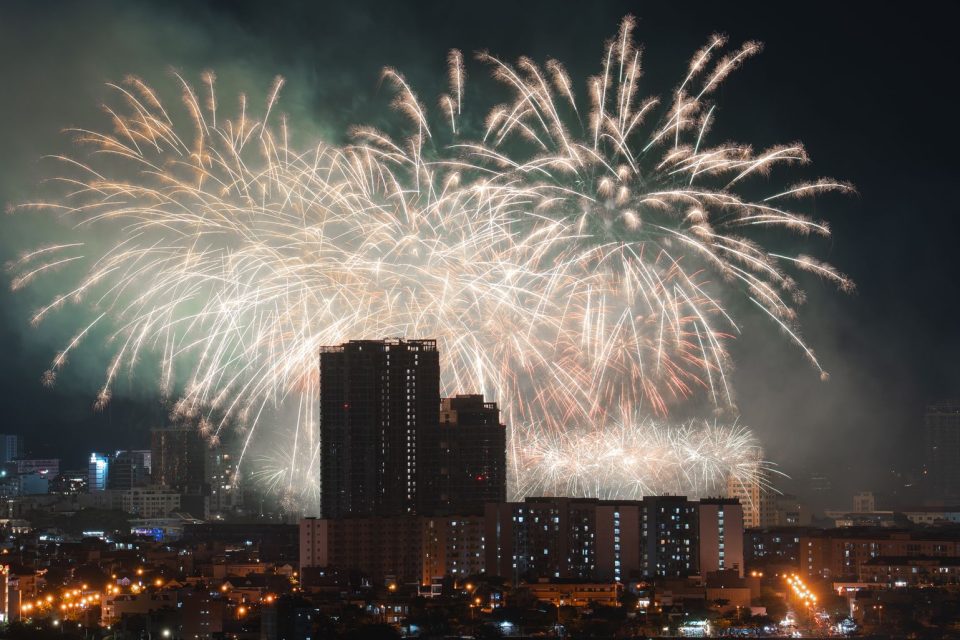
DIFF 2026 officially launched, opening one of the most eagerly awaited and appealing festival seasons in its history
On the evening of 30 May, the Da Nang International Fireworks Festival (DIFF 2026), organised by the Da Nang City People's Committee in collaboration… View the experience