

Thuy Xuân, a jewel of incense craftsmanship
- Recommended months
- February – may Spring · Summer
Why try it?

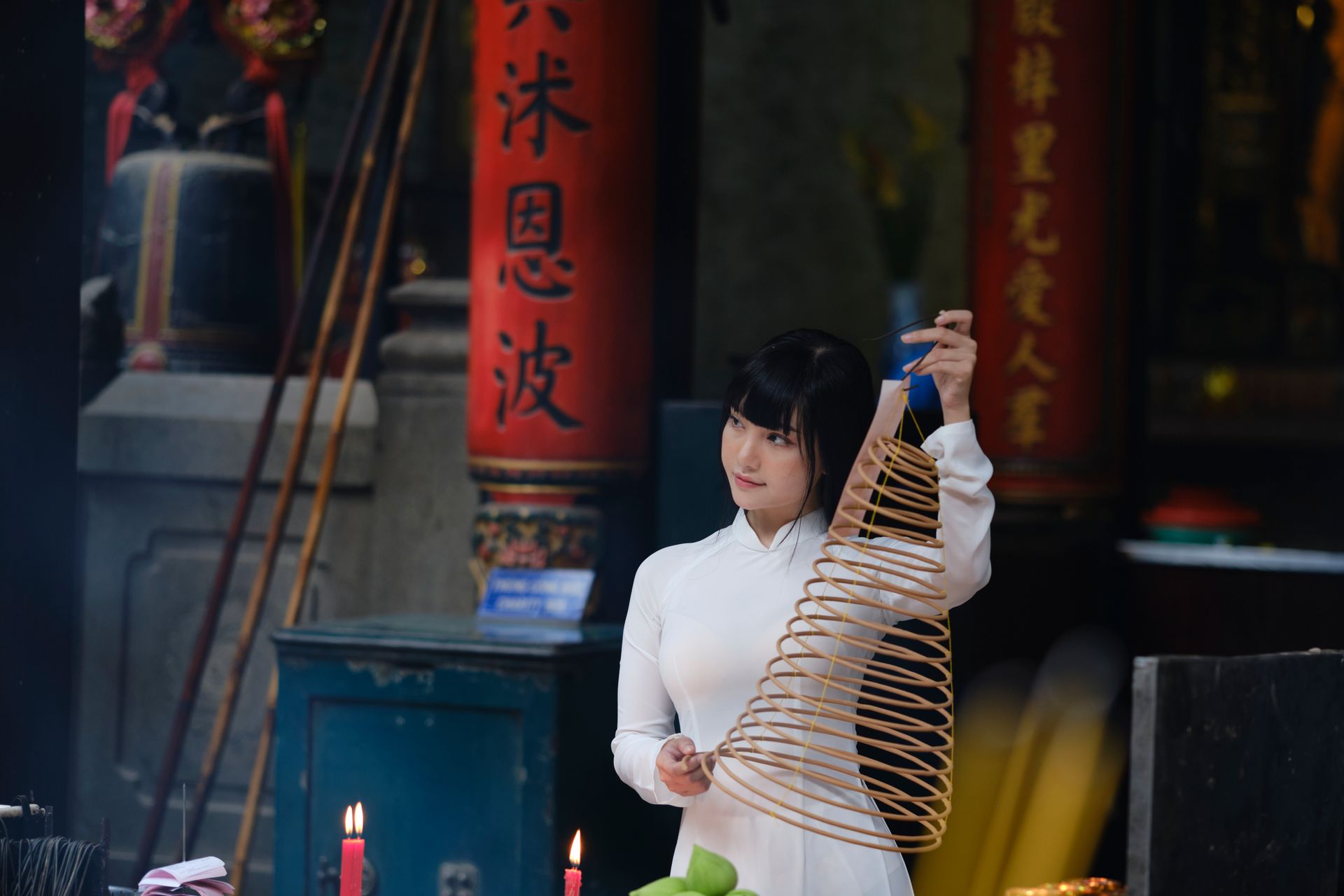
Nestled just 7 kilometres south-west of the centre of the imperial city of Huế, the village of Thủy Xuân stands as the guardian of an ancestral skill: the handcrafting of incense. This traditional trade, passed down from generation to generation for centuries, enjoyed its golden age under the Nguyễn dynasty (1802–1945), when local artisans supplied their products directly to the royal court. Today, Thủy Xuân has succeeded in reconciling the rigorous preservation of its craft heritage with a dynamic opening to tourism, establishing itself as one of the sites most committed to safeguarding the traditions of central Vietnam.
Well-kept manufacturing secrets and 100% natural production

Incense from Thuy Xuân village is renowned for its bewitching fragrance.
What makes the village of Thủy Xuân unique is its strict adherence to traditional manufacturing methods, far from the automation and cold uniformity of the ceramic or chemical industries. Every incense stick is made entirely by hand, demanding a high level of technical skill from the artisans at every stage of the process. It begins with a rigorous, meticulous selection of raw materials, all of natural origin, ruling out the use of synthetic chemicals. The artisans rely on specific, secret formulas to create the aromatic blends. This high standard guarantees the production of superior-quality incense, particularly recognised for being safe to use and for its bewitching fragrance.
Beyond its olfactory qualities, the incense stands out visually through the display of the sticks in brightly coloured bunches, creating a unique landscape within the workshops. The artisans spread these multicoloured bouquets out on their doorsteps to dry naturally in the sun, transforming the village streets into a true living colour palette, particularly sought after by photographers and visitors. The direct dialogue between artisan and material can be felt in the very texture of the incense paste, smoothed by hand around the thin bamboo stem, bearing witness to the infinite patience of the human hand on raw material.
Tourism conversion and the economic value of heritage

A paradise of colours and scents.
In recent years, the Thủy Xuân community has managed to transform this traditional workspace into a genuine cultural attraction. The workshops have opened their doors to visitors, offering an ideal setting for photography, but also for a sensory and ethical exchange with local people. This shift towards tourism has brought major economic benefits to the locality, enabling many households to significantly increase their daily income while ensuring the survival of their ancestral know-how.
The visitor facilities allow travellers to try their own hand at shaping the sticks, learning under the kindly eye of the elders the tiny gestures needed to obtain an even thickness of paste. This interactive transmission makes Thủy Xuân an unmissable stop for visitors interested in the history, spirituality and craft traditions of the former capital region. In this rural setting, luxury is redefined by cultural traceability and genuine encounters with families of makers, a reminder that for every inhabitant of this historic city, the heart of national identity lies in the quiet pride of keeping the ancestors’ legacy alive.
photos: Phuong Nga – VNA/CVN
Where: Hue
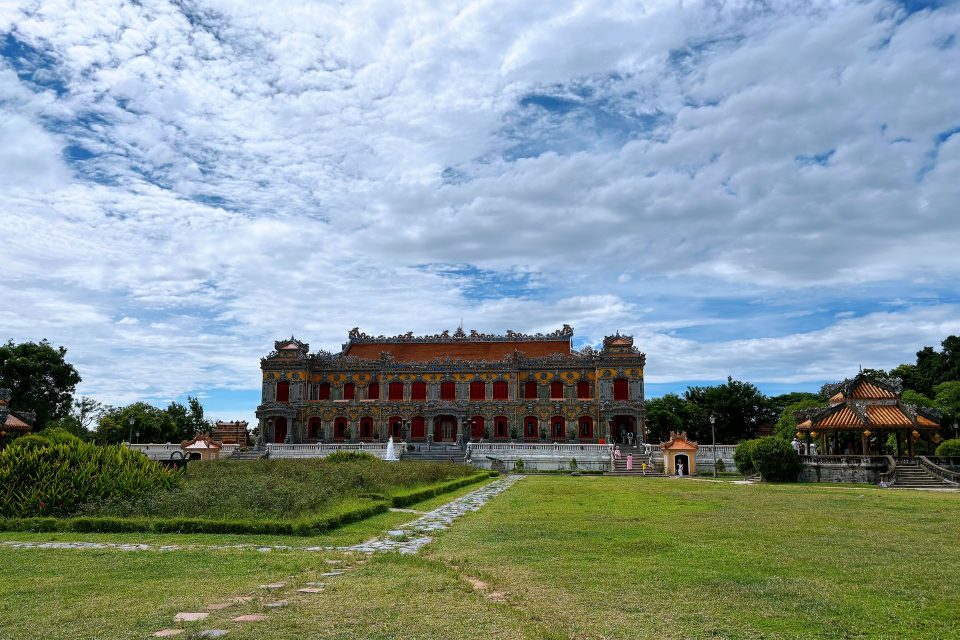
The imperial city of the Nguyen on the banks of the Perfume River
- HuePhường Thuận Hóa, Thành phố Huế
- Nearest airport and stationPhu Bai International Airport (Hue), about 14 km · Da Nang Railway Station
- NearbyDa Nang, My Son, Tra Que Vegetable Village
Services in Hue
-
 AccommodationHoi An
Hội An Riverside Lodge
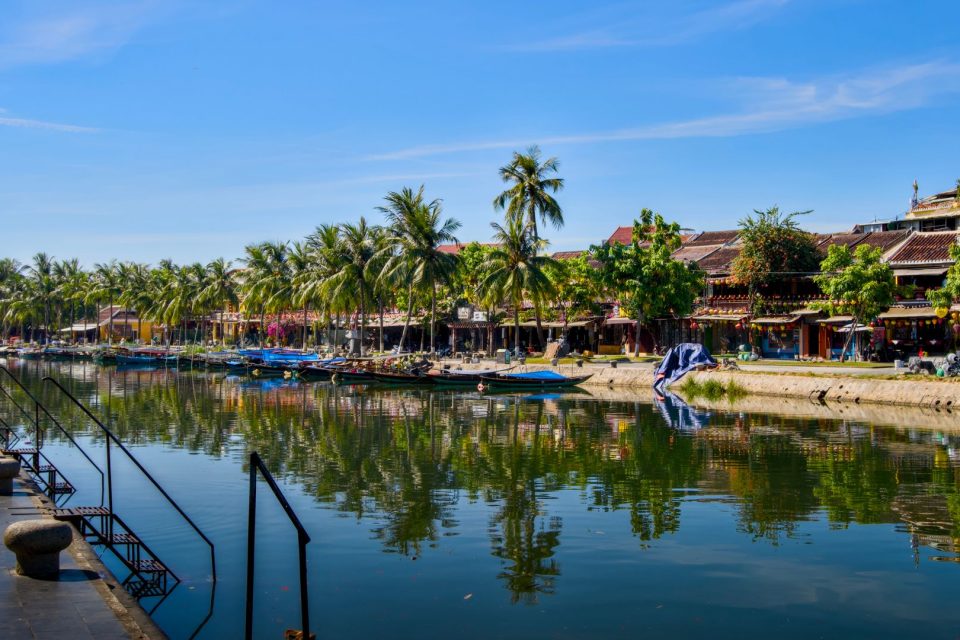
32 rooms on the banks of the Thu Bon River, ten minutes' walk from the old town. View the business profile
-
 Local agencies – DMCWhole country
Lotus d’Asie Voyages
Tailor-made trips for European travellers, with guides in all three regions. View the business profile
Itineraries passing through Hue
Itineraries that stop in Hue, focusing on a single region or crossing all three.
-
 30 days
Vietnam in retirement
A gentle itinerary, with enough rest to savour each region. View details → -
 30 days
The whole country, at an unhurried pace
A slow journey through the three regions, with time to linger in each place. View details → -
 20 days
The whole country, with caves thrown in
From north to south, with the spectacular caves of Phong Nha as a bonus. View details → -
 15 days
Flavours of the three regions
From a bowl of phở in Hanoi to bún bò Huế, all the way to the night markets of Saigon. View details →
Similar experiences
-
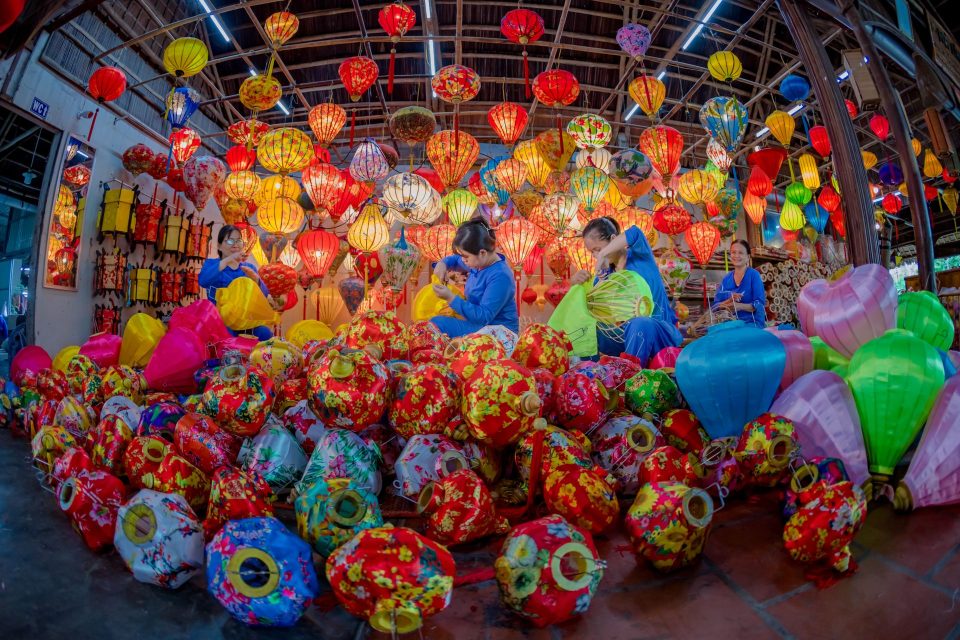 Hoi An
Make a lantern with a Hoi An craftsman
Bend the bamboo frame, stretch the silk and leave with a lantern made with your own hands, in a small workshop in the heart of the old town. View the experience -
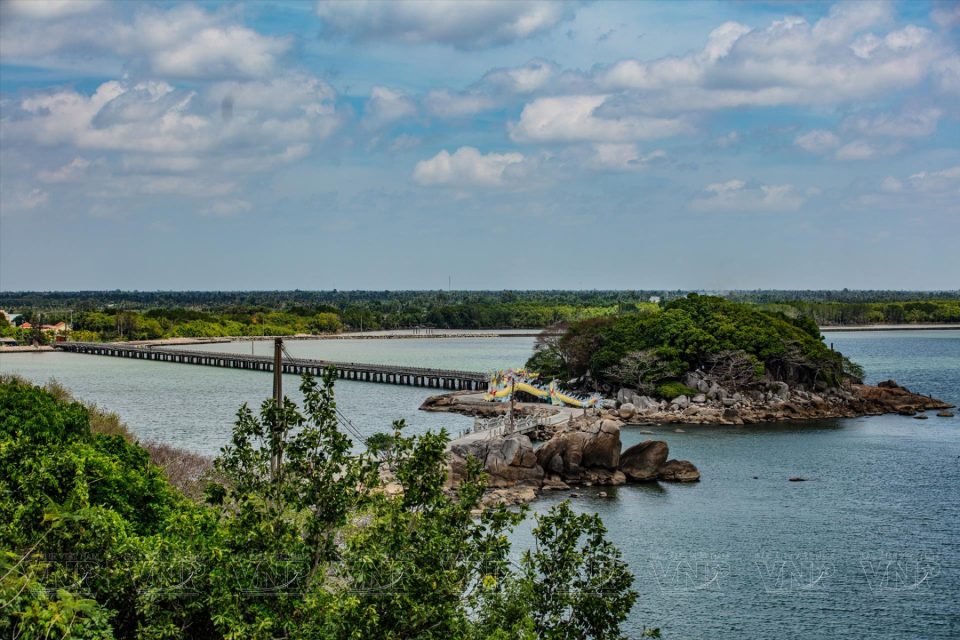 Ca Mau
Hon Da Bac in Ca Mau: a practical guide to the coastal sanctuary at the southern tip
Located in Khánh Bình Tây commune, in Trần Văn Thời district, the island complex of Hòn Đá Bạc rises off the western coast of… View the experience