


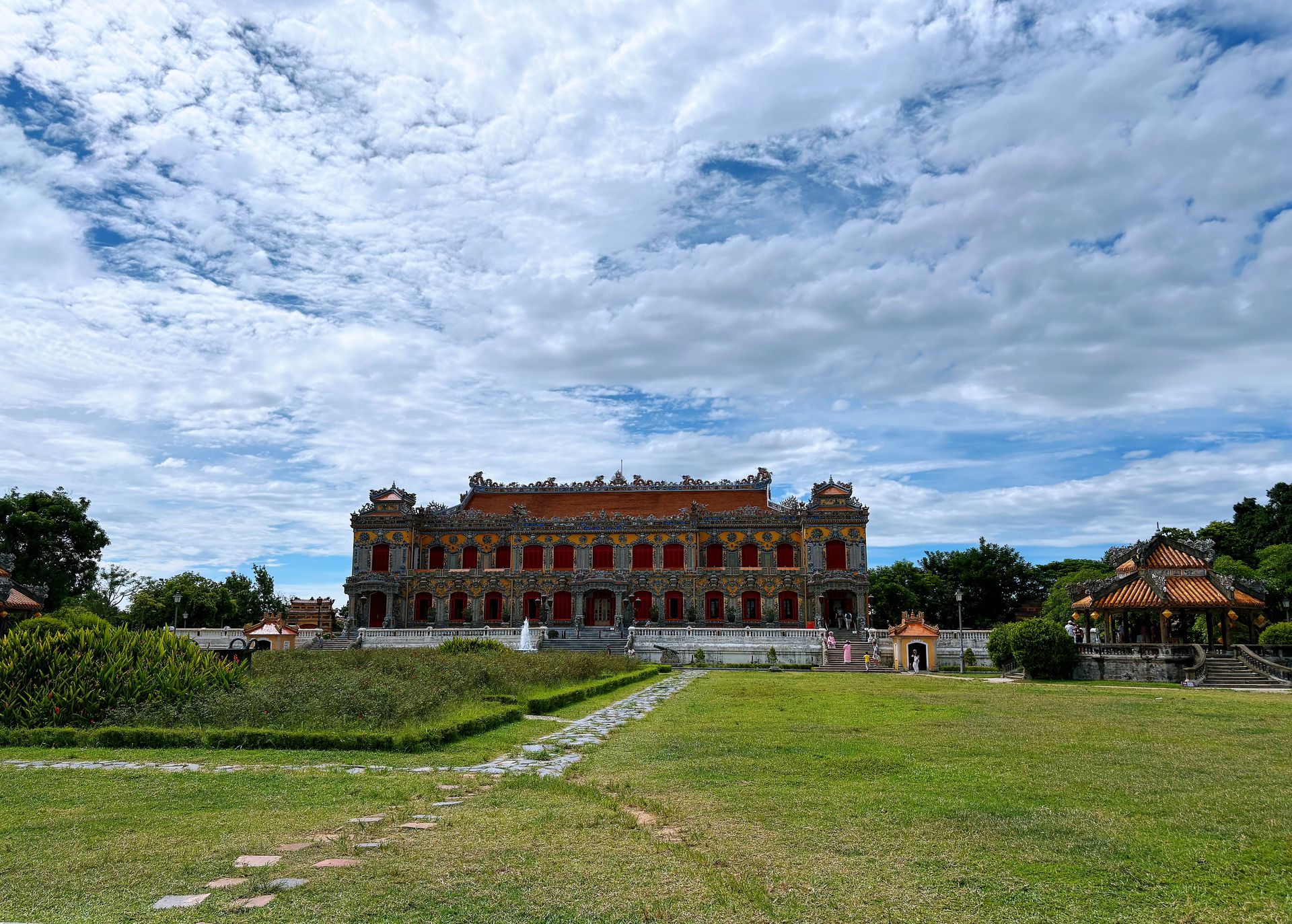
Hue
Hue
- Region
- Centre
- Province
- Hue
- Nearest airport and station
- Phu Bai International Airport (Hue) About 14 km; Da Nang Railway Station
- Best month
- February – may
- Recommended stay
- 2 to 3 days
- UNESCO heritage
- Complex of Hue Monuments Inscribed in 1993

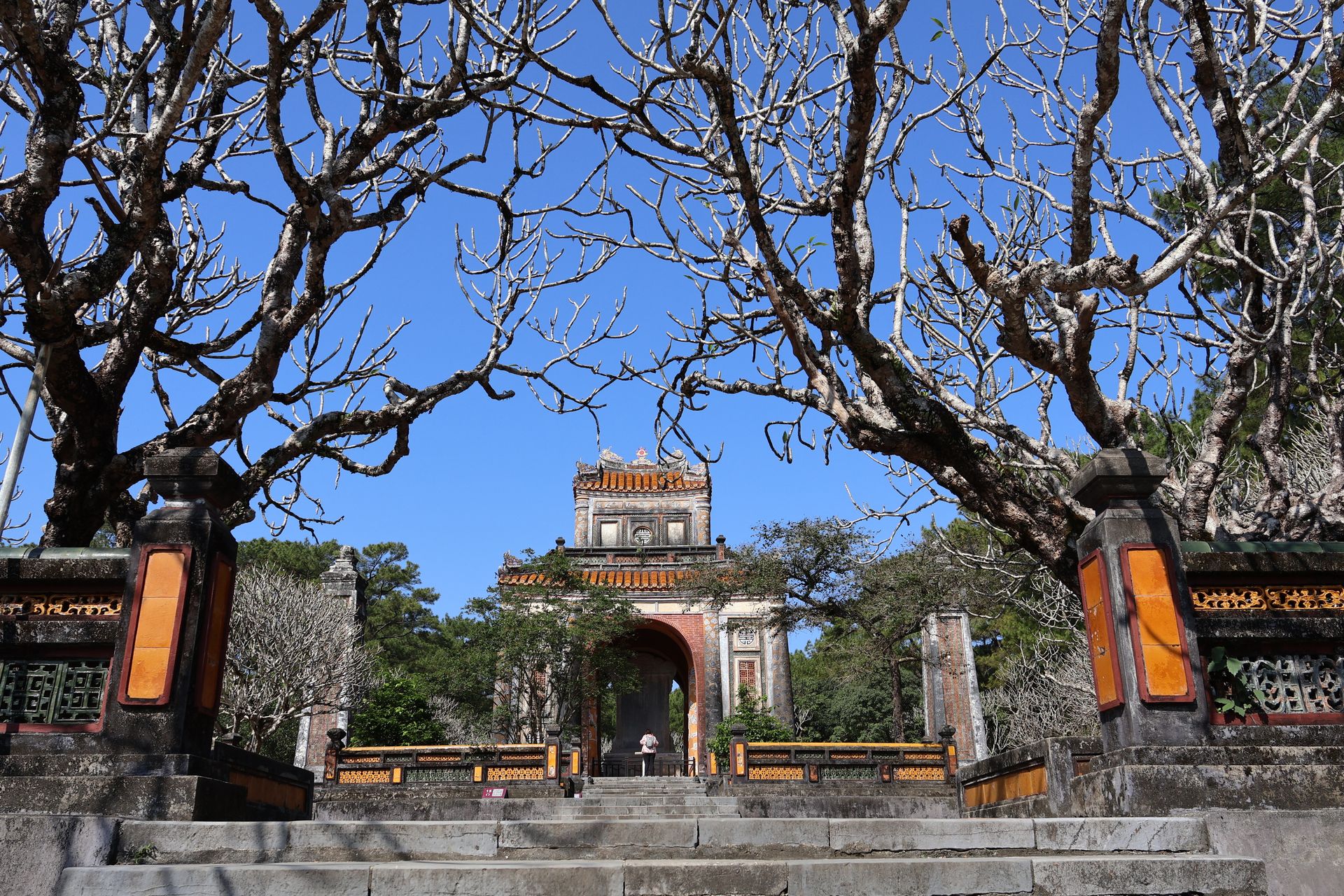
Hue changes colour with the seasons
- Ideal
- February – may
- Possible
- June – september
- Best avoided
- October – november
- Possible
- December – january
Itineraries passing through Hue
Itineraries that stop in Hue, focusing on a single region or crossing all three.
-
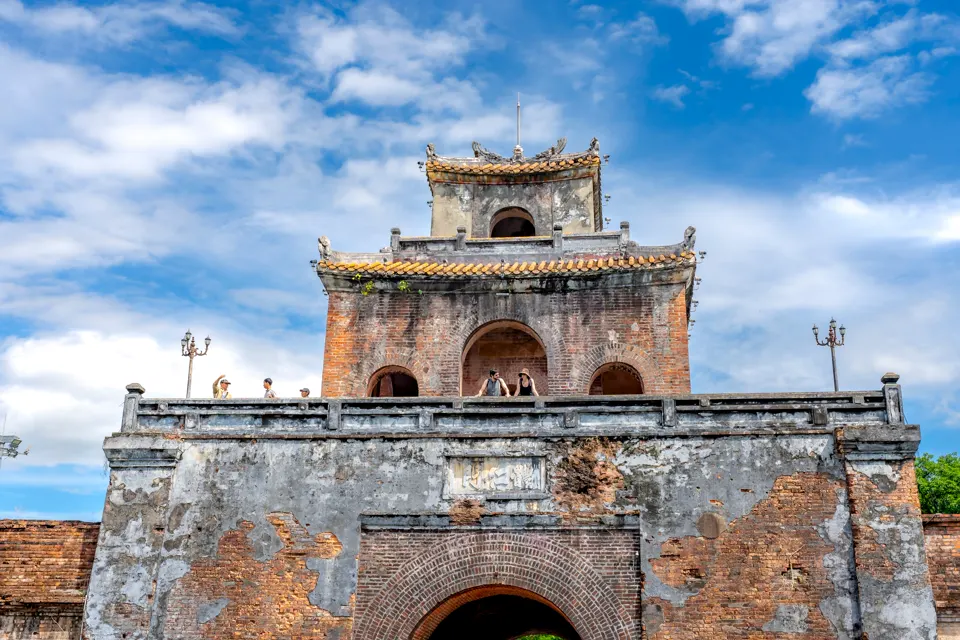 10 days
The Centre and its heritage: Hue – Hoi An
The citadel on the banks of the Perfume River and the old town lit up with lanterns every evening. View details → -
 15 days
The great classic from north to south
The great classic from north to south in 15 days, via Hanoi, Ha Long Bay, Ninh Binh, Phong Nha, Hue, Hoi An, Ho Chi Minh City and Can Tho: day-by-day programme, route map, best season, budget and travel agencies able to organise it. View details → -
 30 days
Vietnam in retirement
A gentle itinerary, with enough rest to savour each region. View details → -
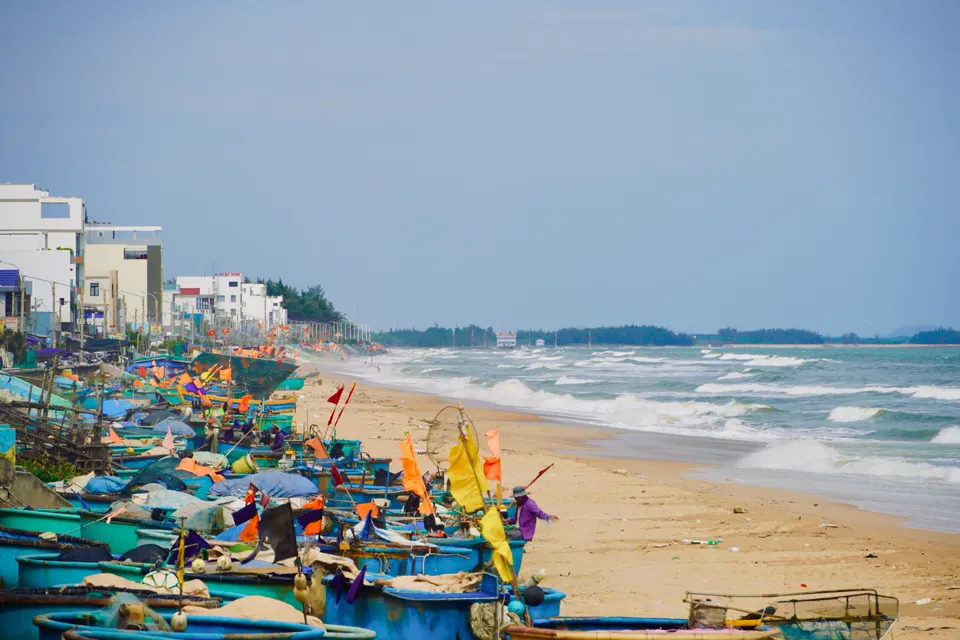 30 days
The whole country, at an unhurried pace
A slow journey through the three regions, with time to linger in each place. View details →
Accommodation and services
-
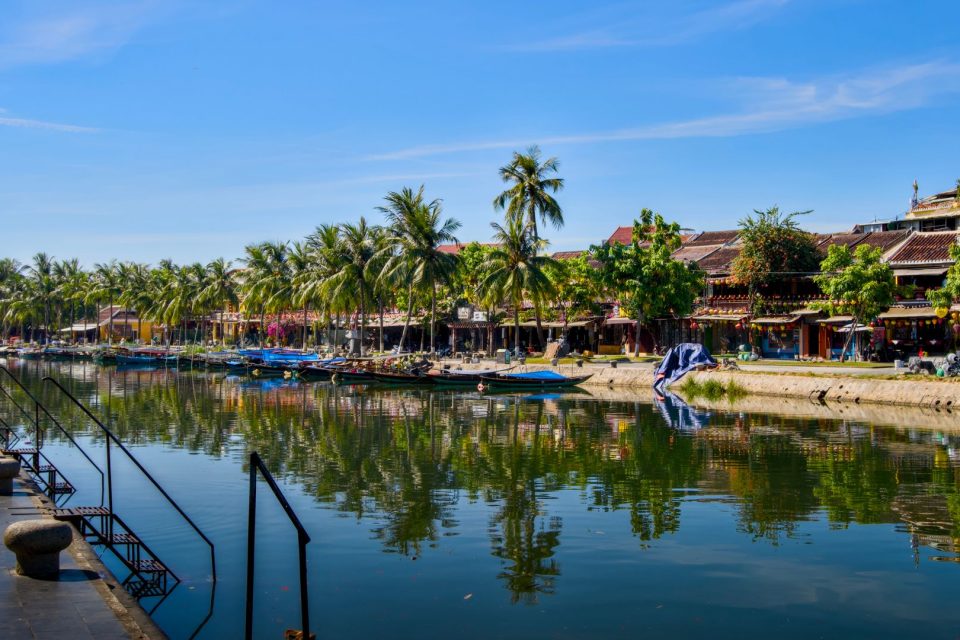
 AccommodationHoi An
Hội An Riverside Lodge
32 rooms on the banks of the Thu Bon River, ten minutes' walk from the old town. View the business profile
-
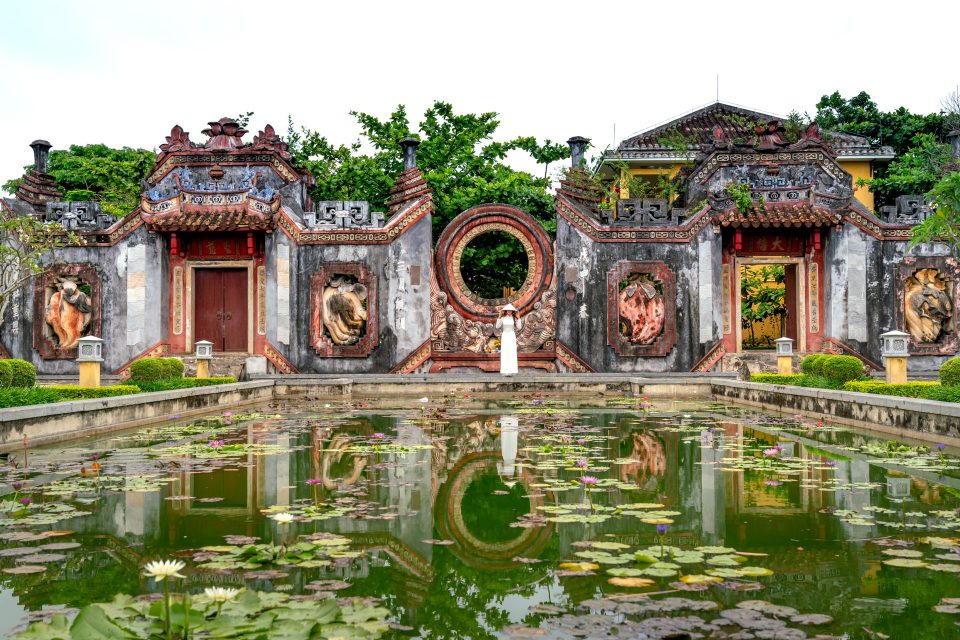
 Local agencies – DMCWhole country
Lotus d’Asie Voyages
Tailor-made trips for European travellers, with guides in all three regions. View the business profile

Nearby destinations
-
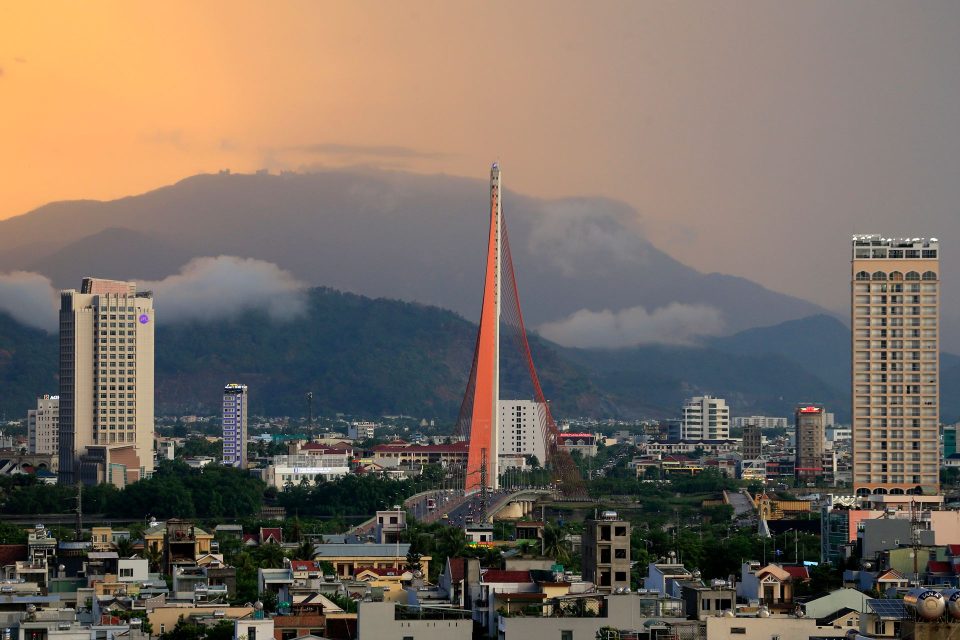
Da Nang
A young, lively seaside city, the Dragon Bridge and the Son Tra Peninsula View the destination → -

My Son
The ancient Cham sanctuary nestled in a lush green valley View the destination → -
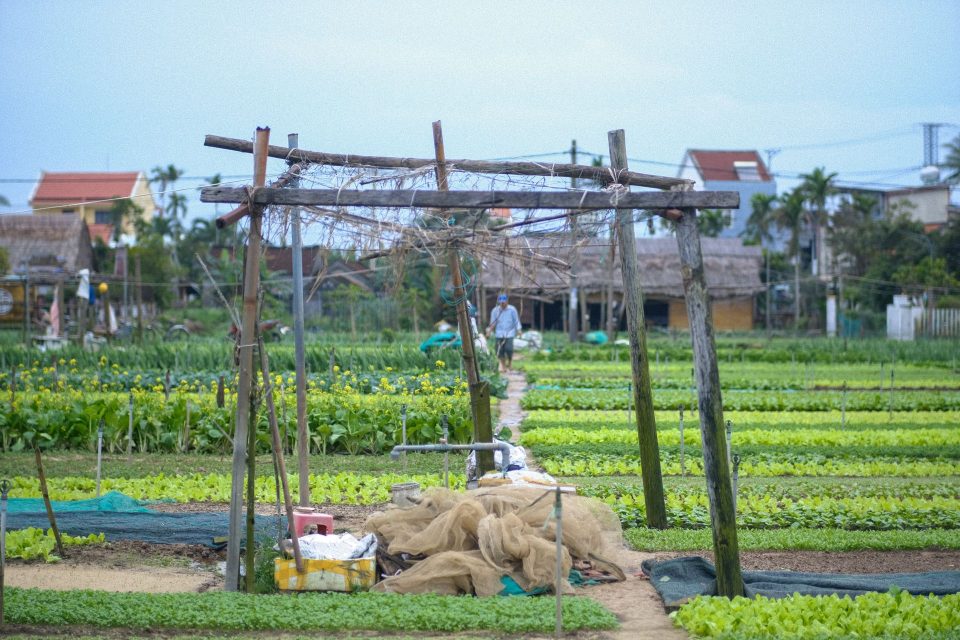
Tra Que Vegetable Village
A market-gardening village on the edge of the Tra Que lagoon, where the soil is still fertilised with seaweed and aromatic herbs are grown the traditional way for the whole of Hoi An. View the destination → -
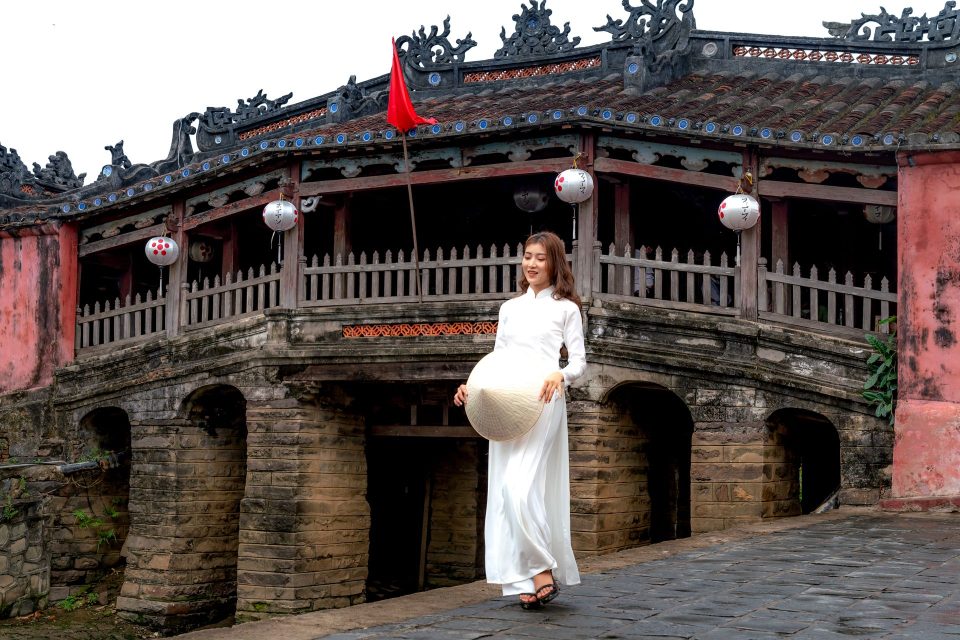
Japanese Covered Bridge
A 17th-century tile-roofed wooden bridge linking the Japanese quarter to the Chinese quarter, the emblem of the old town. View the destination →